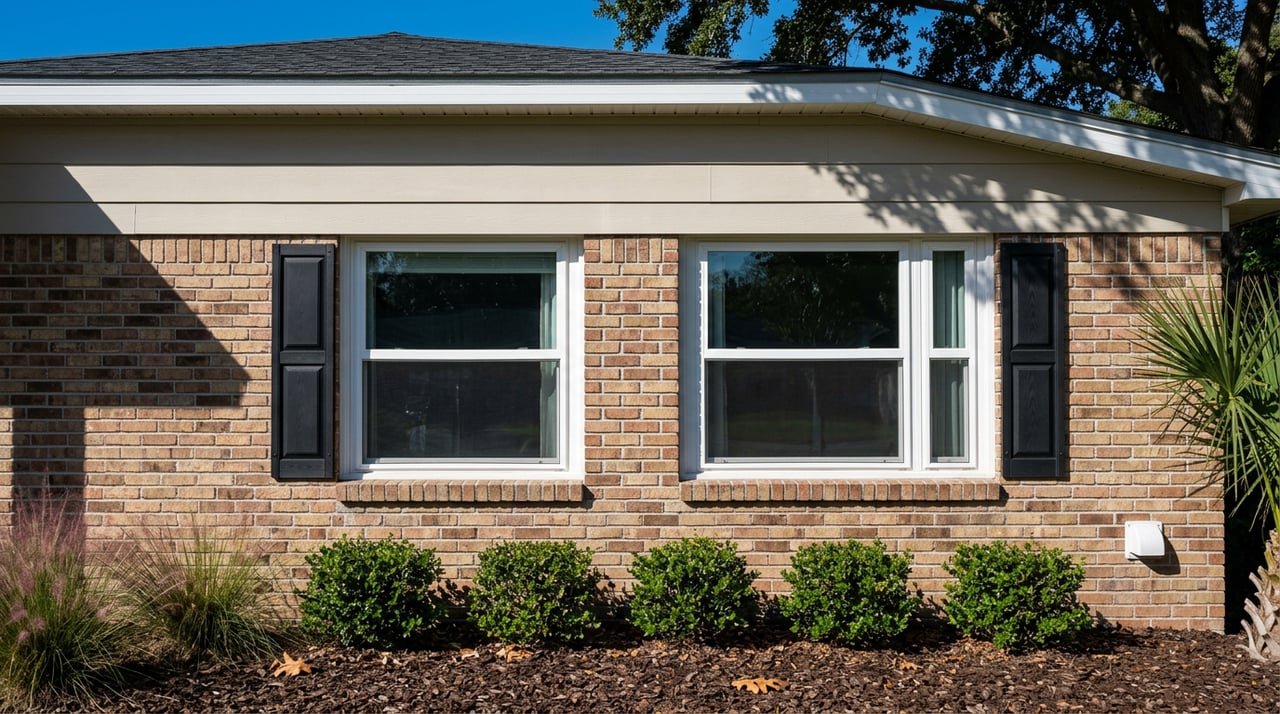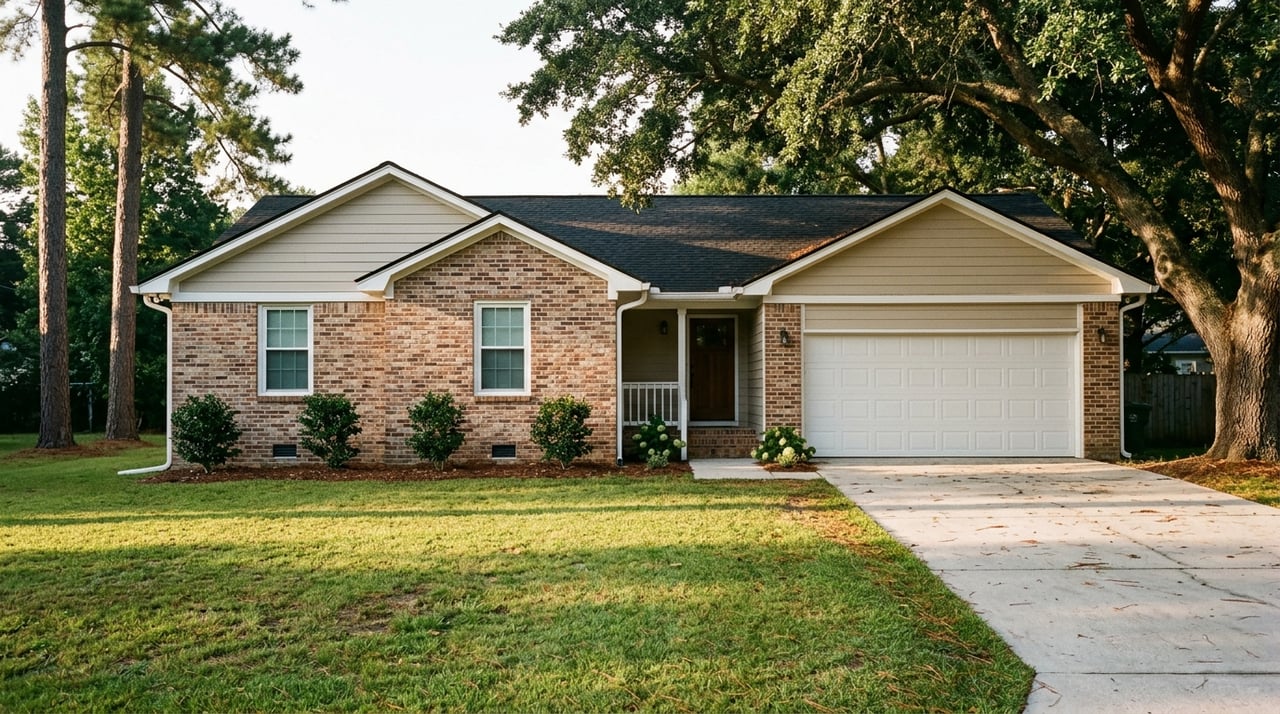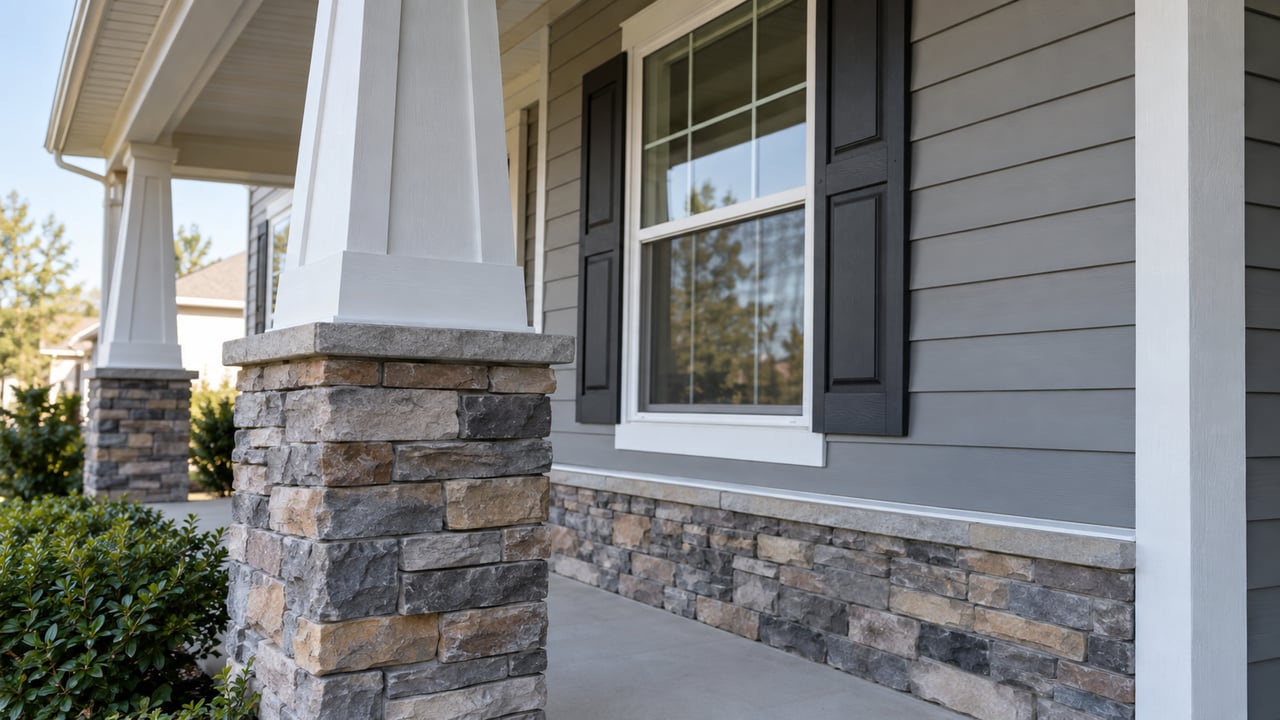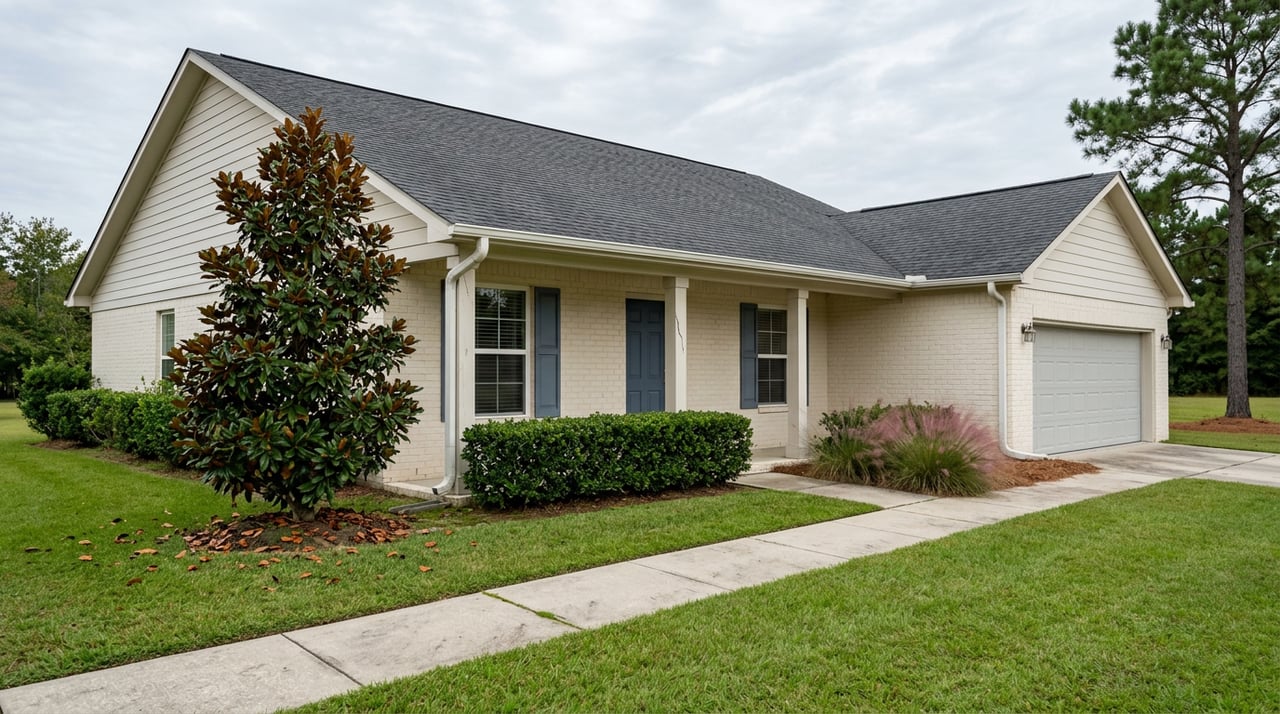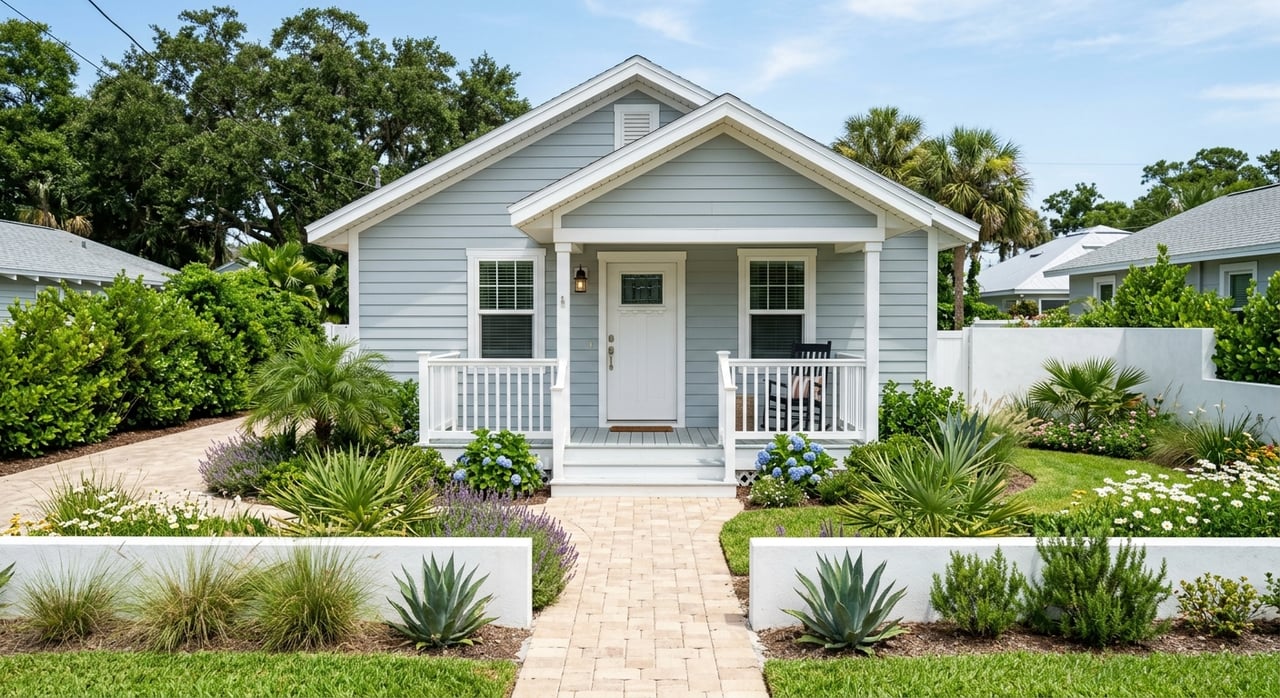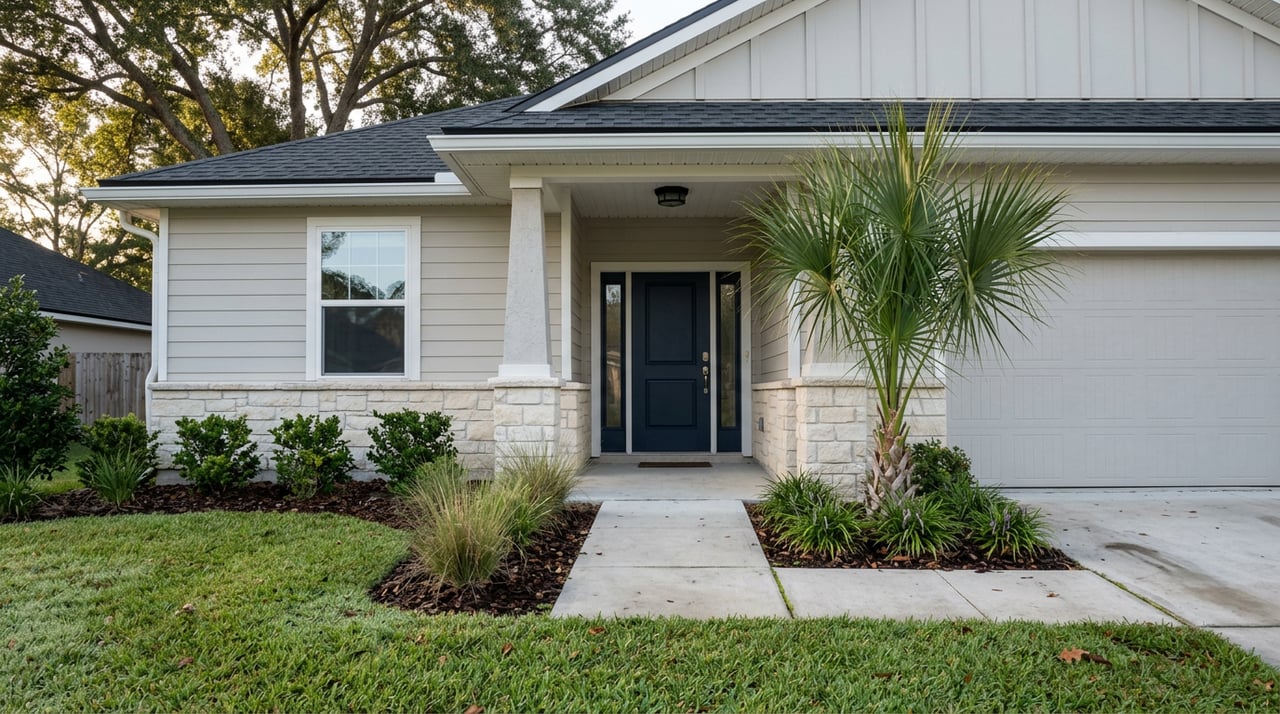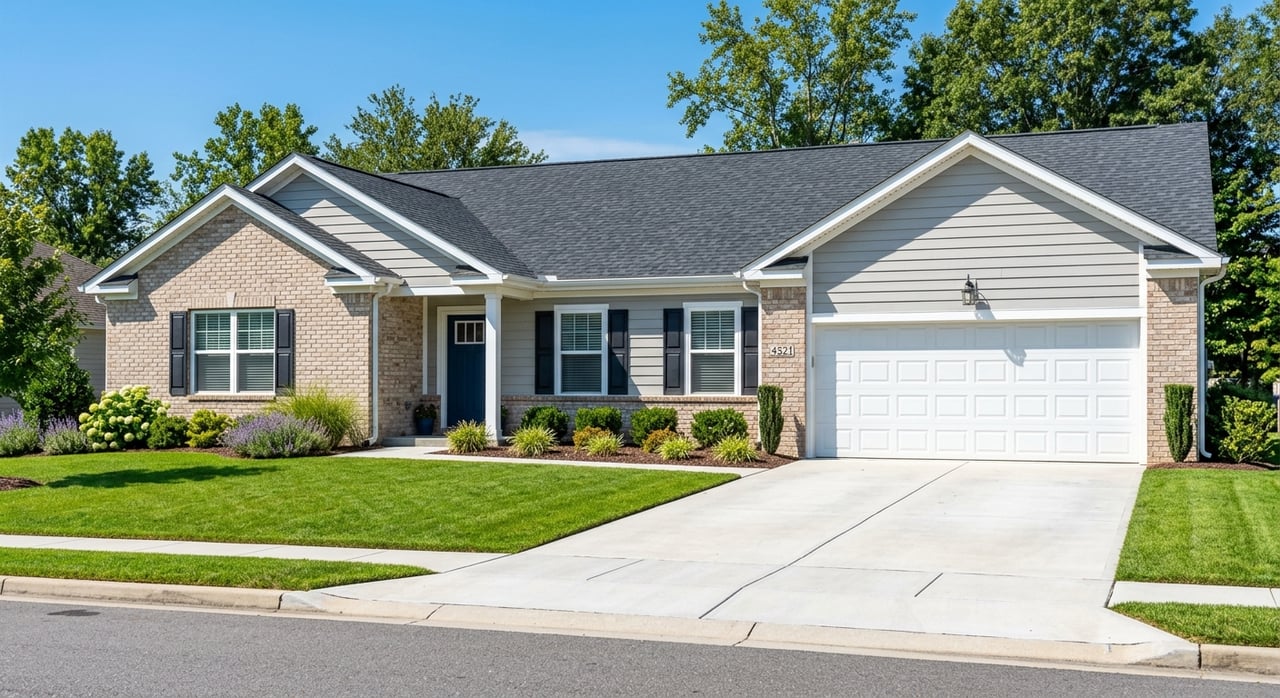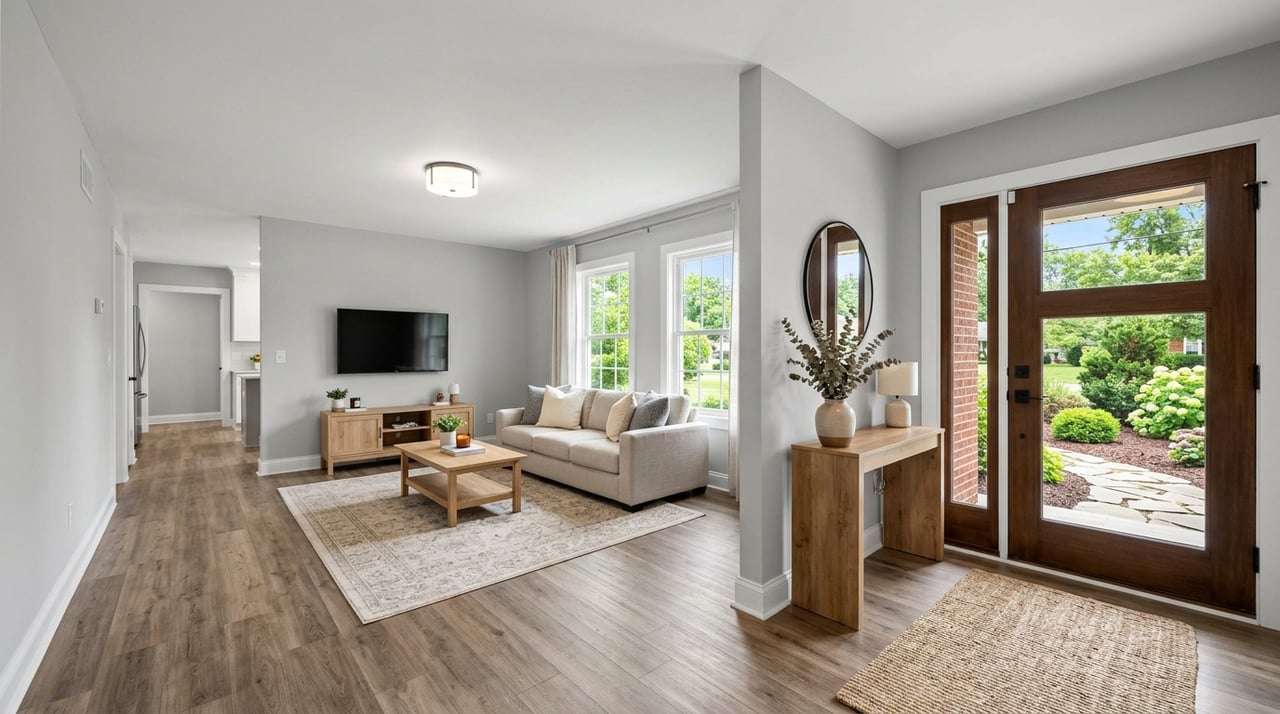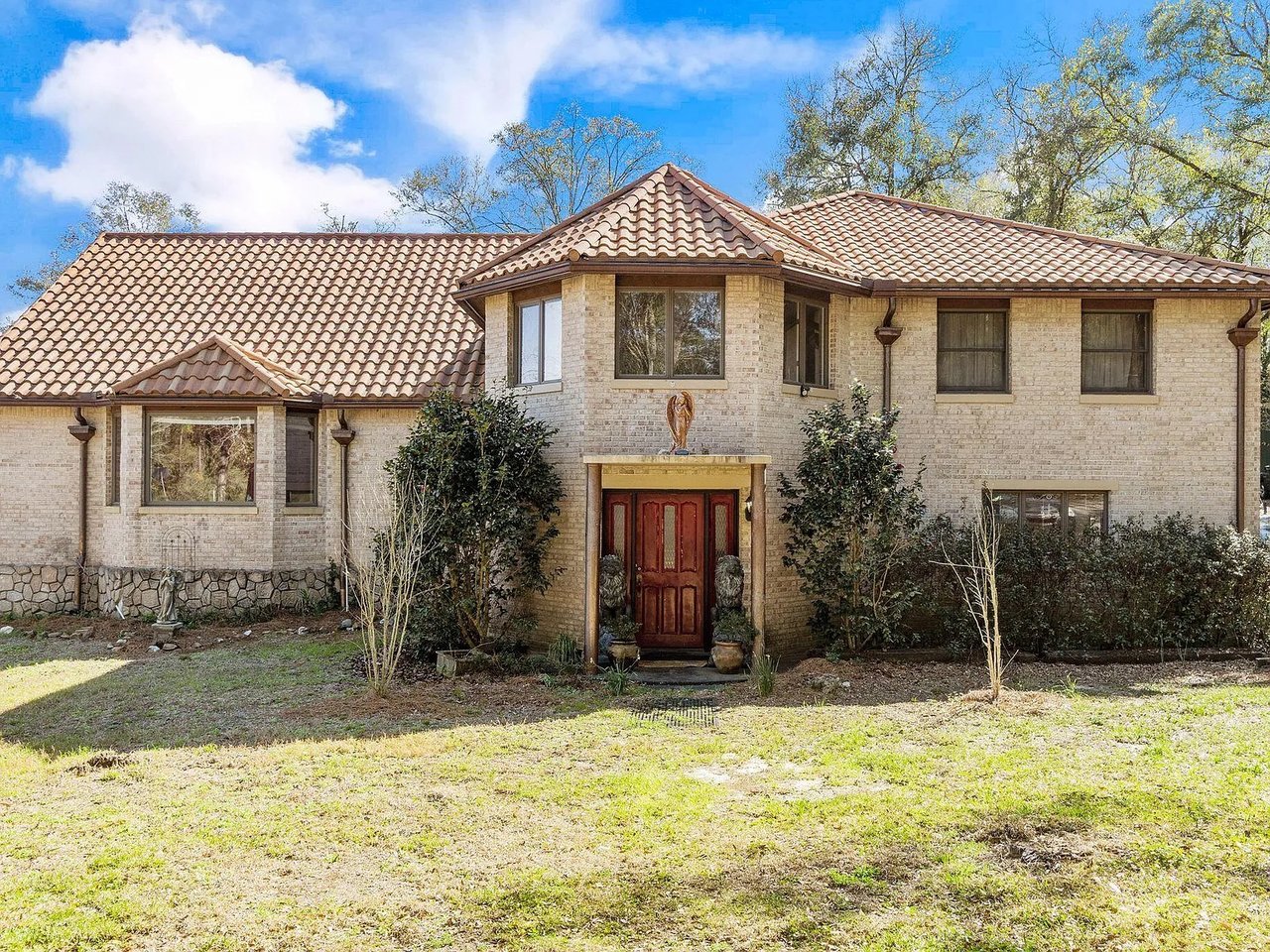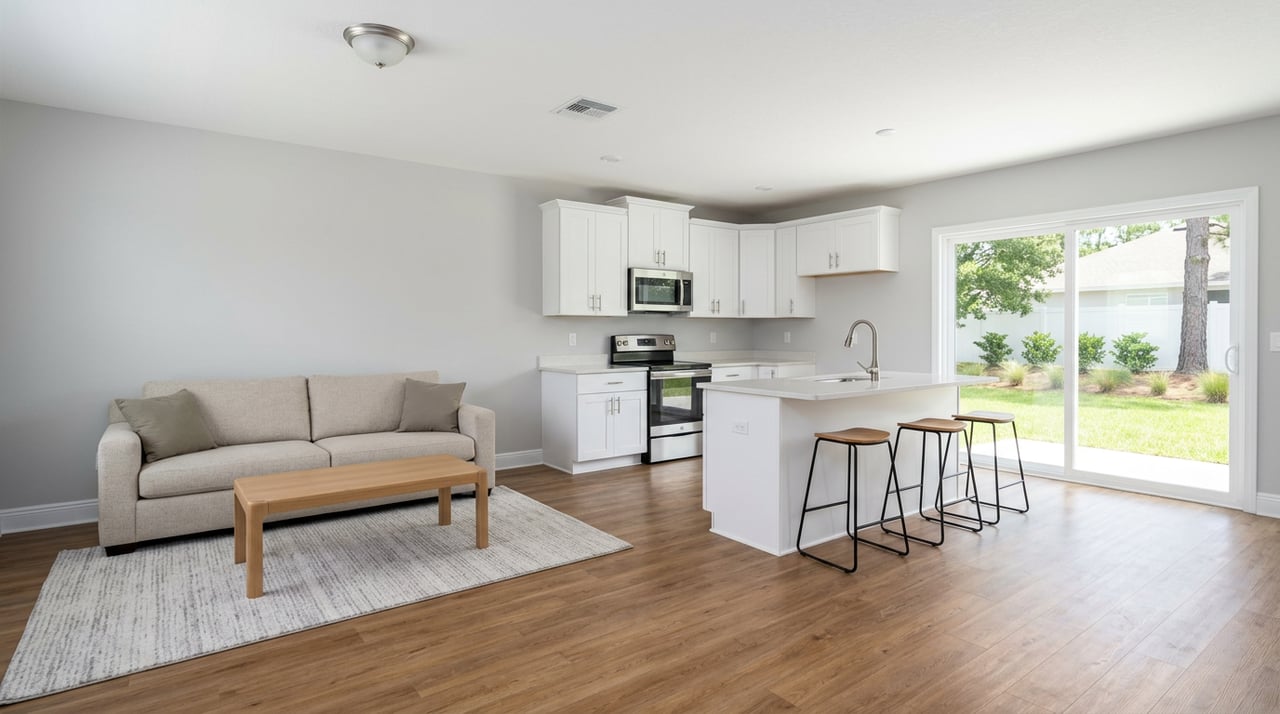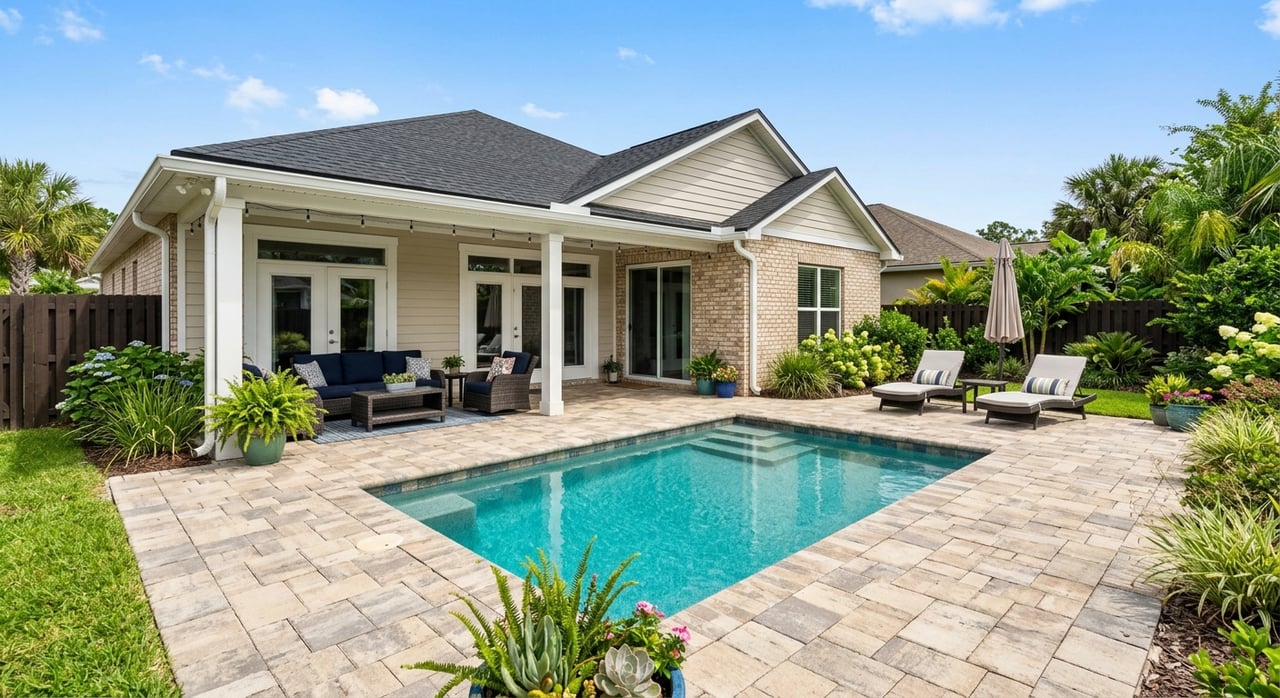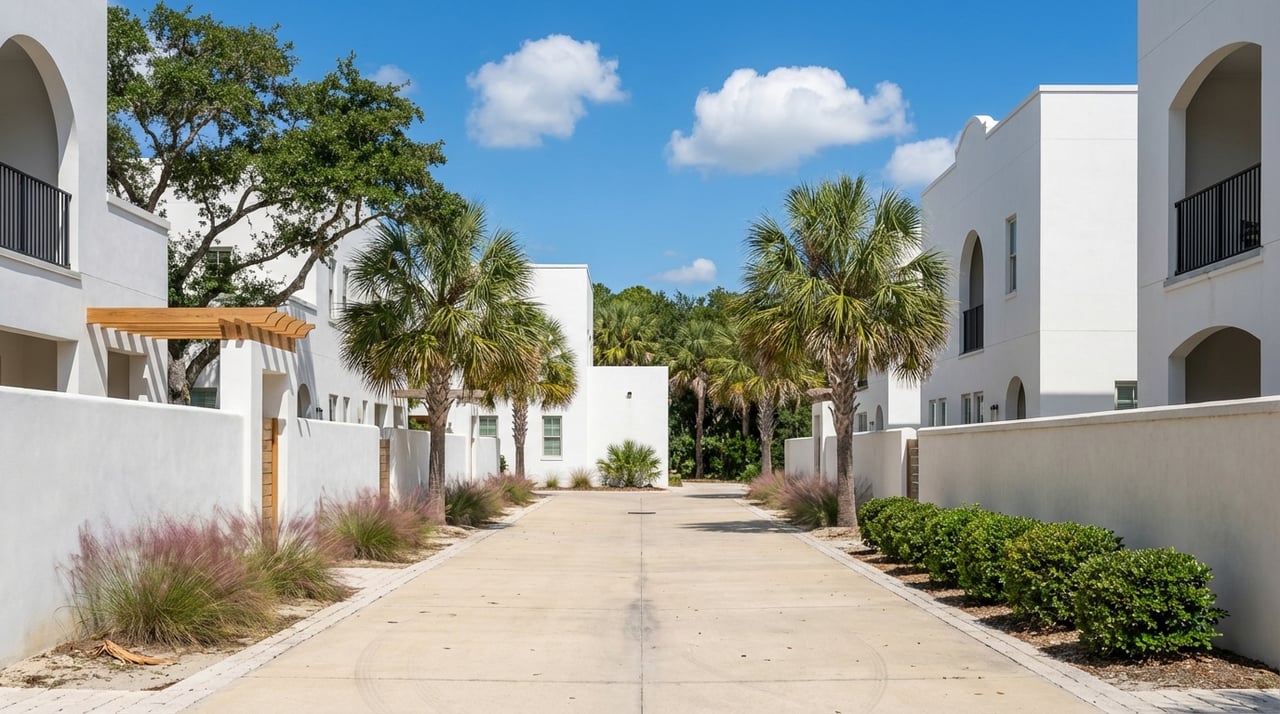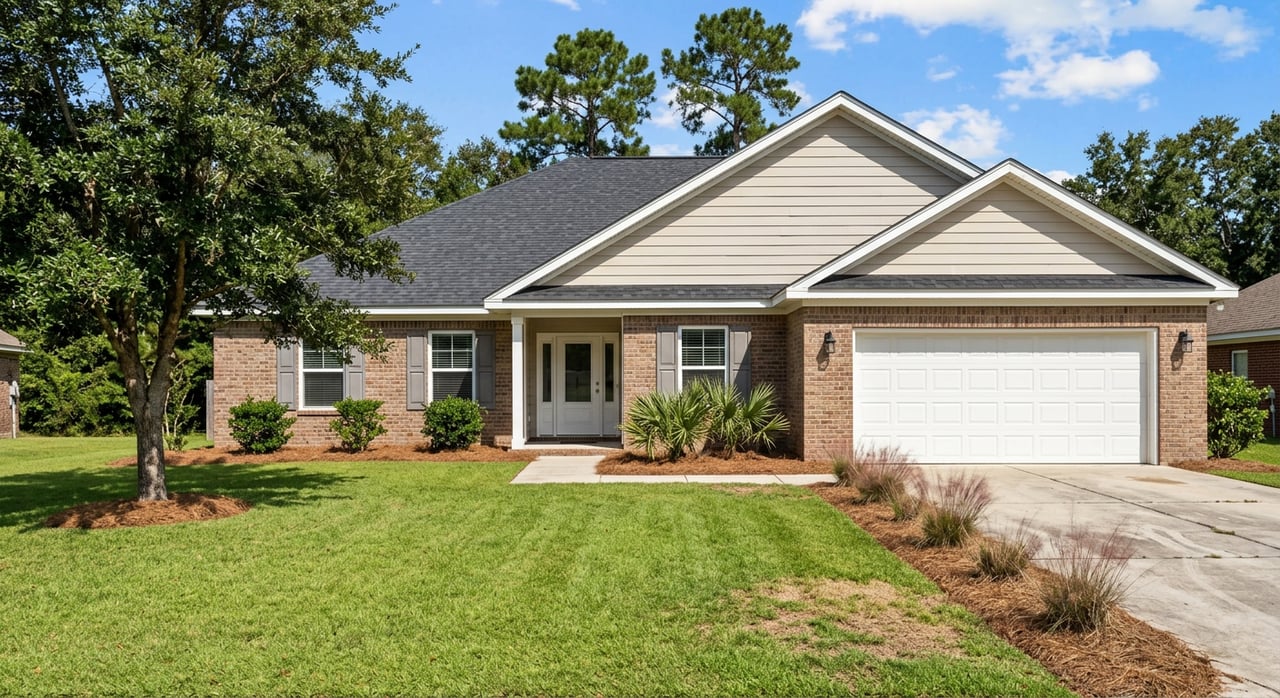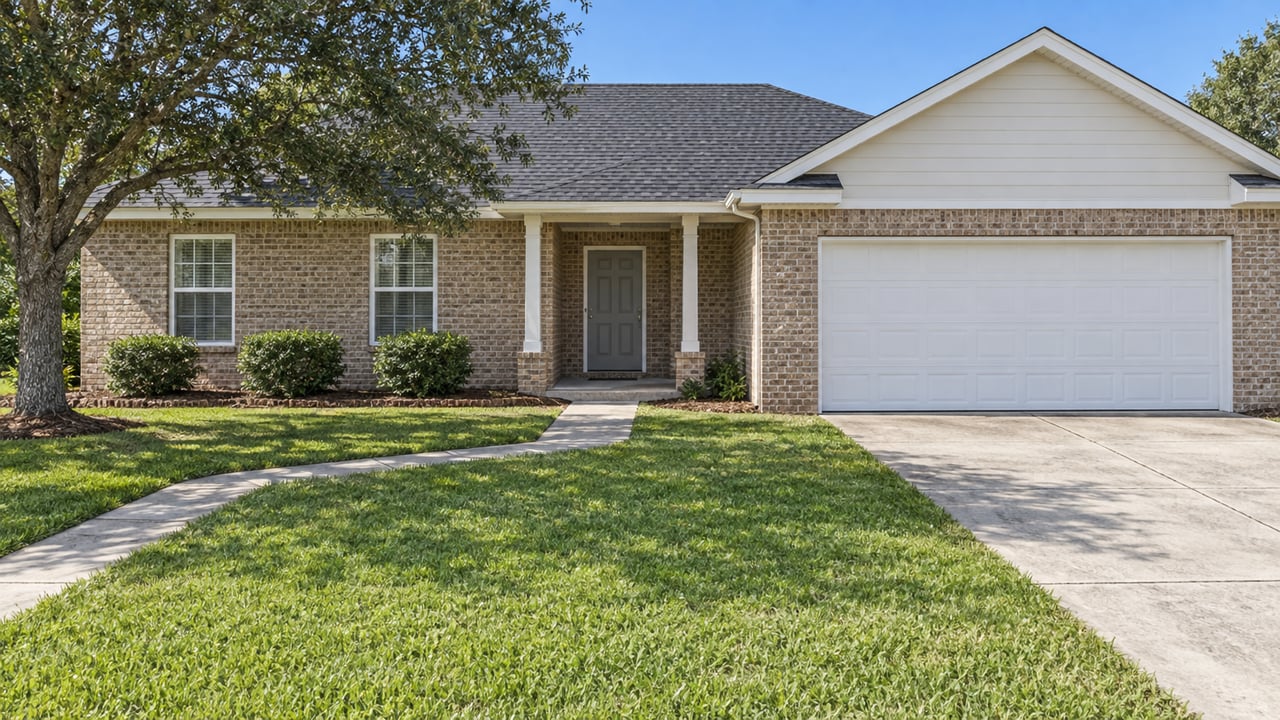
A $20,000 builder credit on a Crestview home isn't worth $20,000 to every buyer. Take an Ashton View home listed at $309,200. Under standard program rules, an FHA buyer can apply up to $18,552 of that credit. A conventional buyer putting less than 10% down can apply up to $9,276. A VA buyer may be able to use all of it if it goes toward closing costs and discount points. That's one house with one sign out front and three different net prices. This fall, while rates are climbing and builders are competing on incentives, the gap between those numbers matters more than the headline.
What's being offered in Crestview right now
These offers were showing on builder websites in early October 2026. They're live inventory, so they can change week to week.
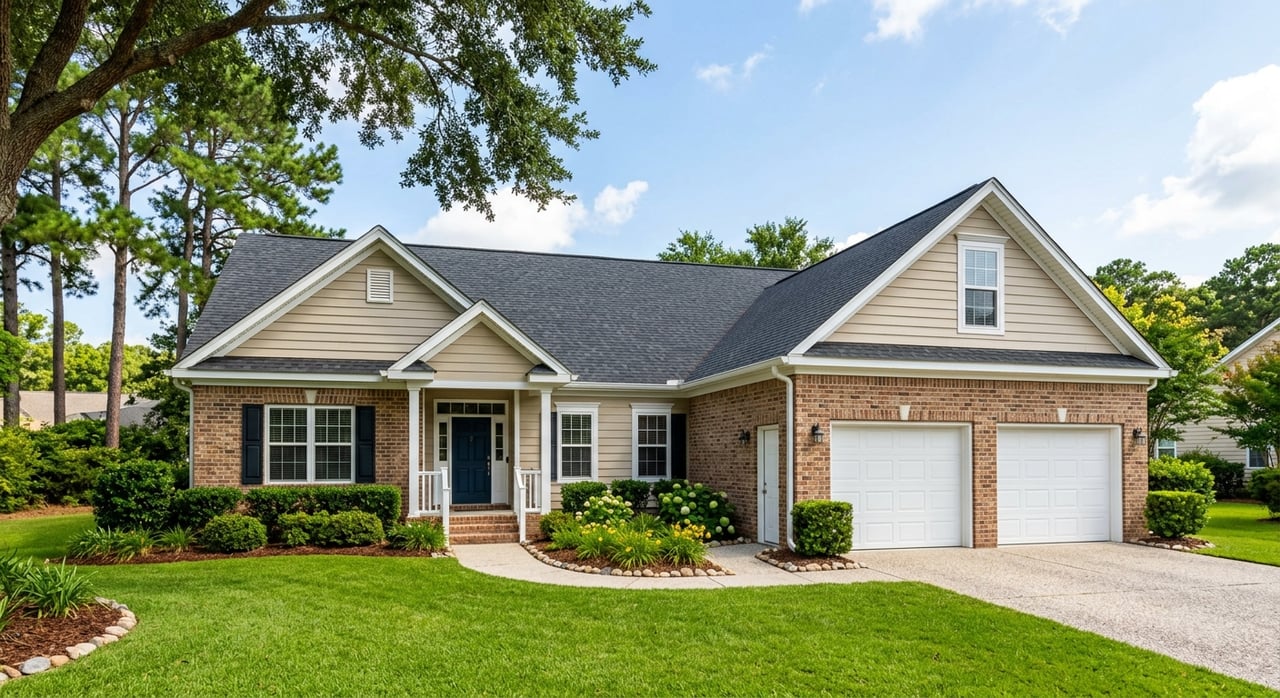
- Adams Homes, Ashton View in northeast Crestview: $20,000 Flex Cash on three move-in-ready homes listed at $309,200, $315,204 and $319,937.
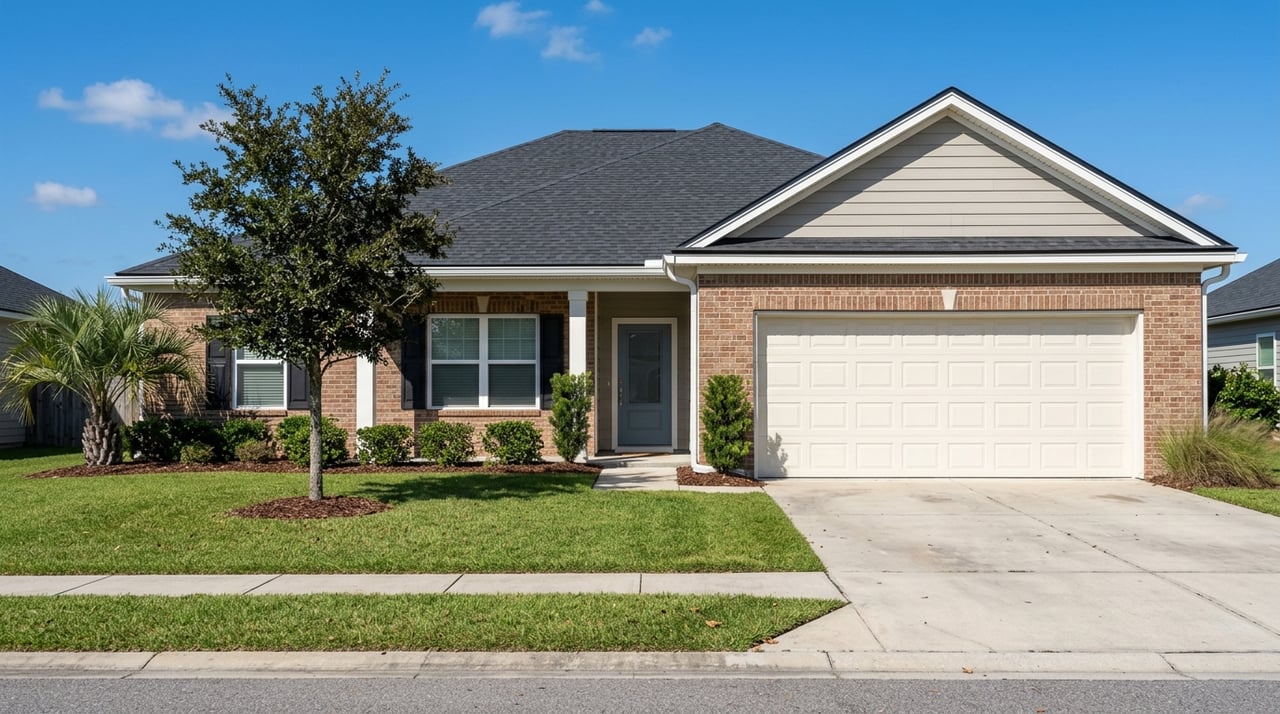
- Adams Homes, Brookwood in north Crestview: $20,000 Flex Cash on move-in-ready homes at about $357,907 to $360,307, and "up to $15K Flex Cash" on homes still under construction.
- D.R. Horton, Patriot Ridge, just south of I-10 off Commander Road: a $7,000 price cut on 4722 Marine Loop, now listed at $364,900, down from $371,900.
- D.R. Horton, Garden Villa Townhomes: ten townhomes listed at $249,900 to $269,900, with no specific incentive posted on the page I reviewed.
When I checked in early October, D.R. Horton's Crestview pages also showed a countdown to a "Red Tag" event, with no rate or credit terms posted yet.
Adams Homes' public pages don't say what Flex Cash can be applied to. They also don't say whether you have to use a particular lender to get it. The company says it works with lenders at arm's length, doesn't own any part of them, and leaves buyers free to choose their own lender. The actual terms will be in the incentive addendum you sign, and that document is the one that counts.
The same credit, run through each loan program
Every major loan program limits how much a seller or builder can contribute toward the buyer's side of the deal. Those limits are percentages of the price, so the dollar ceiling moves with the house. Here's how the caps work out on two real Crestview prices from this month.
| Loan type and down payment | Cap on builder or seller help | Ashton View at $309,200 | Brookwood at $360,307 |
|---|---|---|---|
| FHA | 6% of sales price | $18,552 | $21,618 |
| USDA | 6% of sales price | $18,552 | $21,618 |
| Conventional, more than 90% LTV | 3% | $9,276 | $10,809 |
| Conventional, over 75% to 90% LTV | 6% | $18,552 | $21,618 |
| Conventional, 75% LTV or less | 9% | $27,828 | $32,428 |
| VA | Closing-cost credits uncapped; concessions capped at 4% of reasonable value | Depends on how the credit is used | Depends on how the credit is used |
The FHA figure is HUD's 6% limit on interested-party contributions. The conventional tiers come from Freddie Mac's guide, effective July 1, 2026. That guide also caps investment properties at 2%. The USDA limit is 6% of the sales price, from the agency's loan-purposes guidance.
At Ashton View, the $20,000 offer is more than an FHA or USDA buyer can apply. It's also more than double what a low-down-payment conventional buyer can use. At Brookwood's higher prices, the same $20,000 fits under the 6% ceilings. The "up to $15K" offer on homes still being built shows how tight this gets. On a Brookwood home listed at $368,433, the 3% conventional ceiling is about $11,053.
Every row also has a second limit. The credit can only pay costs you actually owe. A cap of $18,552 doesn't help if your eligible closing costs come to less than that.
Why VA buyers start from a different position
For the military households that make up much of Crestview's buyer pool, the VA rule is the one worth reading word for word. In its guidance updated September 22, 2026, the VA says: "We don't limit credits for a loan's closing costs, but we do limit seller's concessions to no more than 4% of your home's reasonable value."
What matters most is which bucket each item falls into. The VA lists loan discount points and funds for temporary buydowns as closing costs, alongside the origination fee, appraisal, title insurance and recording fees. The items it counts as concessions are credits toward the VA Funding Fee, paying off the buyer's debts, and prepaying the buyer's hazard insurance.
In practice, a VA buyer at Ashton View who puts builder cash toward points and standard closing costs isn't held to a percentage cap on that portion. If the VA's reasonable value matches the $309,200 price, any concession items share a 4% ceiling of $12,368. An FHA buyer on the same house is held to $18,552 in total, and HUD counts permanent and temporary buydowns inside that 6%. Two buyers can tour the same model home on the same afternoon and still end up with different net prices.
Credit you can't use doesn't come back to you as cash
Each program has a rule for what happens to builder money that goes past the cap or past your real costs, and none of them pays it out to the buyer.
FHA treats contributions above 6% as inducements, and those reduce the Adjusted Value the loan is based on. USDA's origination FAQ, revised May 2026, says excess seller-paid costs can go toward principal or back to the seller, but they can't be paid to the applicant in cash. Freddie Mac limits financing concessions to closing costs and up to 12 months of HOA dues. It treats anything beyond that as a sales concession, which affects LTV.
So when a builder offers more than your loan allows, ask a direct question. Can the unused amount go toward price instead? If so, how is that written into the contract? The answer can be worth more than the headline offer.
Rising rates make the buydown dollars matter more
Freddie Mac's weekly survey put the 30-year fixed rate at 7.28% as of October 1, 2026. That's up from 7.03% the week before and 6.34% a year earlier. When rates jump nearly a quarter point in a week, builder cash spent on discount points or a temporary buydown does more for your monthly payment than the same cash did last fall.
That's also when the program rules matter most. Points and buydowns are exactly what a rate-sensitive buyer wants to spend builder money on. The VA puts them in its uncapped closing-cost category. FHA puts them inside its 6% ceiling, and a conventional buyer with a small down payment has only 3% to work with. Rising rates widen the gap between what a builder advertises and what each buyer can actually use.
What this means for resale sellers listing nearby
If you're selling an existing home in north Crestview or near Patriot Ridge, your buyers will be comparing your price against a builder's price minus whatever credit they can actually use. They won't be comparing against the sticker price. For a VA buyer, that can mean the full advertised credit. For a conventional buyer putting 5% down on a $309,200 home, it's capped at $9,276.
The regional numbers don't show builders pulling resale prices down. In August 2026, the two-county Crestview–Fort Walton Beach–Destin metro area had 592 single-family closings, up 4.0% from a year earlier. The median sale price was $435,000, up 4.6%, and the year-to-date median was $449,900, according to Florida Realtors. That metro figure includes Okaloosa and Walton counties, coastal Destin among them, and it sits above most of the Crestview new-construction prices listed here. The practical takeaway is narrower. Price a nearby resale against what your most likely buyer's loan lets them net from the builder.
One more piece of that comparison doesn't show up in any incentive. The Southwest Crestview Bypass opened May 1, 2026, connecting Antioch Road, SR 85 and US 90. FDOT's new I-10 Exit 53 interchange near Antioch Road and P.J. Adams Parkway has an estimated completion of Winter 2027, per the project page current as of September 30, 2026. The South Ferdon Boulevard widening toward Eglin is a $36 million project with $10 million from Okaloosa County, and construction is expected to start in fall 2028. Builder credit is a one-time discount. The commute from a given address is something you'll drive every day.
What to get in writing before you sign
- The incentive addendum. Find out what Flex Cash or any other credit can be applied to: closing costs, points, a temporary buydown, prepaids, or price.
- Lender conditions. Ask whether the credit depends on using a particular lender, and what happens to it if you bring your own.
- Your program's ceiling on this exact price. Have your lender run the cap and your actual eligible costs before you count on the full amount.
- Where any excess goes. If the offer is more than you can use, ask whether the difference can go toward price.
- USDA eligibility by address. USDA checks eligibility one property at a time, so enter the exact address in its eligibility tool.
- Timing on new promotions. If D.R. Horton's Red Tag terms post during your search, line them up against the Adams offers using the same loan-type math.
None of this is financial or legal advice. Program rules change, and your lender's underwriting has the final word on your file.
Builder cash is one of the few prices in a new-construction deal you can actually negotiate, and the loan you choose decides how much of it you get to use. At Chris Closes, I'll put a builder's offer next to a comparable resale home and work out what each one nets for your specific loan, including VA, before you commit to either. Book a free consultation and bring the incentive sheet.