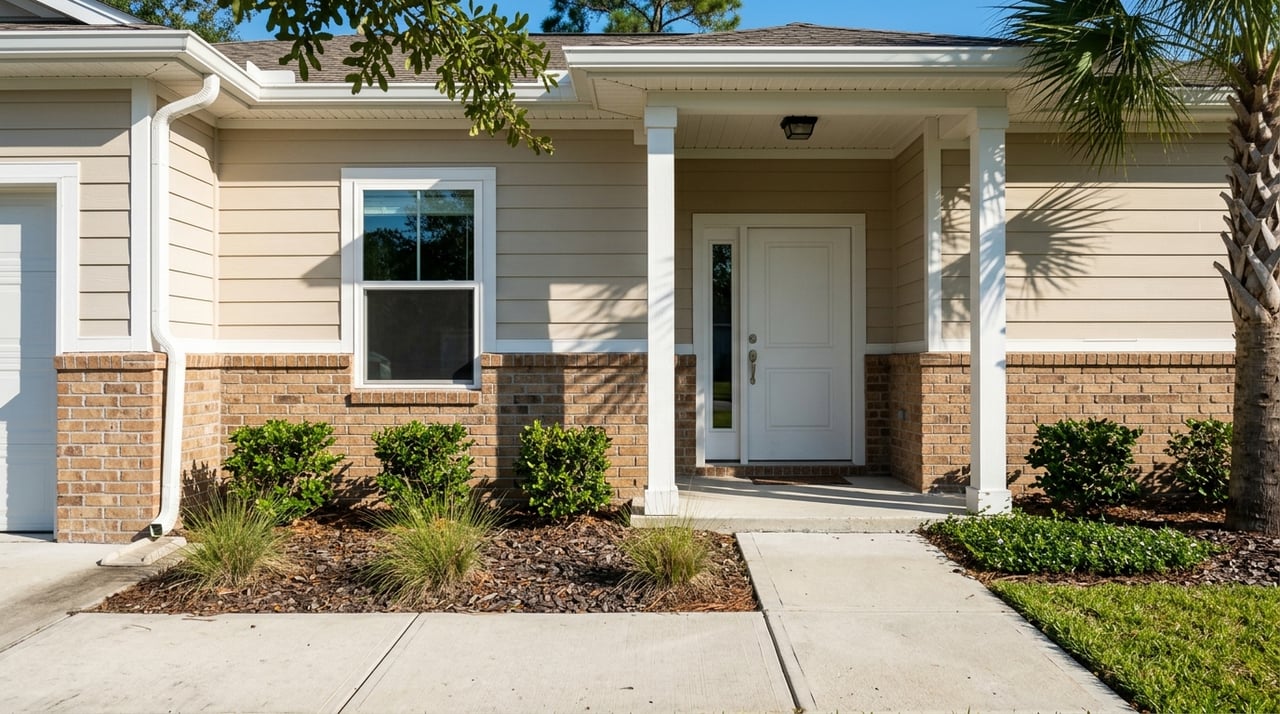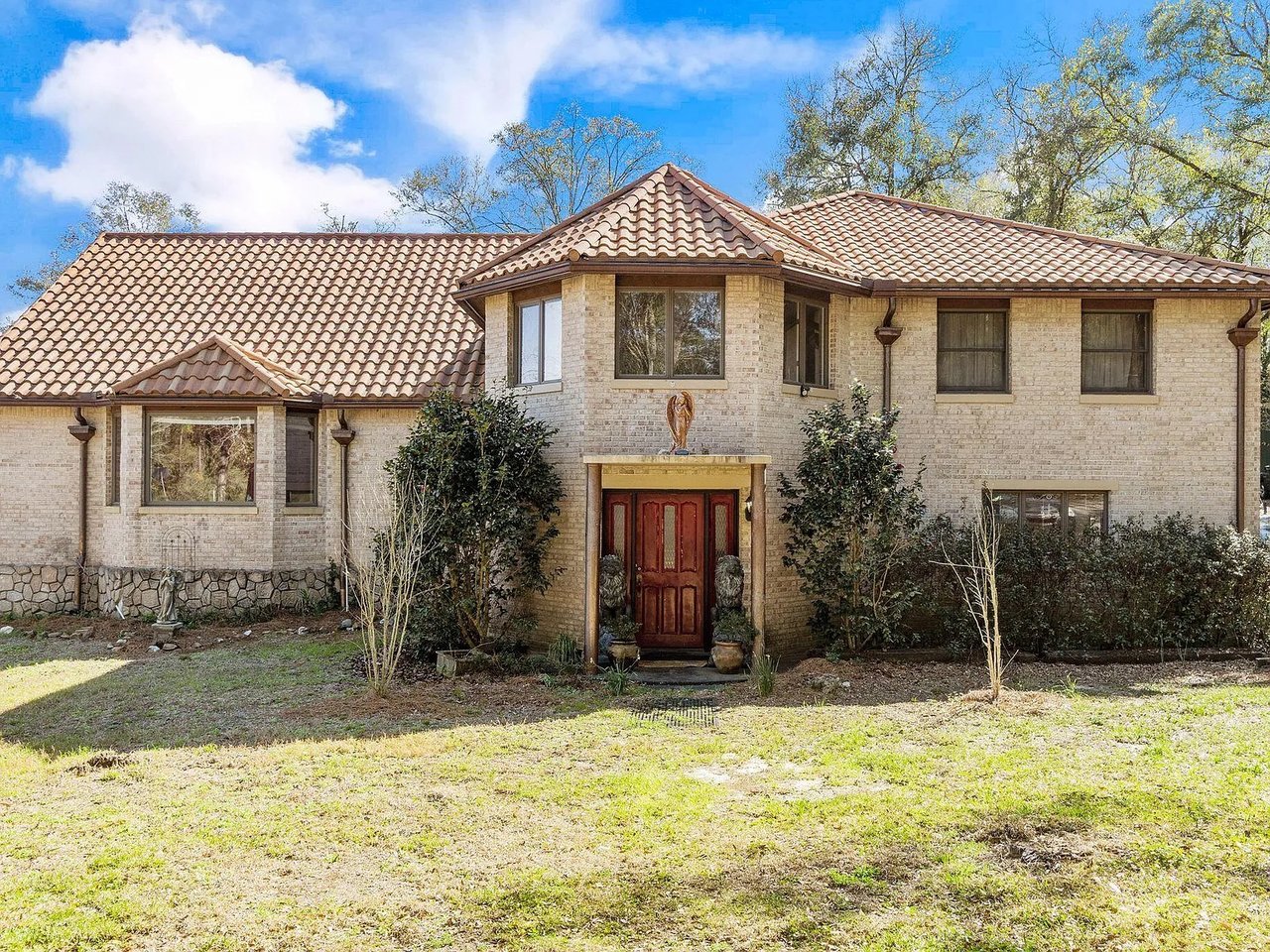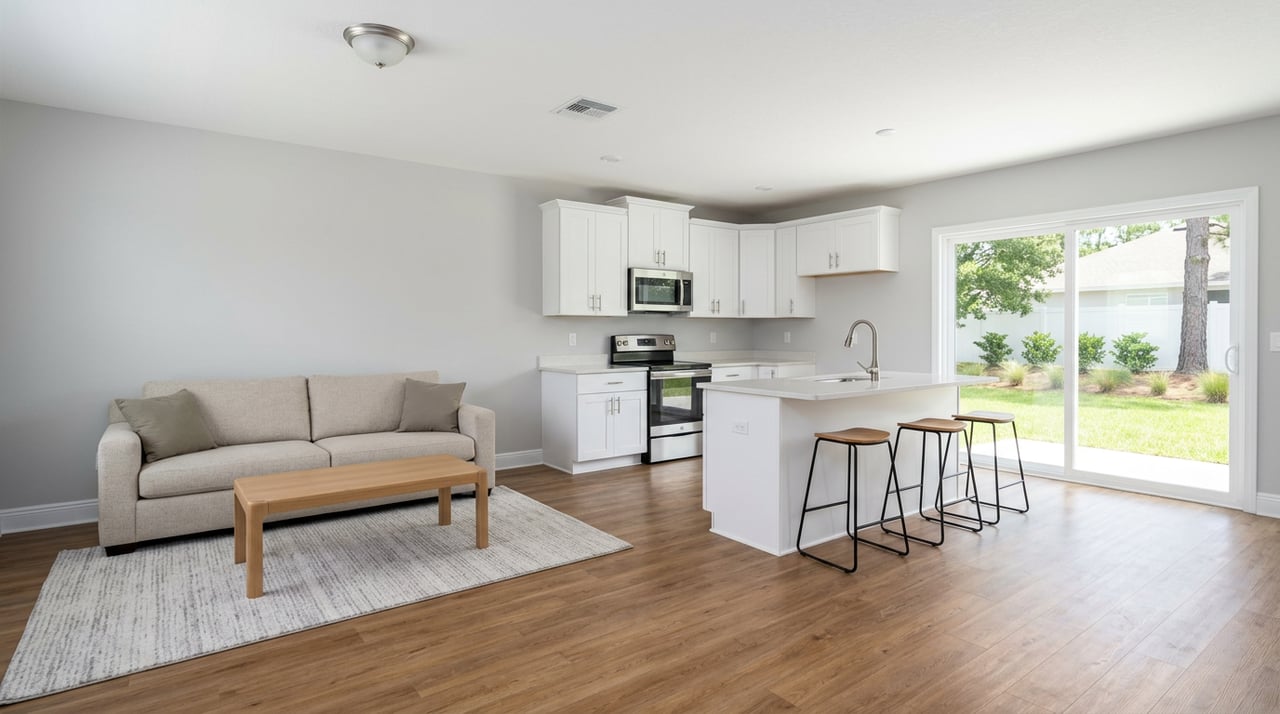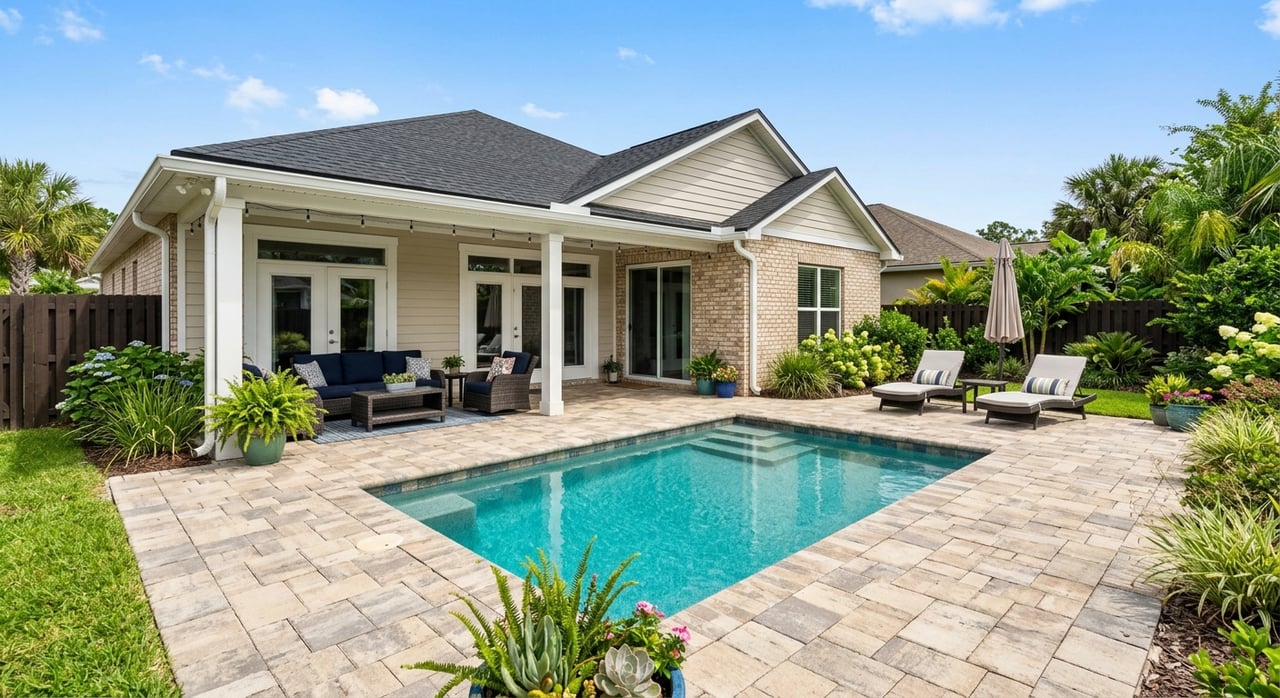
Two homes closed in Fort Walton Beach within the same recent 45-day window pulled from the Emerald Coast Association of Realtors MLS in early June 2026. One, on SE Brooks Street, closed at zero days on market. Another, on Union Street, also closed the same day it hit the market. A third, on Seahorse Avenue, took three days to close at $690,000.
Meanwhile, a home on Lee Drive has been sitting on the market for 1,193 days, still asking $275,000. Another, on NE Hollywood Boulevard, took 252 days to close at $360,000.
Same city. Same MLS area. Same general season. And a gap between the fastest and slowest sale that measures in years, not weeks.
That gap has nothing to do with the direction of the Fort Walton Beach market. It has everything to do with a decision each seller made before their sign ever went in the yard.
Why the citywide median won't help you price your house
If you've searched "Fort Walton Beach home prices" this year, you've probably landed on four different numbers. One portal puts the median around $325,648 as of mid-August 2026. Another shows an average home value of $336,111 as of late June 2026. A third reports a median sold price of $389,745 for July 2026. A fourth, pulling directly from local MLS closings over a 45-day window in early June 2026, lands at $374,000.
That's a spread of more than $60,000 across sources describing roughly the same city in roughly the same year. None of them are wrong exactly. They're built from different scopes, different lookback periods, and different data feeds, and none of them are describing the specific home you're about to list.
The disagreement itself is the useful part. It's a sign that "the Fort Walton Beach median" is not a number you can price against. It's an average pulled across a market that is really two very different pools of homes stacked into one MLS area.
The split hiding inside that average
Pull the same 45-day window of closed single-family sales and sort by location, and the city splits cleanly in two.
| Submarket | Closed price range (45-day window, June 2026) |
|---|---|
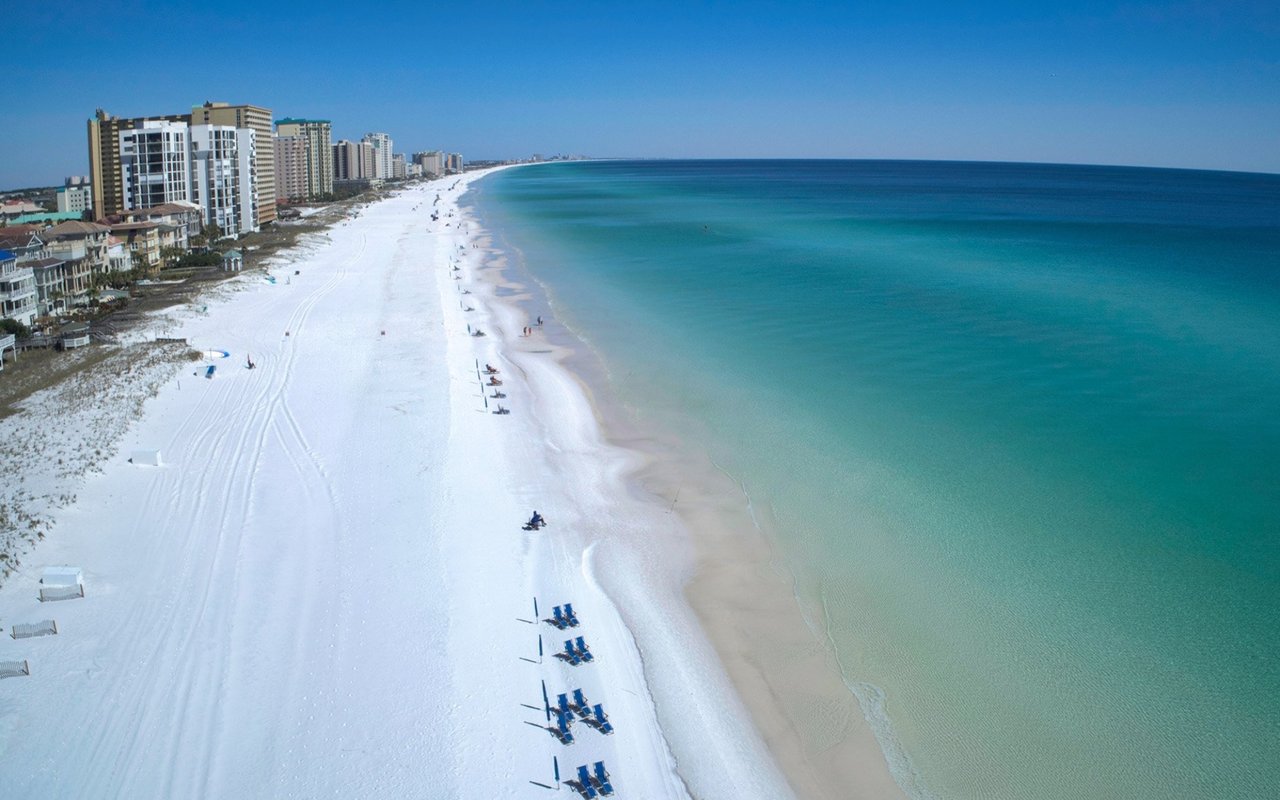
| Okaloosa Island and Elliott's Point (waterfront) | $690,000 to $3,200,000 |
| NW interior established neighborhoods | $140,000 to $430,000 |
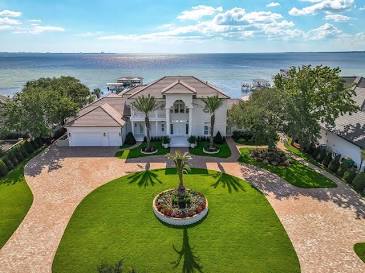
A citywide median blends a $3.2 million bay-view home with a $140,000 interior fixer and reports back a single figure that describes neither one. If you're pricing a home in the established NW interior neighborhoods, the waterfront closes are noise. If you're pricing a place on Okaloosa Island, the interior sales tell you nothing. Buyers on Okaloosa Island compare your home to other Okaloosa Island closes. Buyers in the established interior neighborhoods, places like Kenwood, compare yours to theirs. The city-level number that shows up on the big portals sits on top of both groups and is genuinely useful to neither.
The zero-day close versus the three-year sit
This is where the real lesson shows up, and it isn't about location at all.
Homes priced correctly on day one, at every price point in that same June 2026 window, closed fast. The SE Brooks Street and Union Street sales went to contract the day they listed. The Seahorse Avenue sale, a $690,000 property, took three days. These aren't discount properties finding a quick buyer out of desperation. They span the entire range of the market.
Homes priced above what the recent comps supported did the opposite. The Lee Drive listing has been sitting for more than three years and counting, still asking $275,000, the kind of stall a correctly calibrated listing in that same neighborhood would likely have avoided entirely. The Hollywood Boulevard property took 252 days to finally close.
The only variable separating a zero-day close from a multi-year sit was the number on the sign the day it went up. Not the school zone. Not the season. Not interest rates. The initial price, measured against what had actually closed nearby in the weeks before listing.
Why VA financing raises the stakes here
Fort Walton Beach sits inside the Fort Walton Beach Military Housing Area, home to a large share of buyers connected to Eglin Air Force Base and Hurlburt Field. VA financing runs through a meaningful portion of transactions here at nearly every price tier, and that changes what happens when a home is priced above its comp set.
A VA appraisal isn't a formality. It's tied directly to recent, comparable closed sales, the same sales that make up your submarket's real pricing story rather than the citywide average. If the list price sits above what those comps support, the appraisal will say so in writing, and the seller is left renegotiating from a weaker position after weeks of lost time on market, not before the listing goes live.
In a market where a meaningful share of your buyer pool is financing through a VA loan, an overpriced listing doesn't just sit longer. It risks losing the buyer entirely once the appraisal comes back short and the loan program gives them no built-in flexibility to close the gap without renegotiating or bringing cash to the table.
What this means if you're listing this fall
The Federal Reserve Bank of St. Louis tracks a quarterly house price index specifically for the Crestview-Fort Walton Beach-Destin metro, going back to 1986, and it's a useful reminder that this market has decades of pricing history behind it. But that regional index isn't the concern for a seller this fall. The concern is what happens at the individual listing level, where the difference between a fast close and a stalled one is decided before the first showing.
If you're getting ready to sell, the citywide median is not your pricing tool. Your own street's recent closes are. That means pulling actual sold comps from your specific submarket, inside a recent window, not a six-month-old average from a national portal, and pricing to what buyers in your pocket of the city have actually paid rather than what the aggregate suggests. It also means expecting real scrutiny if your buyer is financing through a VA loan, since the appraisal will follow the same comp logic your listing price should have followed from day one.
A few honest answers
Is Fort Walton Beach a buyer's market or a seller's market right now? Depends on where in the city you're asking about. Portals disagree, with some describing the city overall as somewhat competitive and others calling it balanced. The honest answer is that it varies by submarket and even by street, which is exactly why the citywide label matters less than your own recent comps.
Why do waterfront homes cost so much more than interior homes in the same city? Beyond the obvious appeal of water access, waterfront ownership on the Emerald Coast typically carries meaningfully higher insurance costs. Industry estimates for 2026 put average homeowners insurance around $3,794 a year for Okaloosa County overall, with coastal and waterfront properties running well above that county average once flood coverage is added, since flood insurance is excluded from standard homeowners policies on this stretch of coast and has to be purchased separately.
Does VA financing limit what I can list my home for? Not directly, but it limits what a VA buyer can actually close at, since the loan is tied to the appraised value rather than the agreed price. In a market where VA buyers make up a large share of the pool, pricing above what recent comps support narrows your buyer pool right at the moment you need it widest.
If you're weighing when to list and want someone to actually pull your street's recent comps instead of handing you a citywide average, that's the conversation worth having before the sign goes in the yard. Chris Closes offers a free consultation and home valuation built on the actual closed sales in your specific Fort Walton Beach submarket, not the number a national portal happens to be showing this month.