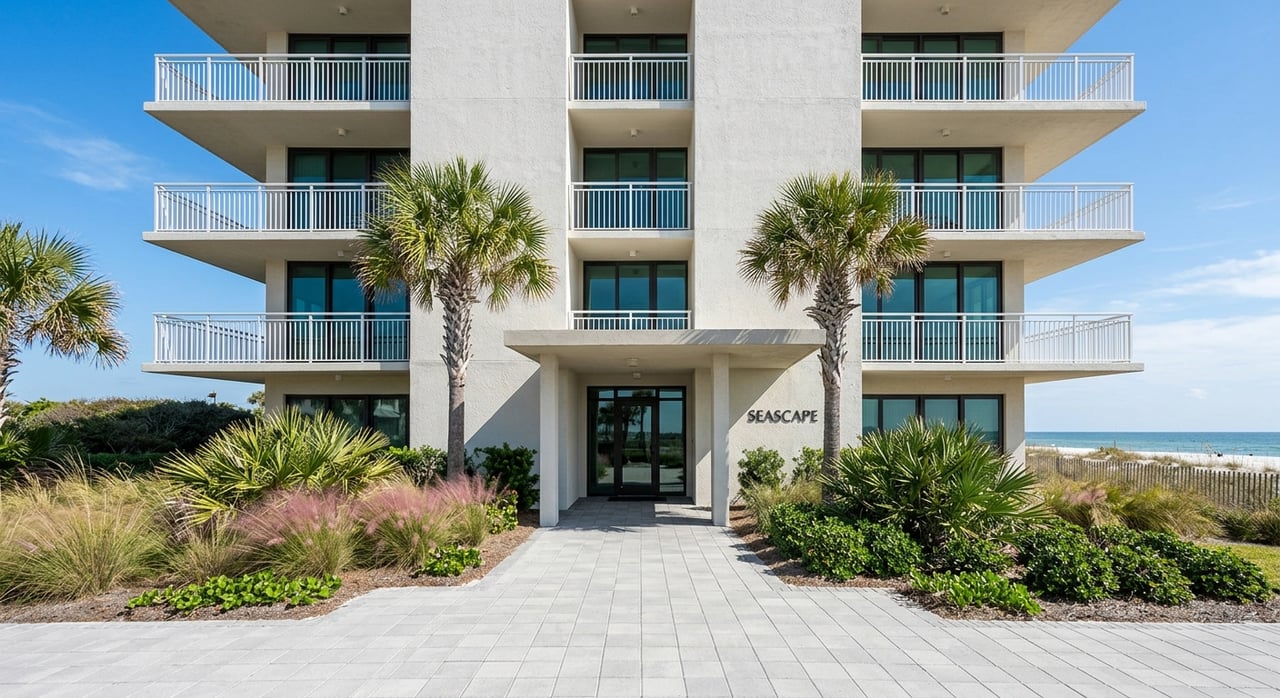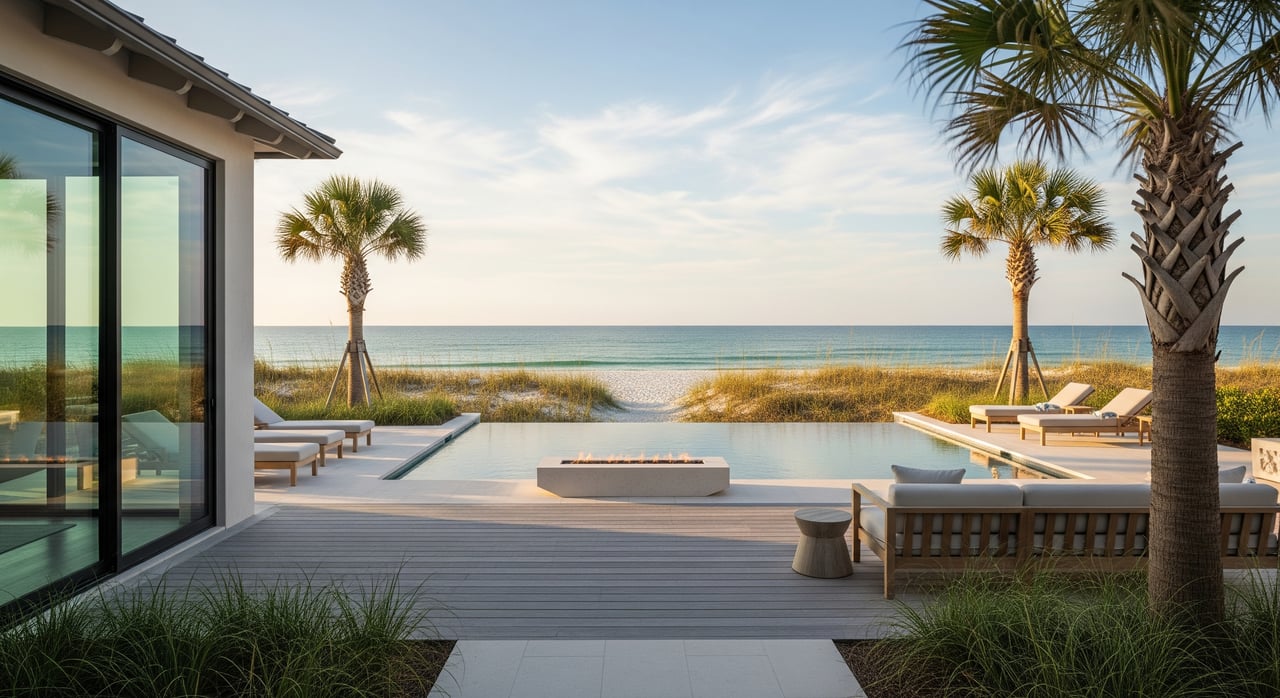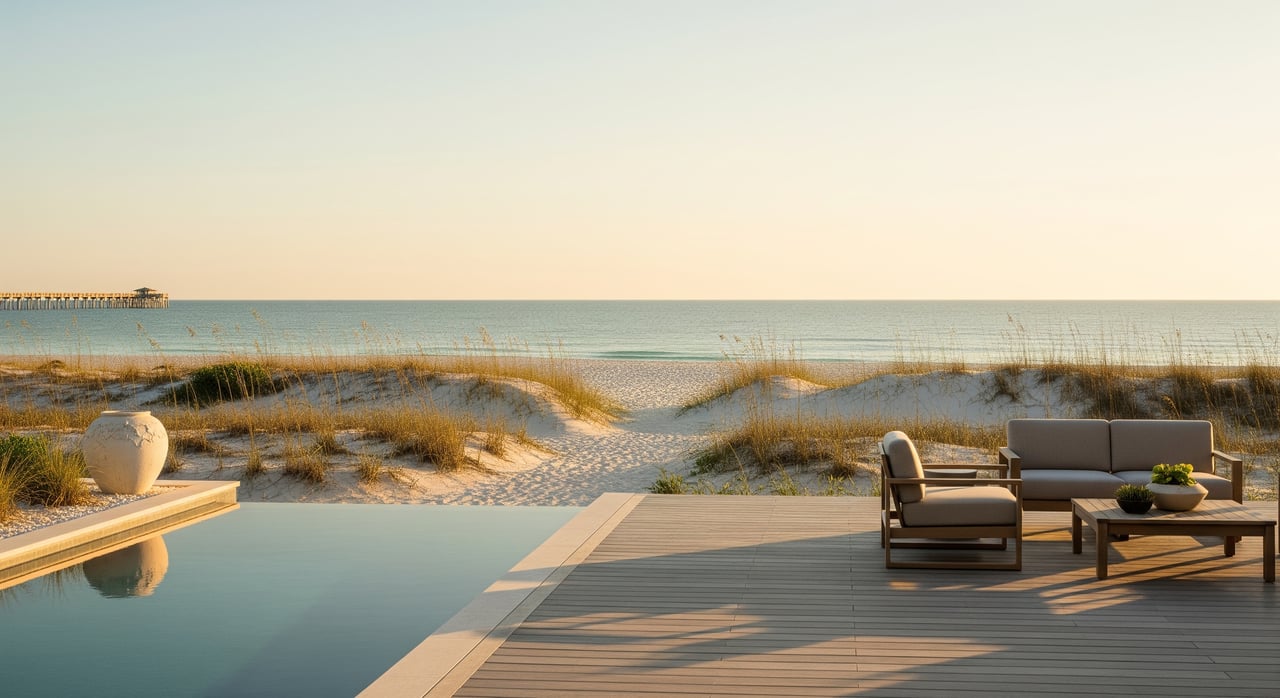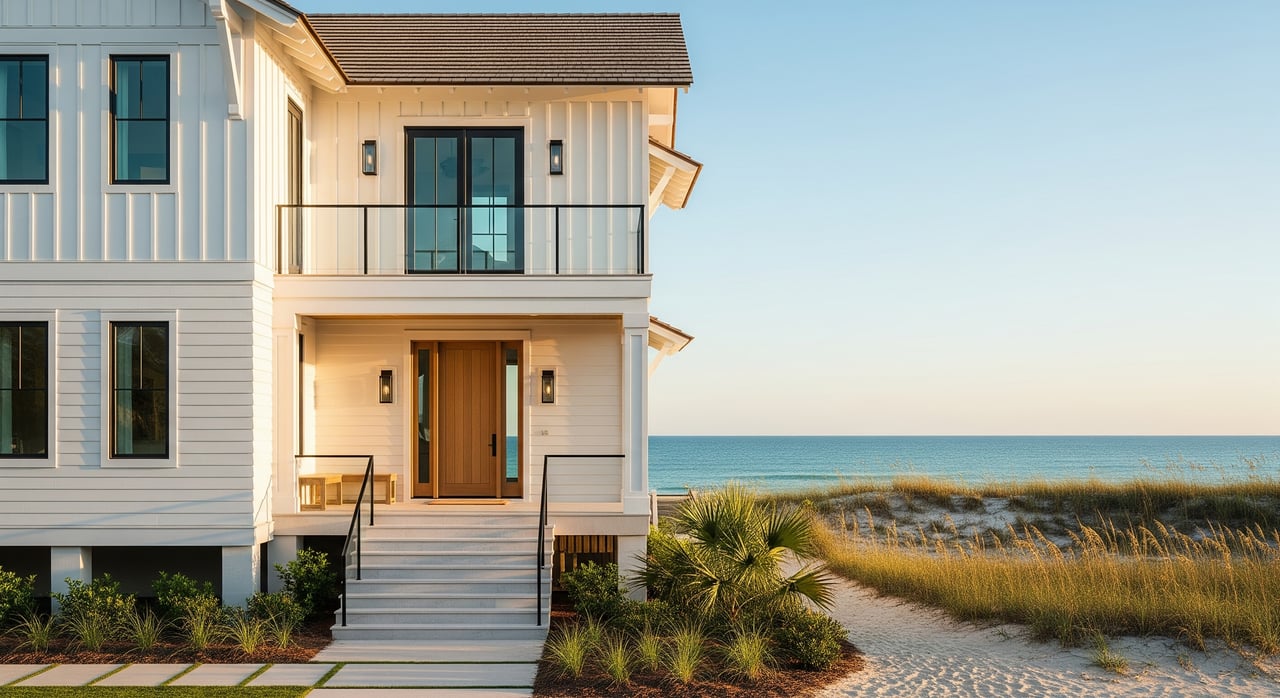
If you have ever wondered what it would be like to trade a quick beach getaway for everyday life on the sand, Pensacola Beach offers a very specific kind of full-time living. It is scenic, active, and deeply tied to the water, but it also comes with routines that look different from life in a typical Florida neighborhood. If you are thinking about buying a primary home, second home, or coastal property you plan to use more often, this guide will help you understand what daily life on Pensacola Beach really feels like. Let’s dive in.
Pensacola Beach feels different from a typical neighborhood
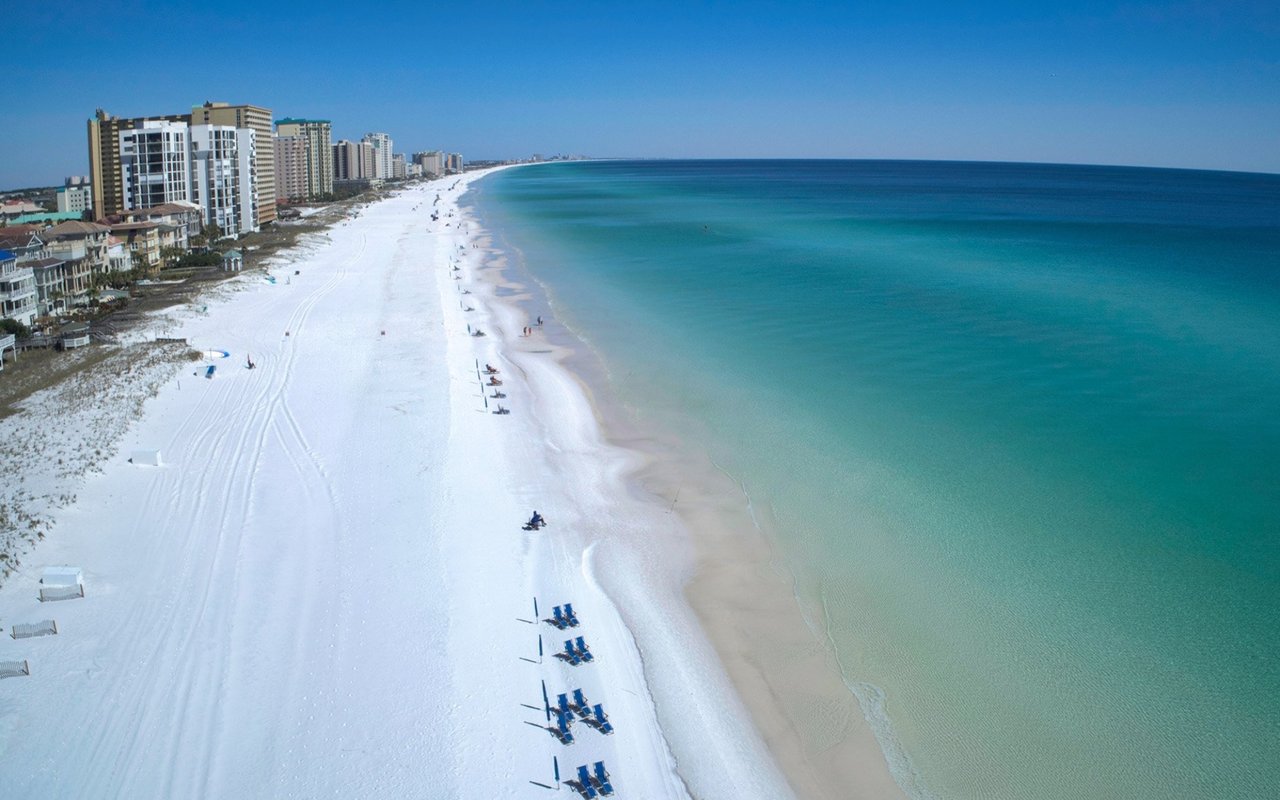
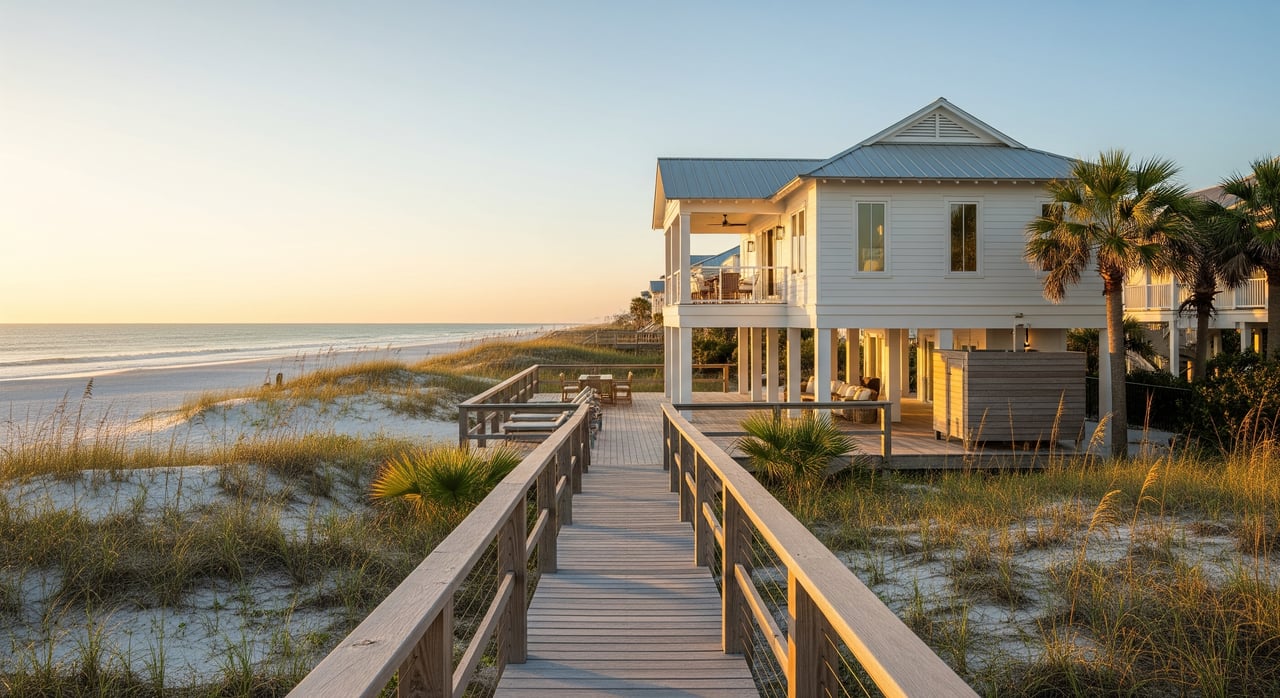
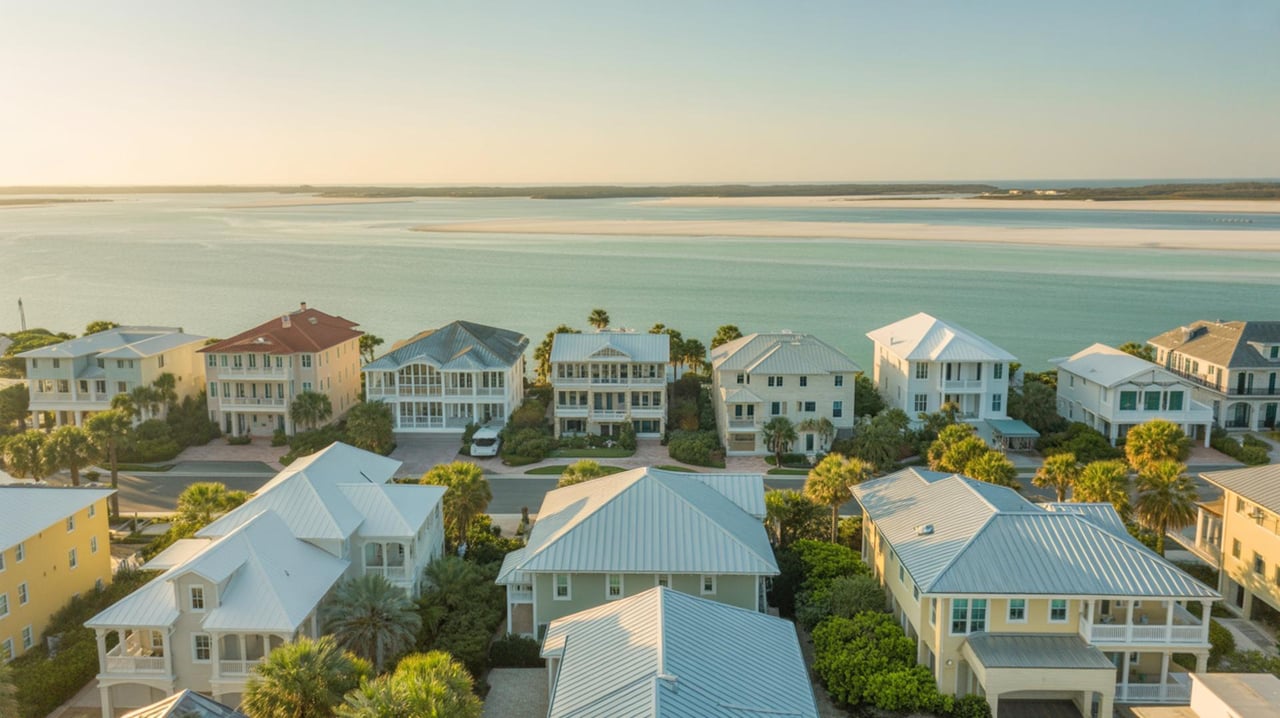
Pensacola Beach sits on Santa Rosa Island in Escambia County, and the setting shapes almost everything about daily life. According to Escambia County, the island is about eight miles long and a quarter mile wide, with 60 percent set aside for public use or public service land and 40 percent leased for residential and commercial use.
That land mix creates a place that feels more like a compact coastal district than a large suburban community. Instead of sprawling neighborhoods, big shopping corridors, and lots of inland shortcuts, you get a more focused island environment built around beach access, marinas, the boardwalk area, and a handful of central gathering spots.
The Santa Rosa Island Authority administers Pensacola Beach, and that matters for residents. The visitor center, boardwalk core, pier, marinas, and public access points are not just tourist features. They are part of the rhythm of living there full time.
Daily life is centered on the outdoors
Living on Pensacola Beach full time means your routine is likely to revolve around the water and outdoor spaces. Official Pensacola Beach information highlights restaurants, nightlife, the Gulf Pier, marinas, and the Footprints in the Sand Eco Trail as central parts of the area.
In practical terms, that means a normal week can include sunrise walks, fishing, boating, beach time, casual dining, and community events. The lifestyle leans heavily toward open air activities rather than a traditional town pattern built around major retail, office parks, or large inland amenities.
For many residents, that is exactly the appeal. You are not moving there for a conventional suburban experience. You are moving there for a place where the beach and bay are part of daily life, not just weekend plans.
Boating is a real part of the lifestyle
If you enjoy being on the water, Pensacola Beach makes that easier than many coastal areas. The Santa Rosa Island Authority says the island has four marinas, which gives residents practical access for keeping a boat nearby or spending more time on the bay and Gulf.
That does not mean every resident owns a boat, of course. But it does mean boating is woven into the local environment in a very visible, everyday way. Even if you are not on the water yourself, marinas, docks, and waterfront activity become part of the atmosphere around you.
The pier and boardwalk stay part of your routine
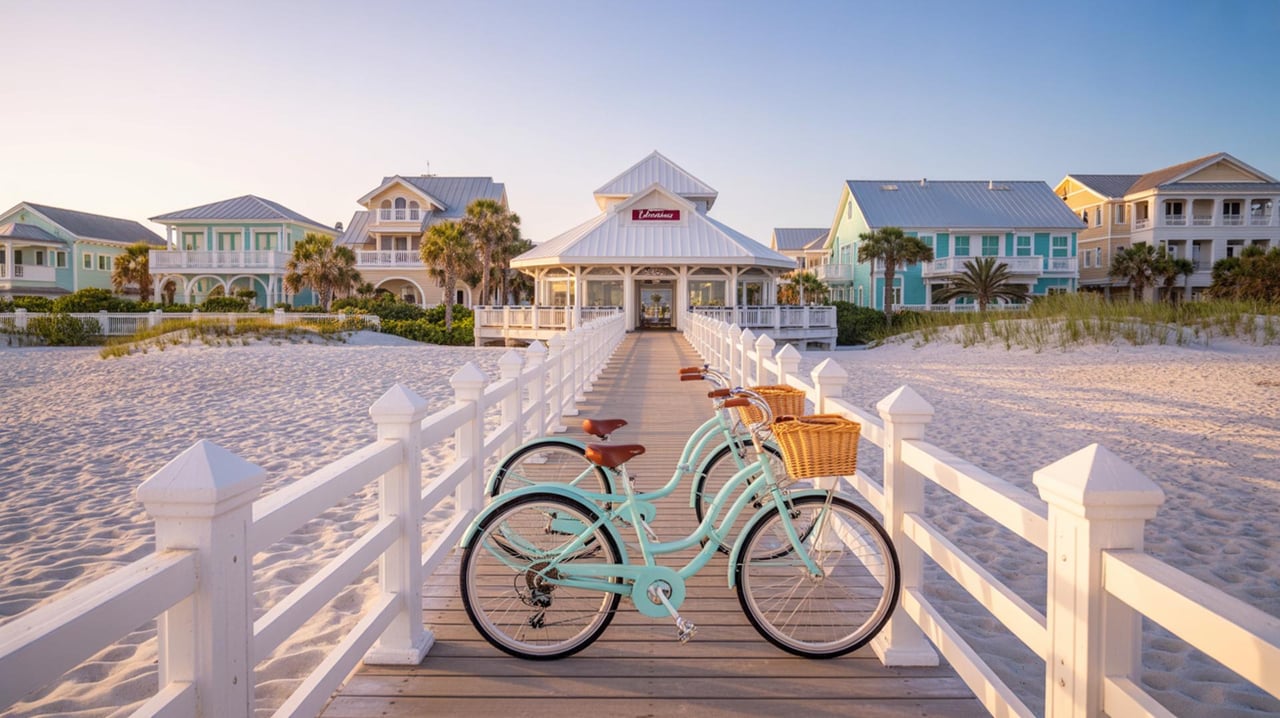
The Gulf Pier is one of the island’s major landmarks, and for full-time residents it can feel less like an attraction and more like a familiar part of the community. The same goes for the boardwalk area and nearby commercial core, where dining, events, and waterfront activity bring people together throughout the year.
That gives Pensacola Beach a social feel, but in a compact format. It is active without feeling like a major city center.
Dog owners need to know the beach rules
If you have a dog, living on Pensacola Beach can still work well, but you need to understand the rules. Escambia County says there are two designated dog beaches on the island at lots 21E and 28B.
Dogs must be leashed, and during turtle season those dog beach areas open at 7 a.m. instead of sunrise. Outside of the designated dog areas, dogs are not permitted on the beaches.
That is an important day-to-day detail if your pet is part of your normal routine. On Pensacola Beach, dog-friendly living is possible, but it is structured around specific locations and seasonal rules.
Beach rules are part of daily living
One thing that stands out about full-time life on Pensacola Beach is that the beach is both beautiful and regulated. Escambia County requires people to remove beach gear at the end of the day, prohibits glass, and bans bonfires and private grills on the beach.
Safety rules matter too. The county closes the Gulf during double red-flag conditions and warns that rip currents are the greatest danger, with guarded areas recommended when possible.
For residents, these are not occasional reminders you see once on vacation. They become part of your everyday awareness. Living on the beach means enjoying the setting while respecting the rules that help protect people and the shoreline.
Mainland trips are still part of the routine
Pensacola Beach has a strong lineup of outdoor amenities, restaurants, marinas, and event spaces, but it is not a retail-heavy area. Based on the island’s published amenity mix, full-time residents will likely still make mainland trips for some larger errands and services.
That does not take away from the lifestyle. It just means island living comes with a different rhythm. You may spend your mornings near the water and still plan regular trips off the island for practical needs.
For some buyers, that tradeoff feels easy. For others, it is something to weigh carefully before deciding whether full-time beach living fits their lifestyle.
Getting on and off the island matters
When you live on Pensacola Beach, transportation is not a small detail. Escambia County says the Bob Sikes Toll Bridge is the main access point, with a $1 toll each way collected electronically through SunPass-compatible systems or TOLL-BY-PLATE.
Cash and coins are not accepted. The county also notes that TOLL-BY-PLATE users pay a $2.50 administrative fee each billing cycle, and annual pass options are available for frequent users.
That makes bridge access part of your real monthly routine. If you commute, run errands often, or regularly meet people on the mainland, the toll and crossing pattern become part of how you plan your week.
Transit options exist, but they are limited
Pensacola Beach does offer alternatives to driving, though they are not a full replacement for most residents. The Santa Rosa Island Authority operates a free island trolley, ECAT serves the beach by bus, and the Pensacola Bay City Ferry connects downtown Pensacola, Pensacola Beach, and Fort Pickens in season.
Visit Pensacola says the ferry runs March through October on Fridays through Sundays from 9 a.m. to 6 p.m. The SRIA trolley schedule for 2026 runs daily from 4 p.m. to midnight from May 22 through Sept. 7, serving the east end, west end, and commercial core.
These options can be useful, especially during busier times of year. Still, most full-time residents should expect their day-to-day mobility to center on driving and bridge access.
Traffic changes with the season
Traffic patterns are another real part of the lifestyle. Visit Pensacola notes that traffic can be heavier during spring break and summer, especially later in the morning.
If you live there full time, that seasonal traffic is no longer just a visitor inconvenience. It affects commutes, errands, guest visits, and your timing when heading on or off the island. Buyers who love the beach lifestyle usually accept that tradeoff, but it is better to go in with clear expectations.
The island stays active year round
Some beach communities quiet down more than people expect in the off-season. Pensacola Beach still has a year-round event calendar that helps keep the area active.
The Santa Rosa Island Authority lists events such as the Polar Bear Plunge, Snowbirds Beach Bash, Bands on the Beach on Tuesdays from April through late October, Cinemas in the Sand, and other summer community events. That schedule suggests the island maintains a social rhythm well beyond peak summer.
For full-time residents, this can make the area feel more connected and lively throughout the year. You are not just buying access to the beach. You are stepping into a place with recurring local events and a defined seasonal flow.
Weather supports an outdoor lifestyle
One reason full-time life on Pensacola Beach appeals to so many people is the climate. Santa Rosa Island Authority temperature averages show winter air in the low 50s and midsummer air in the low 80s.
Water temperatures range from the mid-60s in winter to the mid-80s in late summer. That supports a long outdoor season and helps explain why the beach culture stays strong across much of the year.
If you value time outside, that climate is a major draw. Walks, fishing, boating, and beach time can stay part of your lifestyle in more months of the year than many buyers from other regions expect.
Storm prep is part of living there
The biggest practical reality of full-time life on Pensacola Beach is storm exposure. Escambia County says Pensacola Beach is subject to coastal storm and flooding hazards, and every property on the beach is subject to flooding.
The county also states that barrier islands should always expect evacuation orders. That means hurricane preparation is not something you think about once in a while. It is part of responsible ownership and full-time living.
For the right buyer, this does not have to be a deal breaker. It simply means coastal living comes with real planning responsibilities. If you are considering a move to Pensacola Beach, this is one of the most important factors to understand clearly from the start.
What full-time living feels like overall
So what is it really like to live on Pensacola Beach full time? In simple terms, it is beautiful, social, and highly connected to the outdoors.
At the same time, it is also shaped by bridge access, seasonal traffic, beach rules, and weather awareness. You are choosing a lifestyle where the beach is your backyard, but where island logistics and coastal conditions are part of everyday life too.
For many buyers, that combination is exactly the point. If you want a setting that feels scenic and active year round, Pensacola Beach offers a lifestyle that is hard to match along the Gulf Coast.
If you are weighing whether Pensacola Beach fits your goals for a primary home, coastal retreat, or long-term investment property, having a local guide can make the decision much clearer. When you are ready to talk through your options along the Emerald Coast and Panhandle, connect with Chris Schultz.
FAQs
What is daily life like for full-time Pensacola Beach residents?
- Daily life on Pensacola Beach is centered on the outdoors, with routines often built around the beach, boating, fishing, walking, dining, marinas, the pier, and local events.
What transportation should full-time Pensacola Beach residents expect?
- Most residents rely on the Bob Sikes Toll Bridge for access on and off the island, with a $1 toll each way collected electronically, while trolley, bus, and seasonal ferry options offer limited alternatives.
What beach rules do Pensacola Beach residents need to follow?
- Escambia County requires beach gear to be removed at the end of the day, prohibits glass, bans bonfires and private grills on the beach, and closes the Gulf during double red-flag conditions.
What should dog owners know about living on Pensacola Beach?
- Dog owners can use the two designated dog beaches at lots 21E and 28B, but dogs must be leashed and are not allowed on other beach areas outside those designated locations.
What weather risks come with living on Pensacola Beach full time?
- Pensacola Beach is subject to coastal storm and flooding hazards, every property on the beach is subject to flooding, and barrier islands should always expect evacuation orders.