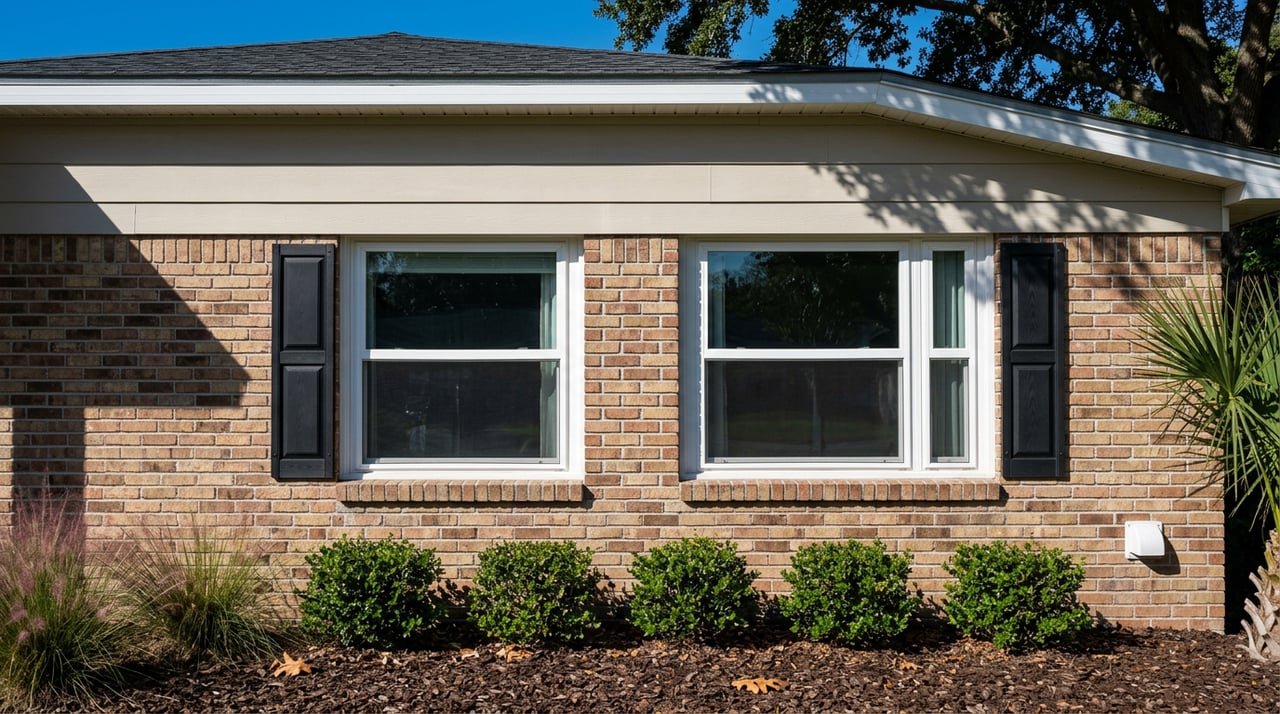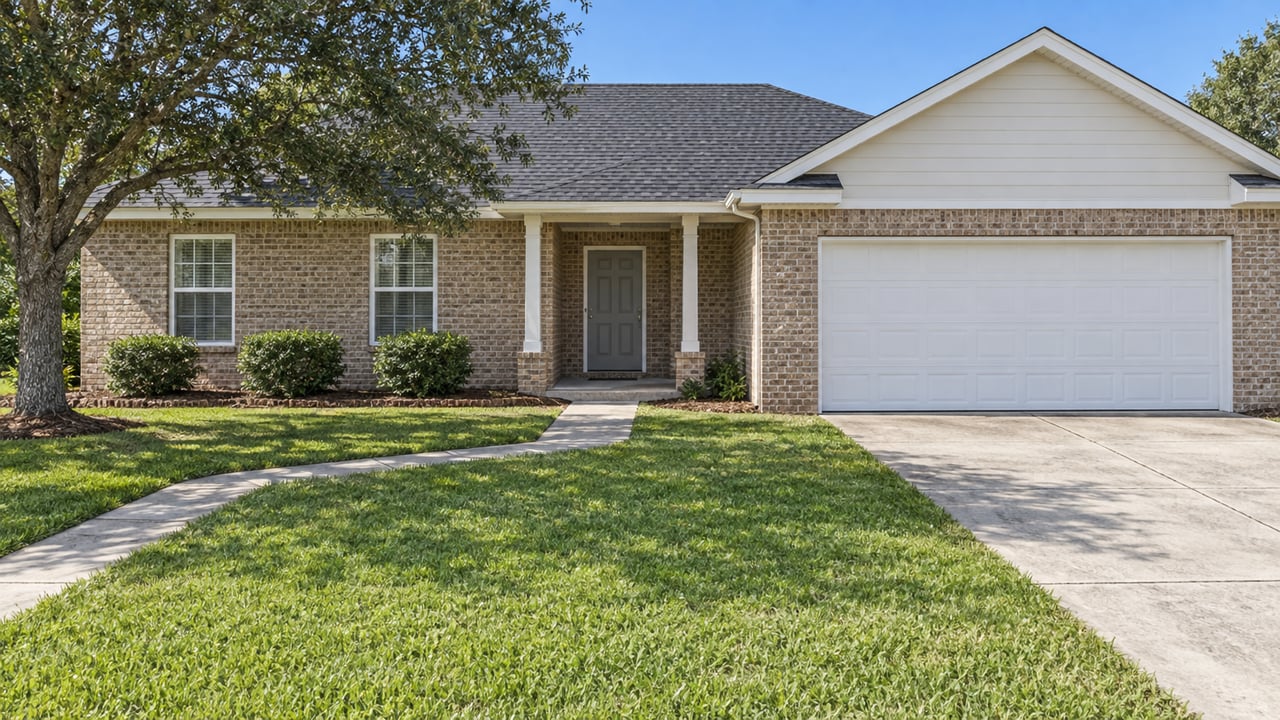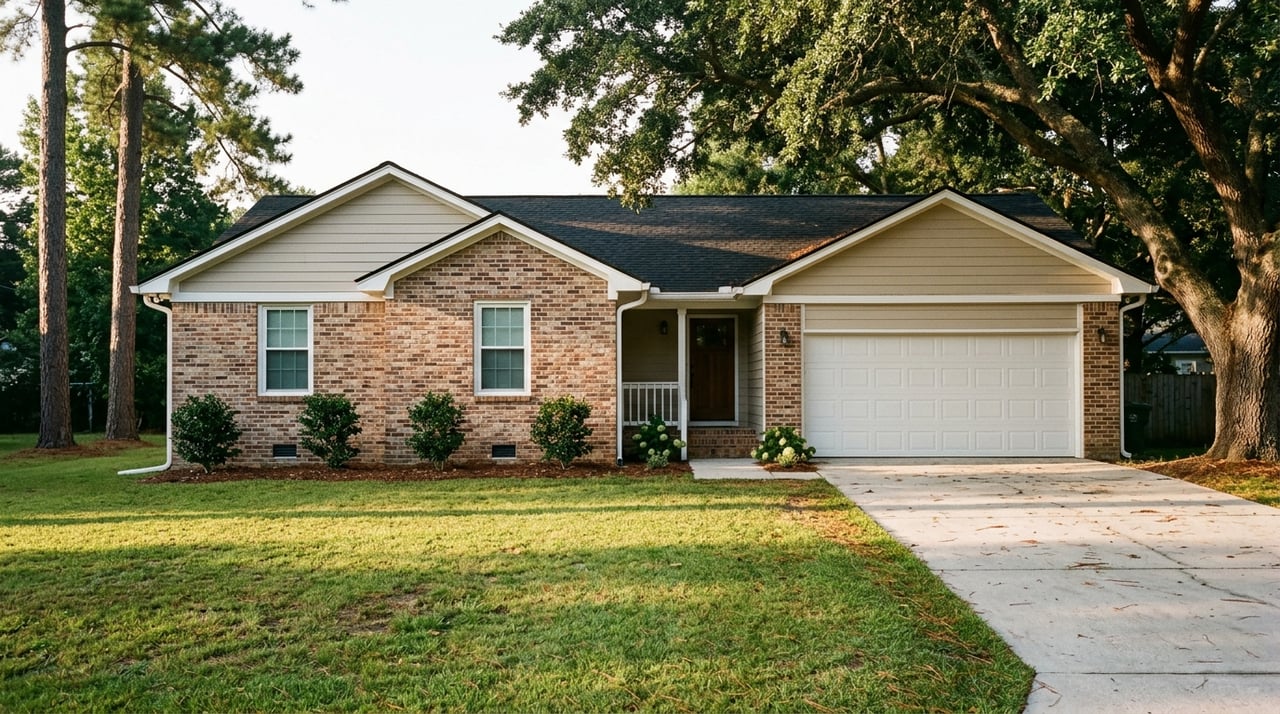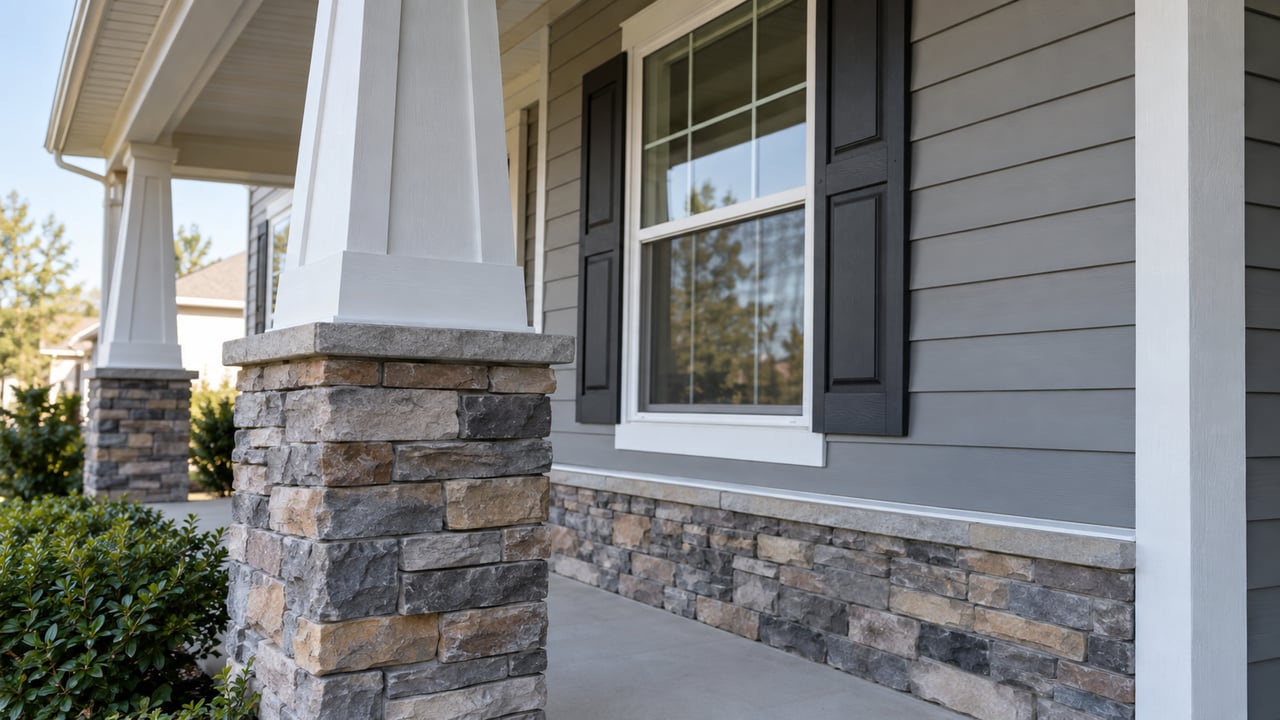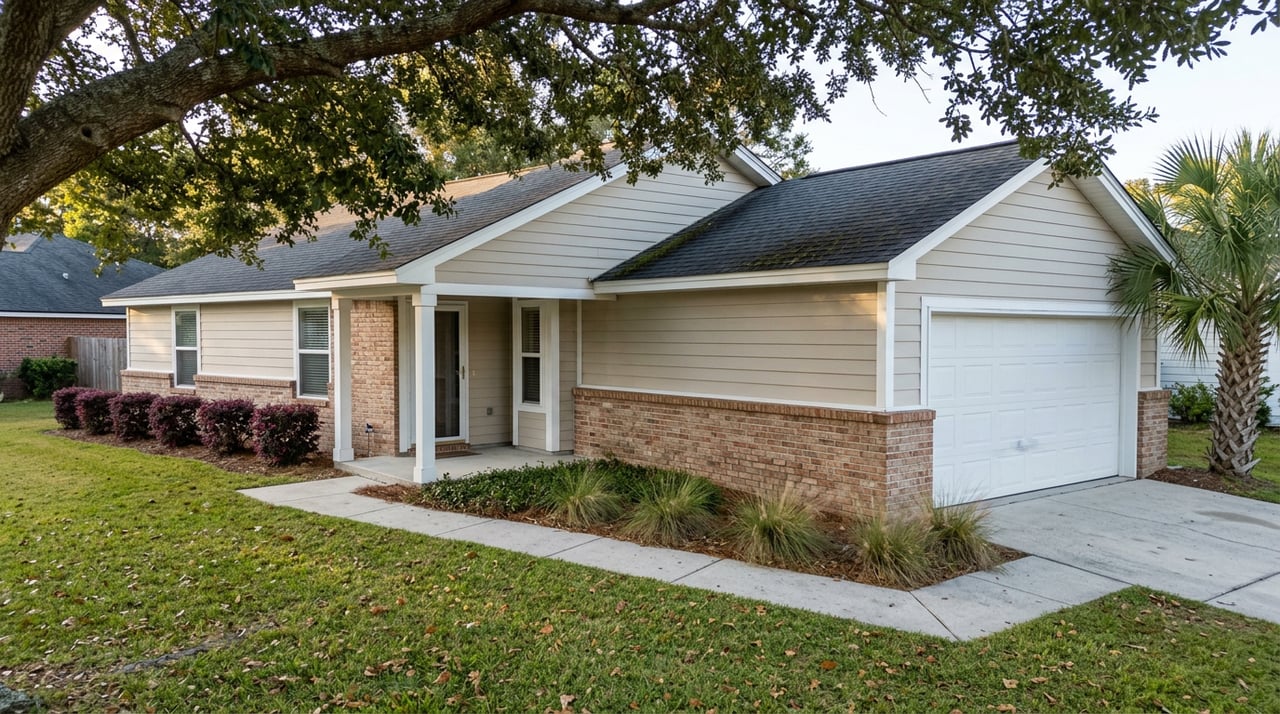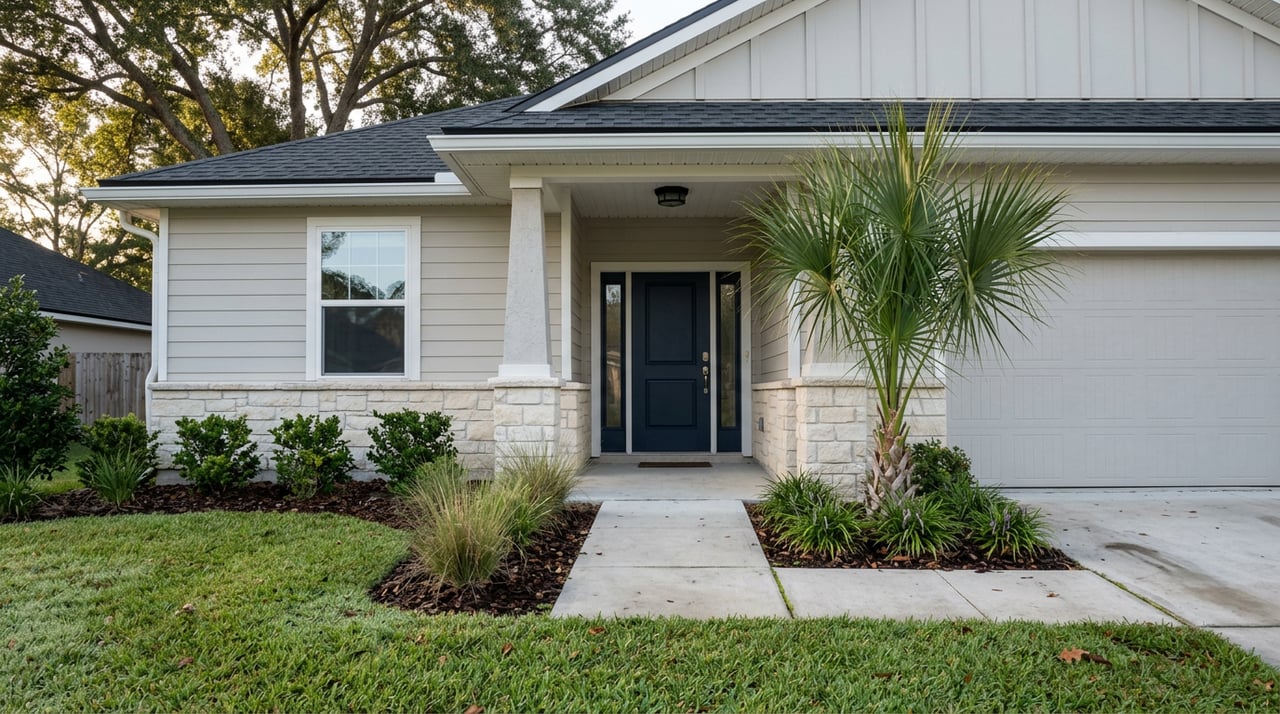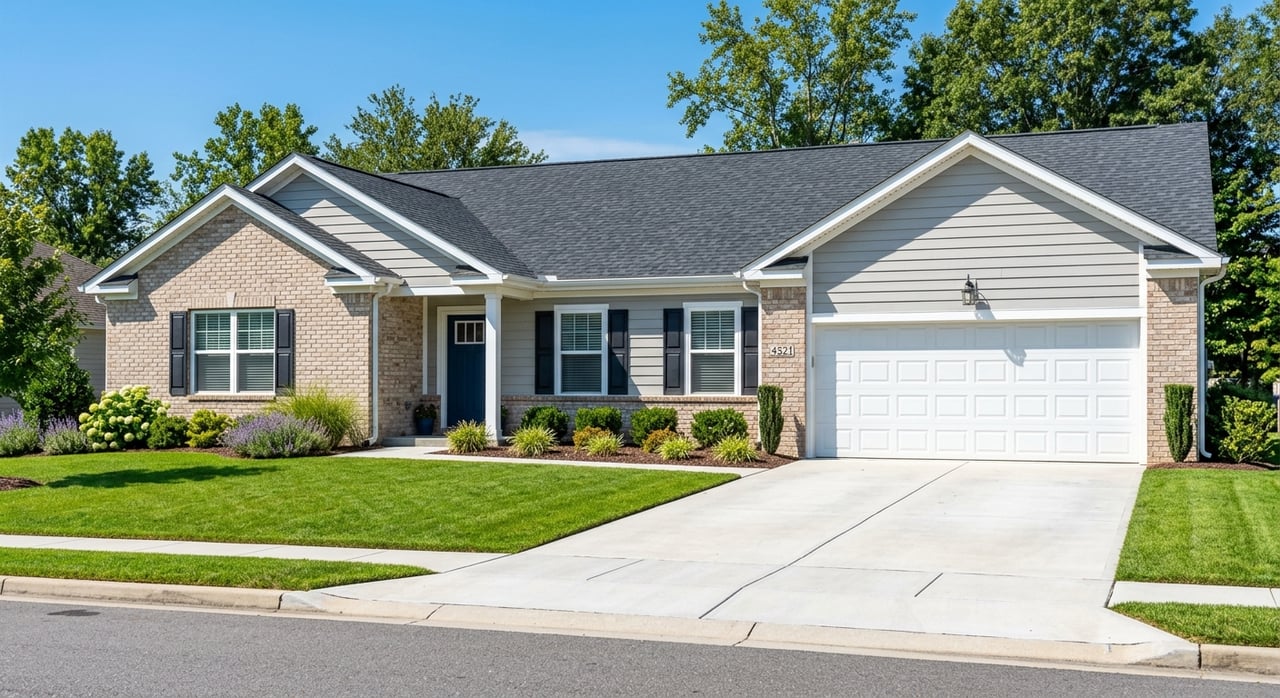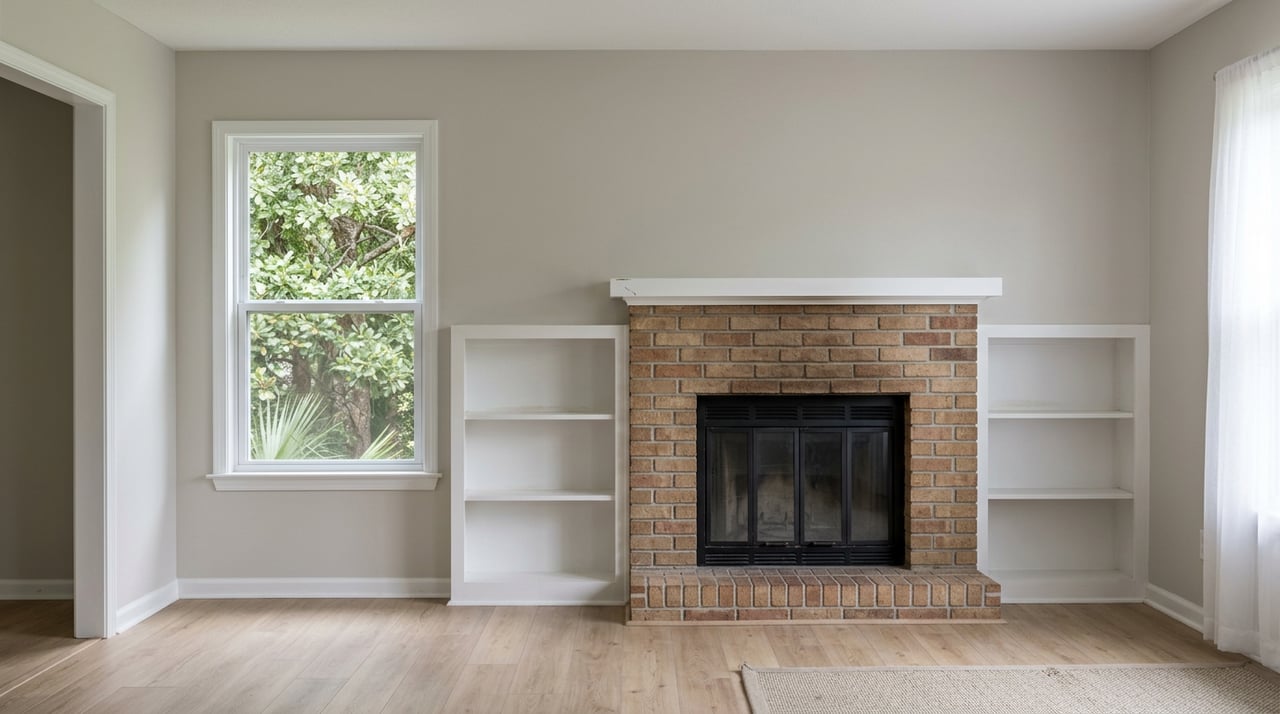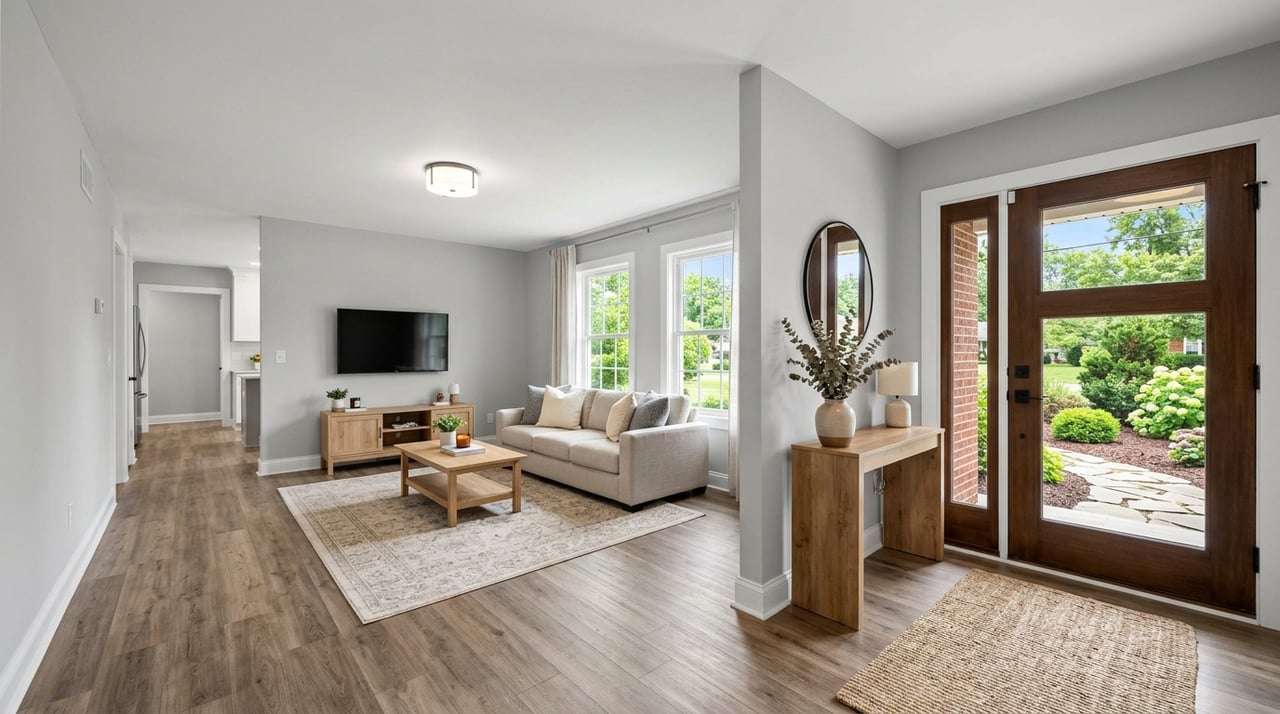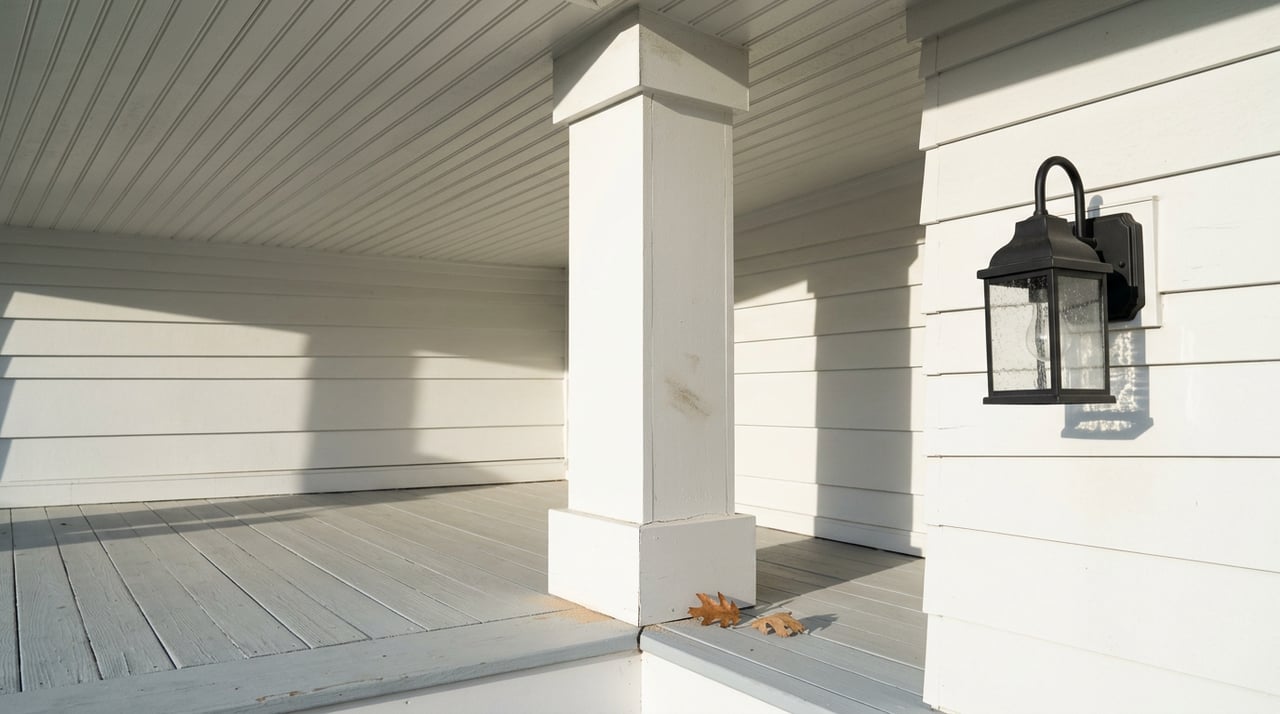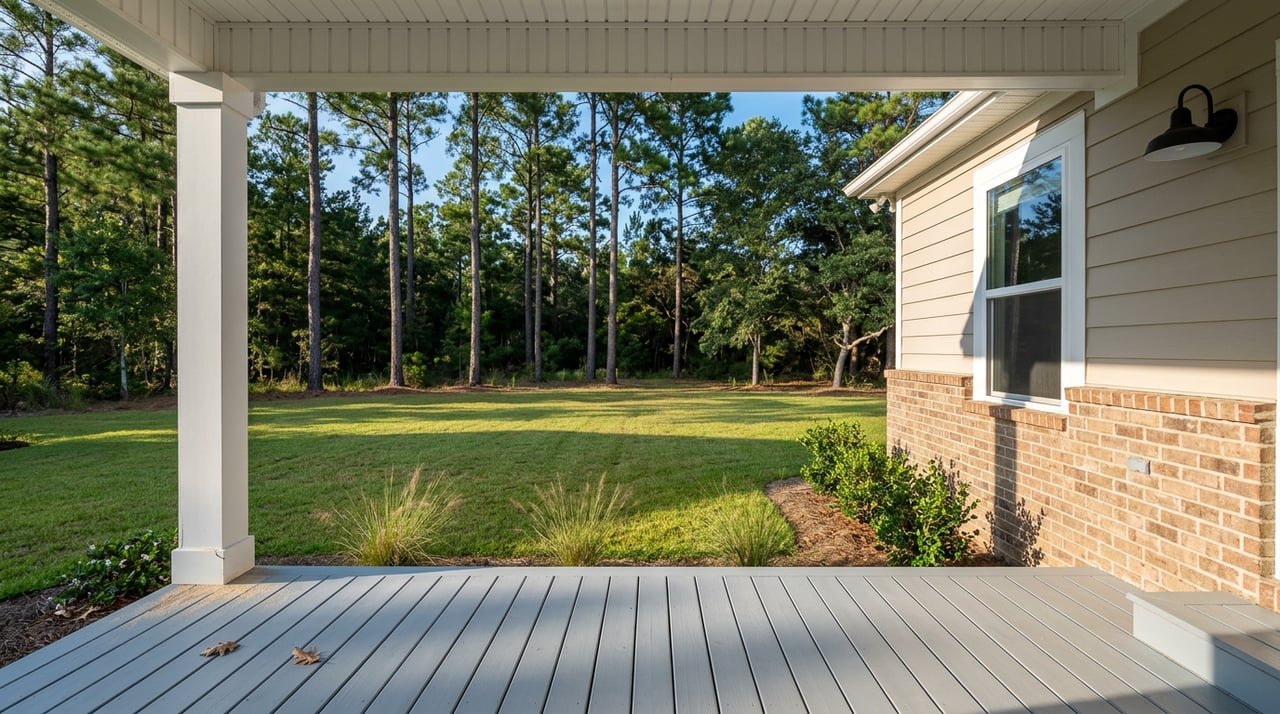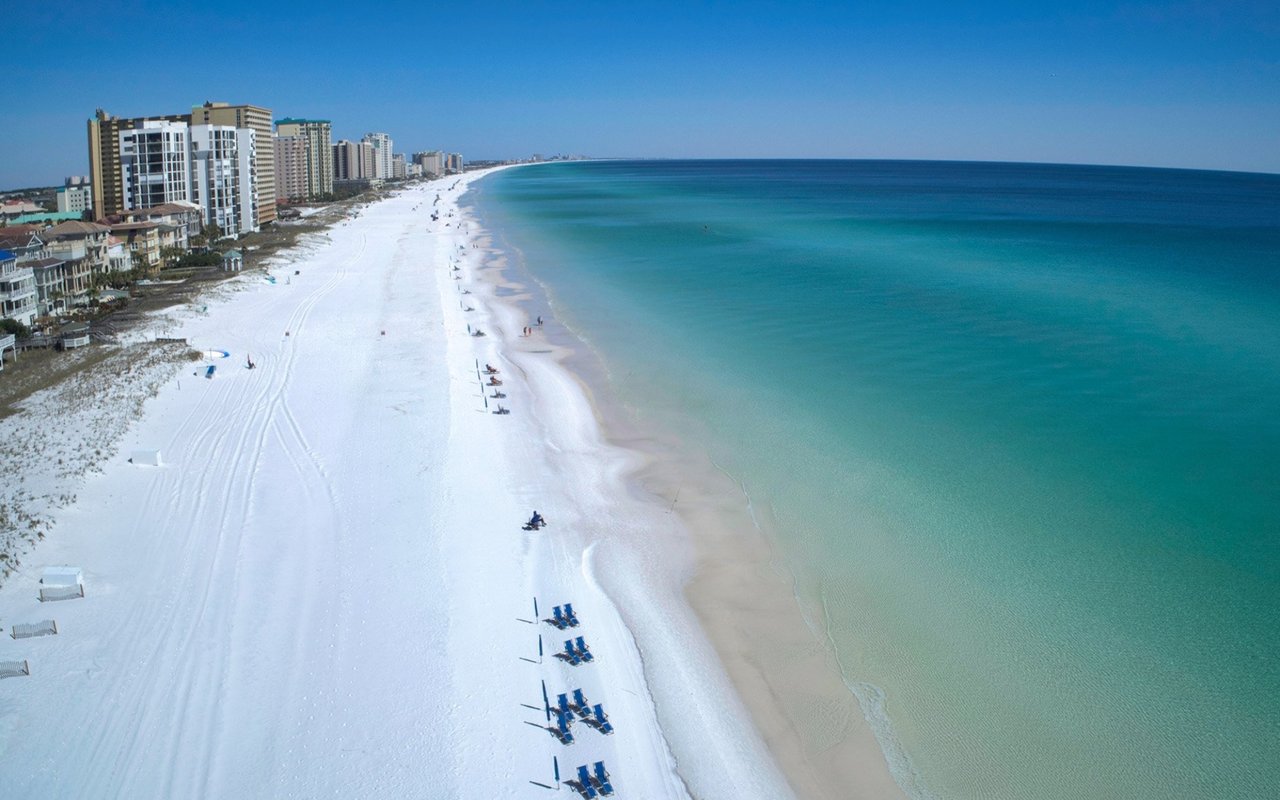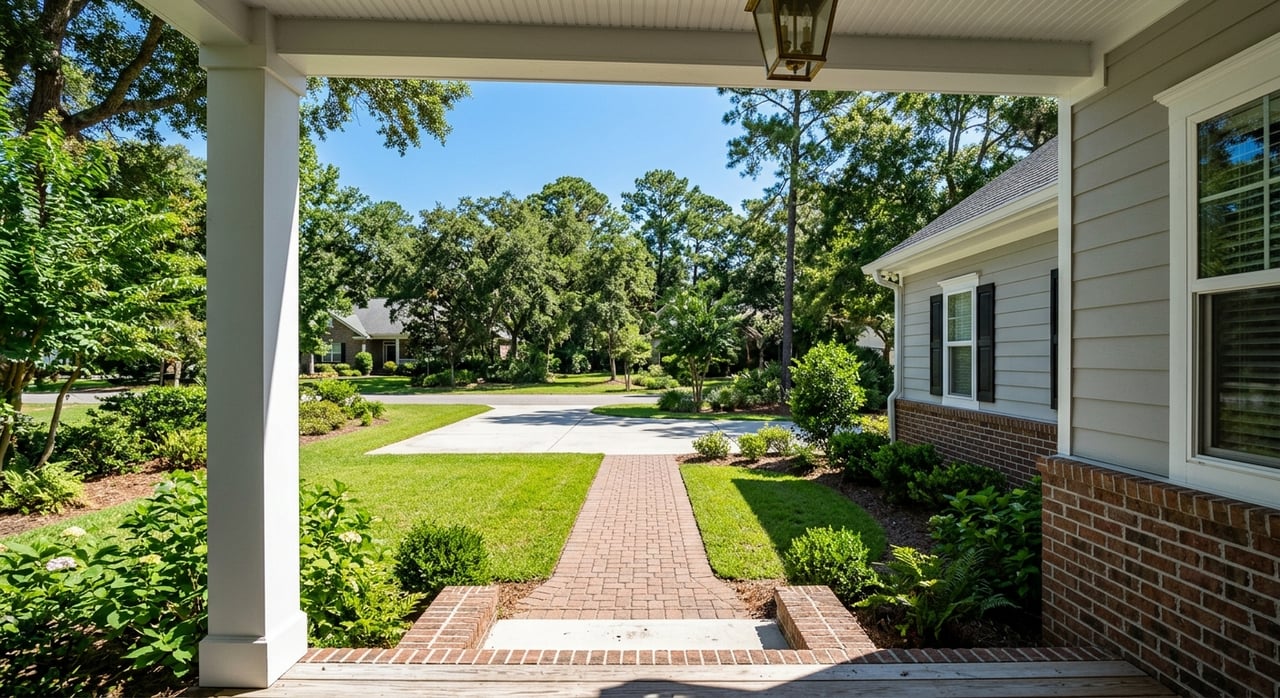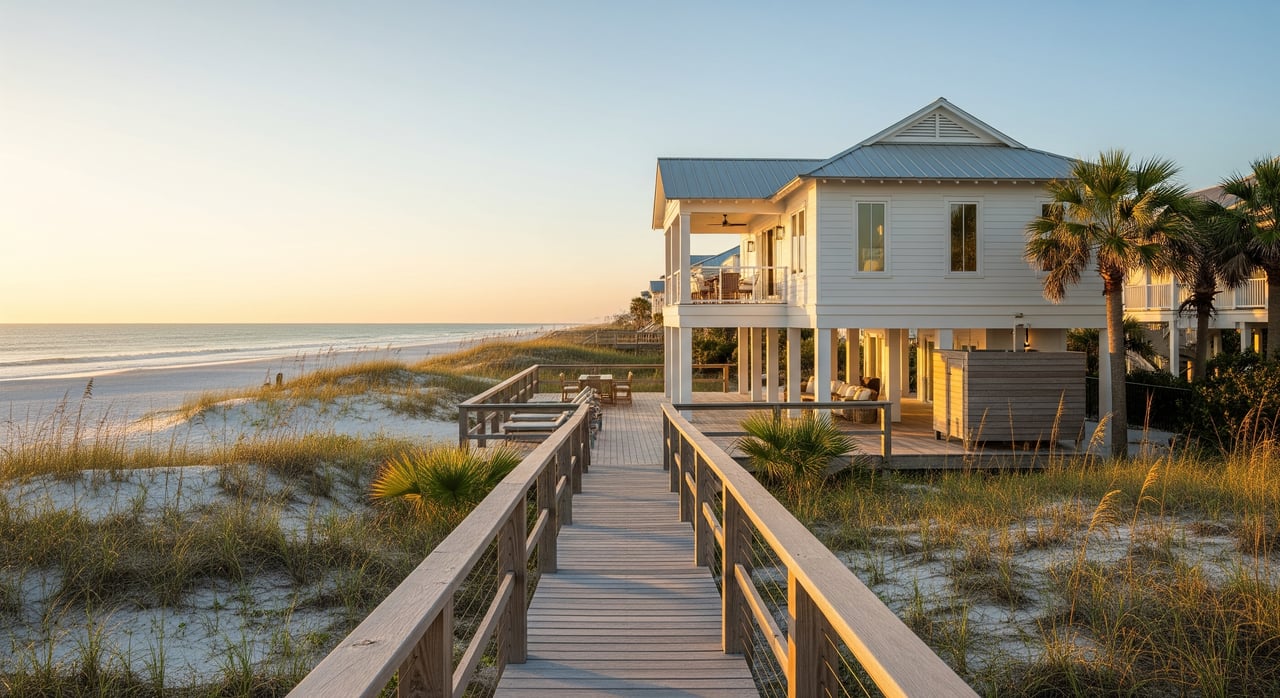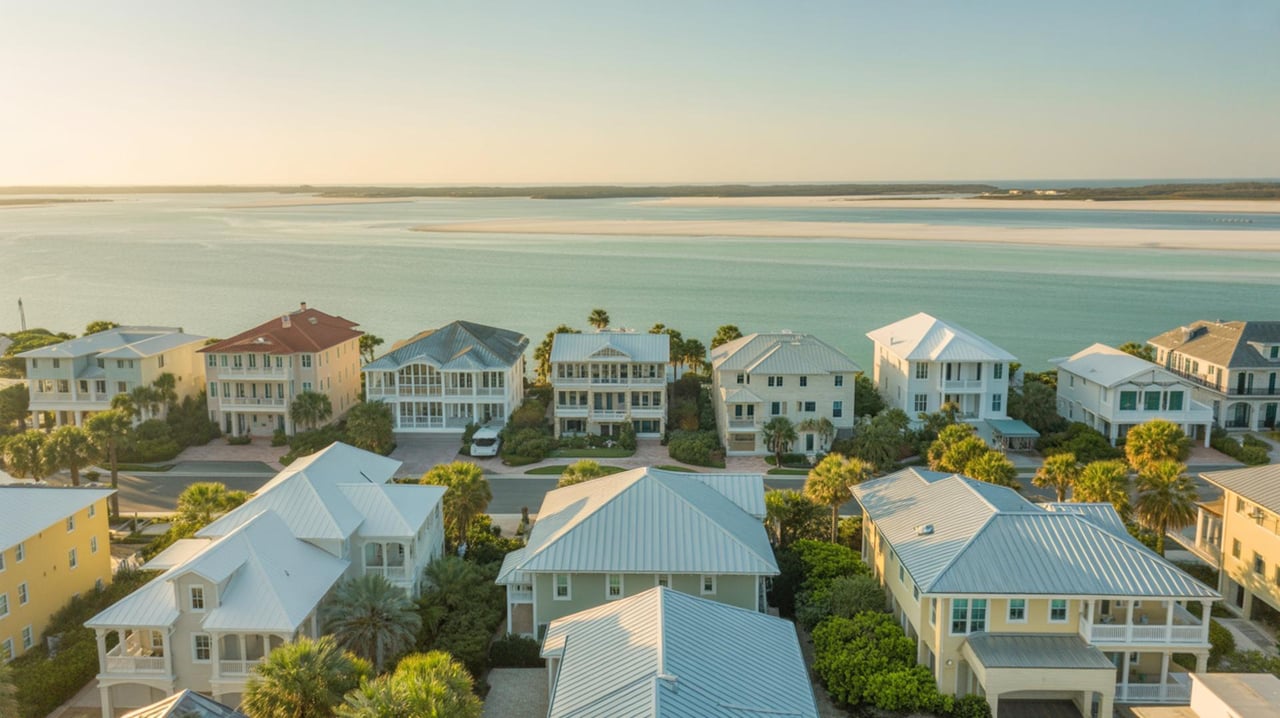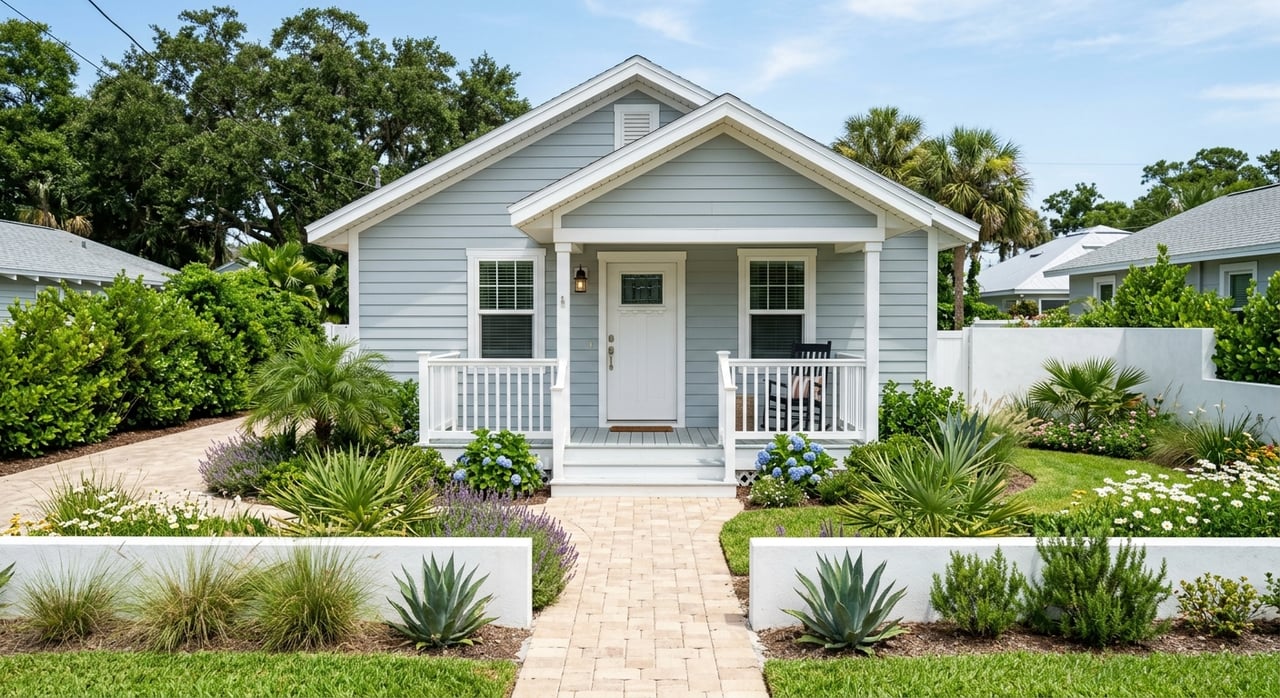
Dreaming about a Seaside cottage? It is easy to fall for the white-sand paths, pastel homes, and walkable town center, but buying here is not the same as buying in a typical beach neighborhood. If you are considering a cottage in Seaside, you need to understand what ownership really looks like, from design rules to rental options to flood and tax planning. Let’s dive in.
Why Seaside feels different
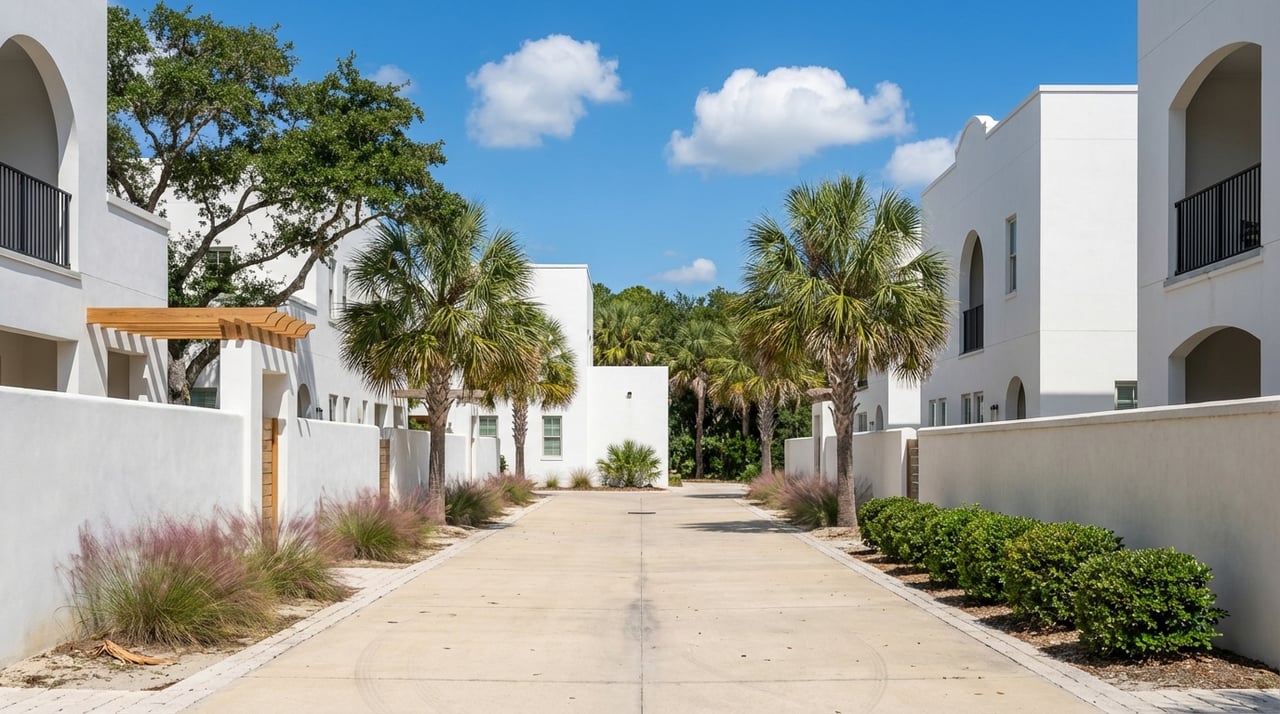
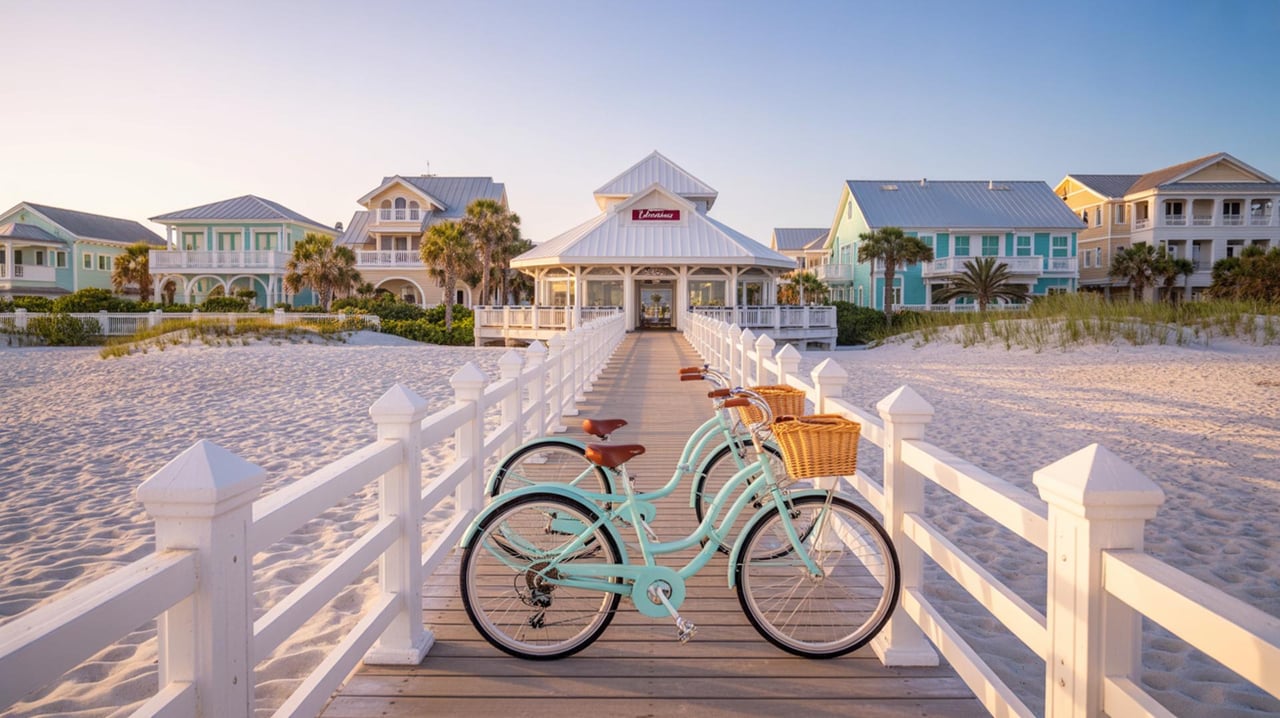
Seaside describes itself as the world’s first New Urbanist town, founded in 1981. Today, the community includes more than 300 homes, shops, restaurants, and galleries, all connected by walkable streets, brick paving, and footpaths that lead toward the town center and the beach.
That layout shapes the ownership experience. Instead of a spread-out subdivision built around cars, Seaside is designed around walking, shared spaces, and a carefully curated look. If that is what draws you in, it is also something you will want to protect when you buy.
Seaside also sits within the broader Santa Rosa Beach and Walton County coastal market, which remains a premium part of the Emerald Coast. In March 2026, Realtor.com described Walton County as a buyer’s market, while Zillow reported a typical county home value of $658,811, Redfin reported a $751,000 median sale price, and Realtor.com showed a median listing price of $1.2 million for ZIP code 32459. These figures measure different things, but together they show you are shopping in a high-demand, high-value area.
What you may actually buy
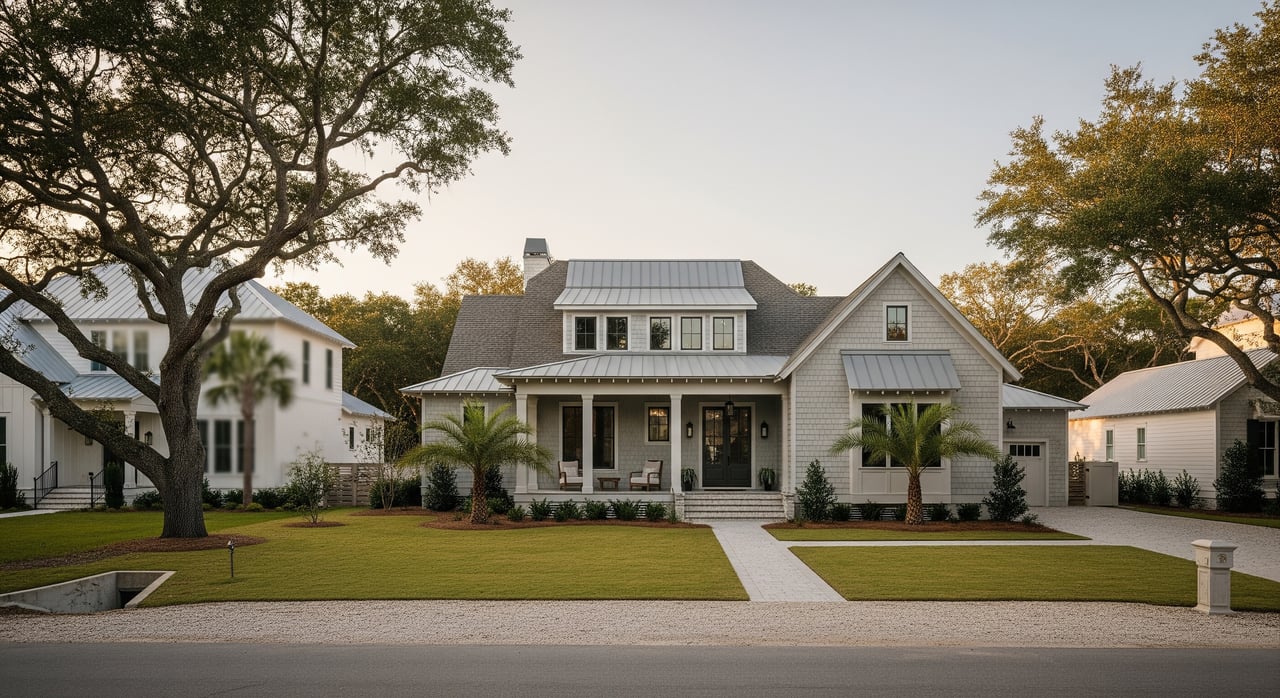
When people picture Seaside, they usually picture a detached cottage. That image is accurate, but it is only part of the story.
Seaside cottages can be smaller
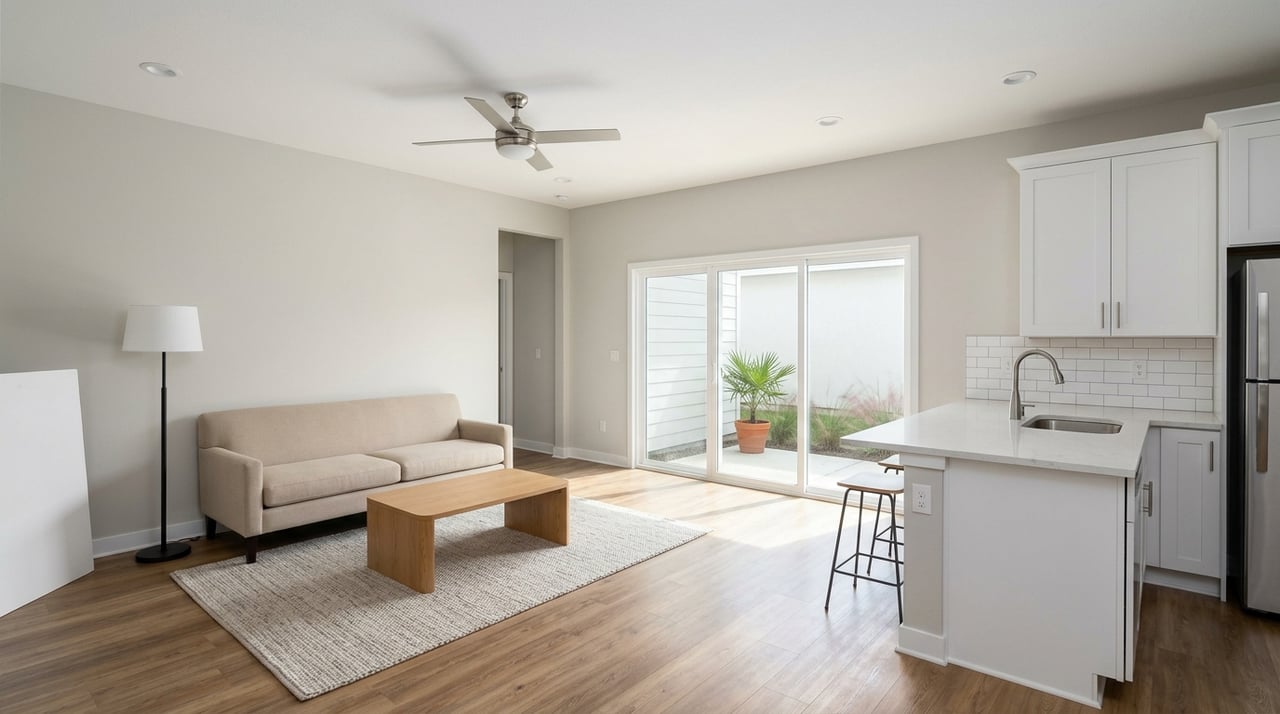
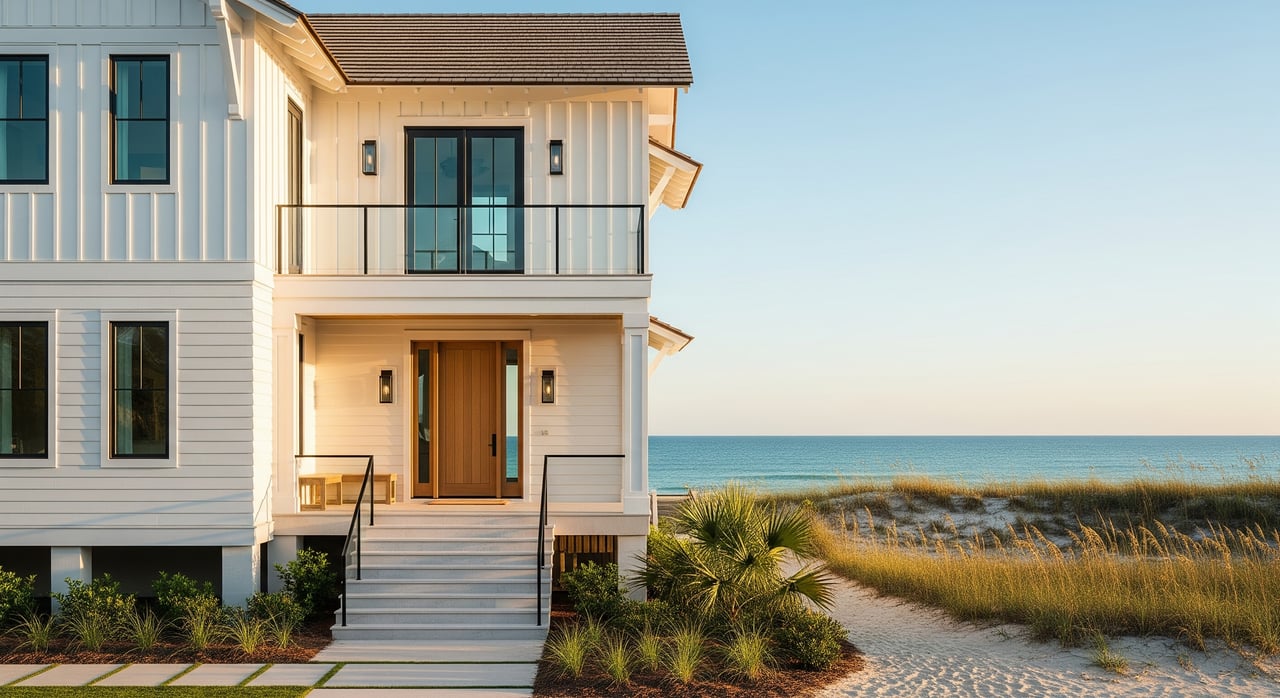
Many Seaside cottages are intentionally compact and highly individual. Seaside’s own history includes examples of early cottages around 800 square feet, which is a good reminder that square footage here may look very different from what you would expect in an inland neighborhood.
That smaller footprint is often part of the appeal. You may be trading extra interior space for walkability, design character, and immediate access to the town’s core amenities.
Not all ownership is detached
Some Seaside properties are apartments or suites above retail spaces. Seaside has highlighted residential units above Central Square businesses, and those have been used as second homes and potential rental properties.
That means your options may include more than a classic standalone cottage. If you are open to different ownership types, you may find a better fit for your budget, lifestyle, or rental goals.
Rental potential matters to many buyers
For second-home buyers, rental use is often part of the plan. In Seaside, that conversation starts with understanding how the local rental structure works.
Seaside says Homeowner’s Collection is the exclusive on-site rental company for Seaside properties and that it manages more than 190 private homes. It is owned by participating cottage homeowners, which makes it a meaningful part of the town’s ownership ecosystem.
If rental income is important to you, ask direct questions before you make an offer:
- Can this property participate in Homeowner’s Collection?
- Does the HOA allow the kind of rental use you want?
- Does the property have existing rental history?
- Are there guest or occupancy logistics you should know in advance?
A cottage that looks perfect on the surface may work very differently depending on how it is approved, managed, and used.
Amenities are part of the value
In Seaside, you are not just buying a structure. You are also buying into a specific lifestyle and amenity package.
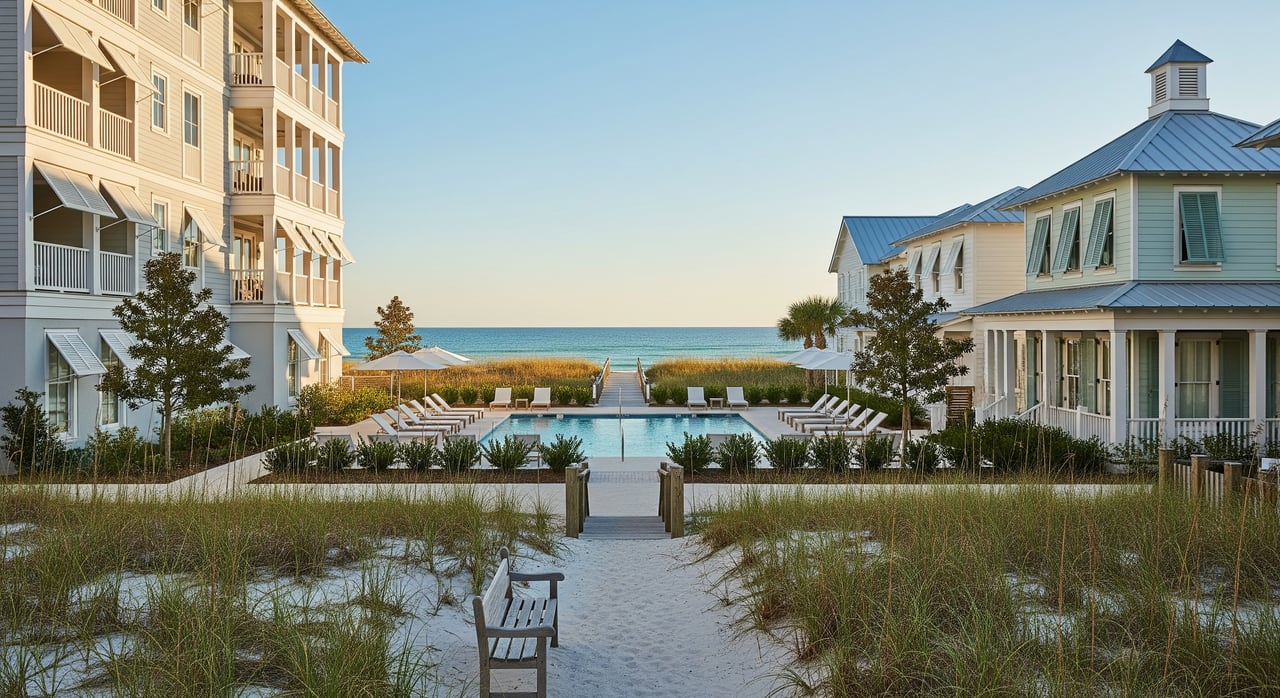
Seaside says the town has three community pools, including a heated lap pool, and that the pools are exclusive to homeowners and guests. The town also operates a fitness center and The Court, its centrally located boutique hotel near the beach and downtown.
For many buyers, those amenities help justify the premium pricing. If you plan to use the home regularly as a second home or host guests, those shared features may carry real value in your day-to-day experience.
Design rules are a major part of ownership
This is one of the biggest things to understand before you buy. Seaside is highly managed from a design standpoint, and that is not just a formality.
Seaside publishes architectural regulations that cover a wide range of exterior details, including walls, windows, doors, balconies, porches, roofs, lighting, colors, sitework, and signage. Those rules can be amended, so buyers should confirm the current version before making plans.
Exterior changes need approval
If you are thinking, “I’ll just repaint, add new lighting, or update the exterior after closing,” slow down first. Seaside’s rules state that exterior colors must be approved, and exterior light fixtures must also be approved before installation.
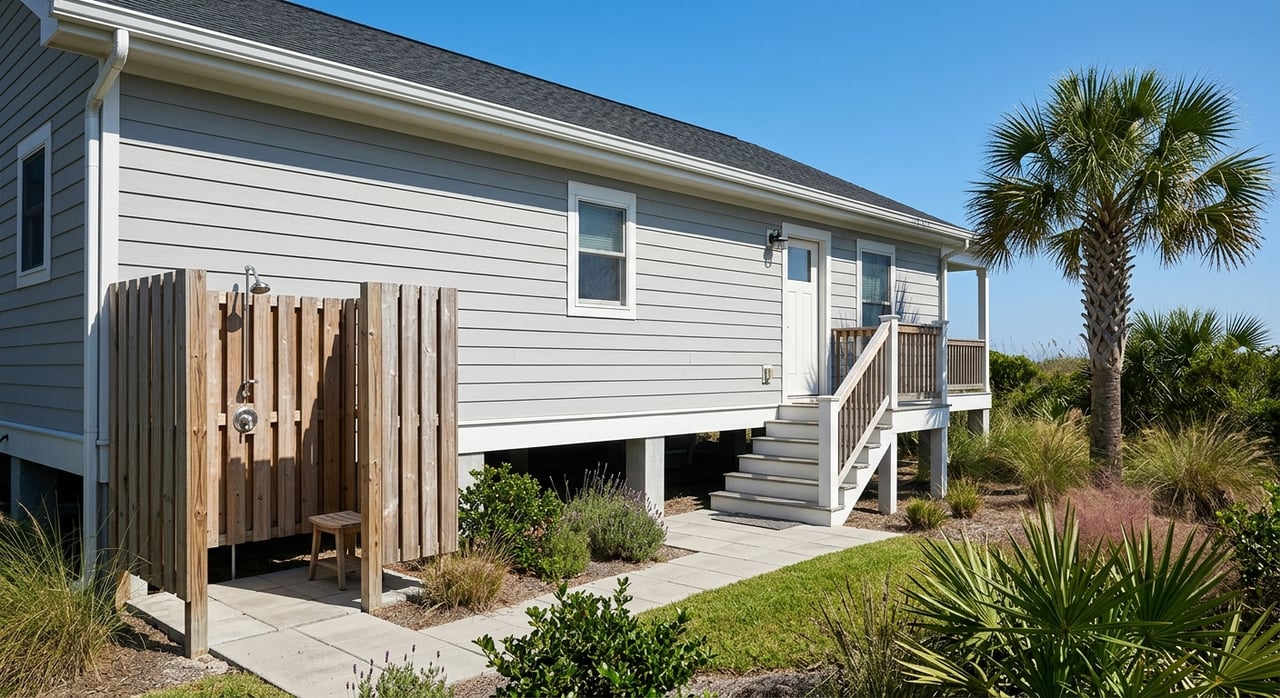
Recent SARC records show that review is active and ongoing. Meeting agendas and minutes include items like paint colors, roofs, gutters, doors, stairs, decks, outdoor showers, renovations, and new construction. Approvals may also be revised or rescinded until final approval is granted.
Landscaping rules are stricter than many buyers expect
Seaside’s sitework standards are unusually specific. Fences must be wood, paths must be sand or white clay, grass is prohibited on residential lots, pine straw is allowed, mulch is prohibited, and plants must come from Seaside’s plant list.
For some buyers, that level of consistency is a major benefit. For others, it can feel restrictive. The key is knowing which side of that equation you are on before you commit.
Private pools are heavily limited
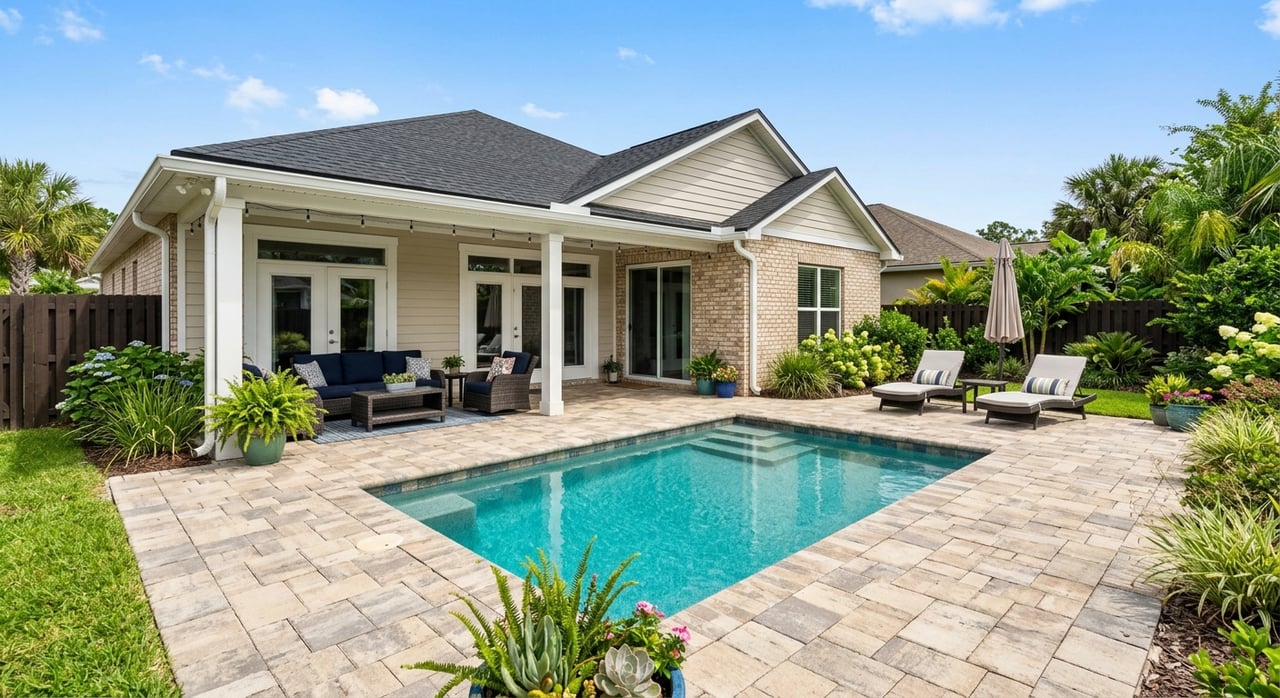
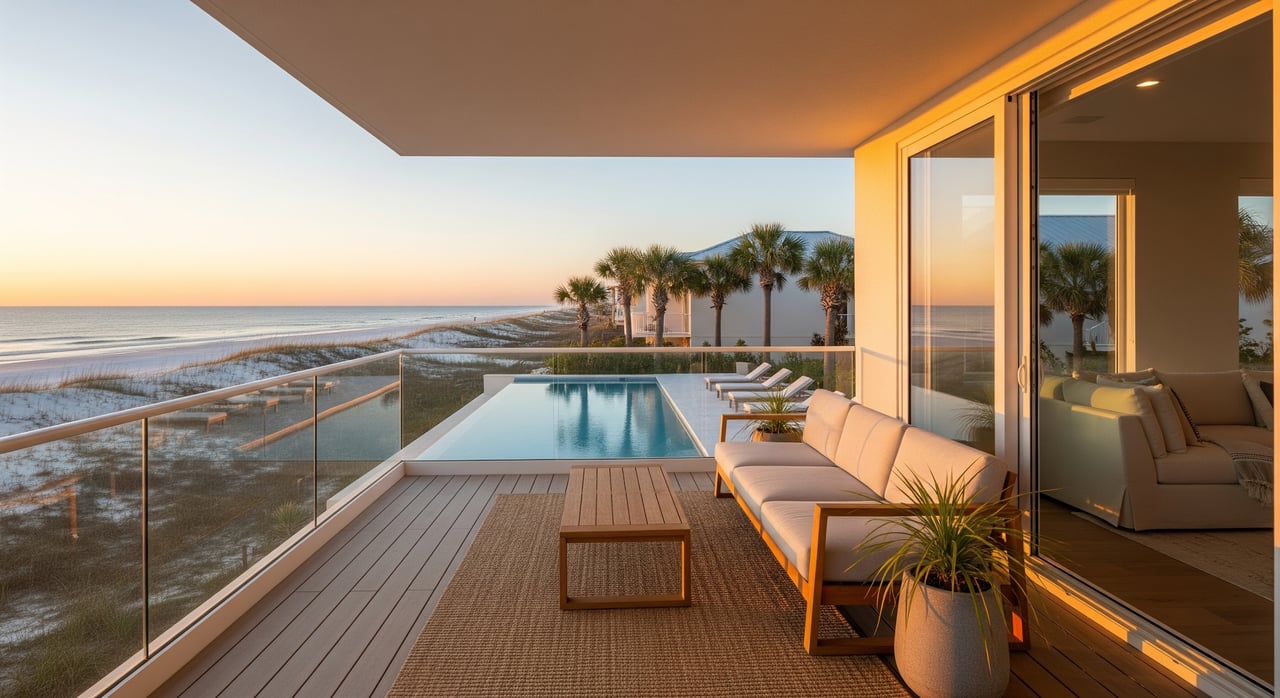
If a private pool is on your wish list, ask detailed questions early. Seaside’s regulations say pools are prohibited in the yard, in-ground pools are only allowed in the main house footprint, and above-ground pools are generally prohibited except for small temporary children’s pools.
That can affect both renovation plans and long-term value decisions. Never assume you can add features later just because you have seen them elsewhere along 30A.
Beach access is not one-size-fits-all
Many buyers assume beach access works the same way throughout Seaside. It does not.
Seaside says each street is managed by its own HOA, and beach access depends on the property’s location and HOA rules. The Coleman Pavilion serves as the central beach access point, and the town says there are nine beach pavilions along the Gulf-front edge.
Before you buy, ask exactly which pavilion or access point is tied to the property. You should also ask whether access rules differ for owners, guests, and renters, especially if you plan to share the property with family or use it as an income-producing second home.
Parking and guest use deserve attention
Guest logistics can be easy to overlook when you are focused on the charm of the home itself. In a place like Seaside, those details matter.
Seaside’s FAQ says public parking is available, but it can become more limited during peak seasons and special events. Overnight visitors typically have parking included with their rental or lodging, but that does not mean hosting is always simple during high-demand periods.
If you expect frequent visitors, ask how owner parking works, how guest parking works, and what seasonal limitations may apply. This is especially important if your purchase is meant to function as both a personal retreat and a gathering place.
Budget beyond the purchase price
The price you pay for the cottage is only part of the financial picture. In coastal ownership, taxes, insurance, and permits can shape your true monthly and annual costs.
Understand homestead rules early
If the property will be your primary residence, homestead planning should happen early in the process. Walton County’s Property Appraiser says prior owners’ exemptions do not transfer, most real-property exemptions must be filed by March 1 for the exemption year, and the initial application must be made in person.
If the home will be a second home, budget without assuming a homestead benefit. That simple distinction can affect affordability more than some buyers expect.
Flood insurance is part of coastal ownership
Flood risk should be part of your due diligence from the start. Walton County states that flood risk can come from storm surge, heavy rainfall, and topography, and that flood insurance is mandatory in high-risk areas when you have a federally backed mortgage.
The county also notes that its Class 6 Community Rating System status provides a 20% discount on new or renewing flood policies for Special Flood Hazard Area properties. That discount can help, but you should still get a property-specific insurance quote before closing so you understand the real carrying cost.
Renovation plans may trigger county review
Even modest improvements can require more review than buyers expect. Walton County says permits submitted after December 31, 2023 must comply with the 2023 Florida Building Code, and county permit guidance references both the Coastal Building Zone and wind-borne debris ordinances.
In practice, that means your renovation idea may need to satisfy both county rules and Seaside’s design review process. If you are buying with plans to remodel, expand, or update exterior elements, verify feasibility before closing whenever possible.
Questions to ask before touring
The best Seaside buyers are the ones who ask clear questions early. Before you fall in love with a cottage, make sure you understand how it functions as an asset and as a home.
Bring these questions with you:
- Which street HOA governs this property?
- Which beach pavilion or access point applies to this home?
- Is this a detached cottage, a suite, or another ownership type?
- Can it participate in Homeowner’s Collection?
- Does it already have rental history?
- What exterior changes would need SARC approval?
- What is the flood zone?
- What should I expect for flood insurance?
- Will this purchase be treated as a primary home or a second home for tax purposes?
Those answers can shape your decision just as much as the home’s finishes or location.
Is Seaside the right fit for you?
Seaside works best for buyers who want a highly walkable coastal town, consistent design, shared amenities, and a community experience that feels more curated than casual. It can also appeal to second-home buyers who value rental structure and a central location within the 30A market.
It may be a less natural fit if you want broad freedom over exterior changes or a more typical neighborhood ownership model. The charm of Seaside is real, but so is the structure behind it.
If you want help evaluating a Seaside cottage with clear eyes, local context, and a strong strategy, connect with Chris Schultz. You will get straightforward guidance on the property, the rules, and how it fits your goals before you make a move.
FAQs
What makes buying in Seaside different from buying in another 30A neighborhood?
- Seaside is a highly curated New Urbanist town with active design review, street-specific HOA rules, walkable planning, and a more structured ownership experience than many typical beach subdivisions.
What types of homes can you buy in Seaside?
- You may find detached cottages, compact original homes, and some residential suites or apartments above retail, depending on current inventory.
Can a Seaside cottage be used as a rental property?
- Some properties may participate in Seaside’s Homeowner’s Collection rental program, but you should confirm eligibility, HOA rules, and rental history for each specific property.
Do Seaside homeowners have to follow design rules?
- Yes. Seaside’s architectural regulations and SARC review process can apply to items like paint colors, lighting, roofs, decks, doors, landscaping, and other exterior changes.
How does beach access work for Seaside properties?
- Beach access depends on the property’s street location and HOA rules, so you should verify which pavilion or access point applies to the home you are considering.
What extra costs should buyers plan for in Seaside?
- In addition to the purchase price, buyers should plan for property taxes, possible flood insurance, and any permit or approval costs tied to future improvements.
Can you add a private pool to a Seaside cottage?
- Seaside’s rules are restrictive. Pools are prohibited in the yard, in-ground pools are only allowed within the main house footprint, and above-ground pools are generally prohibited except for small temporary children’s pools.