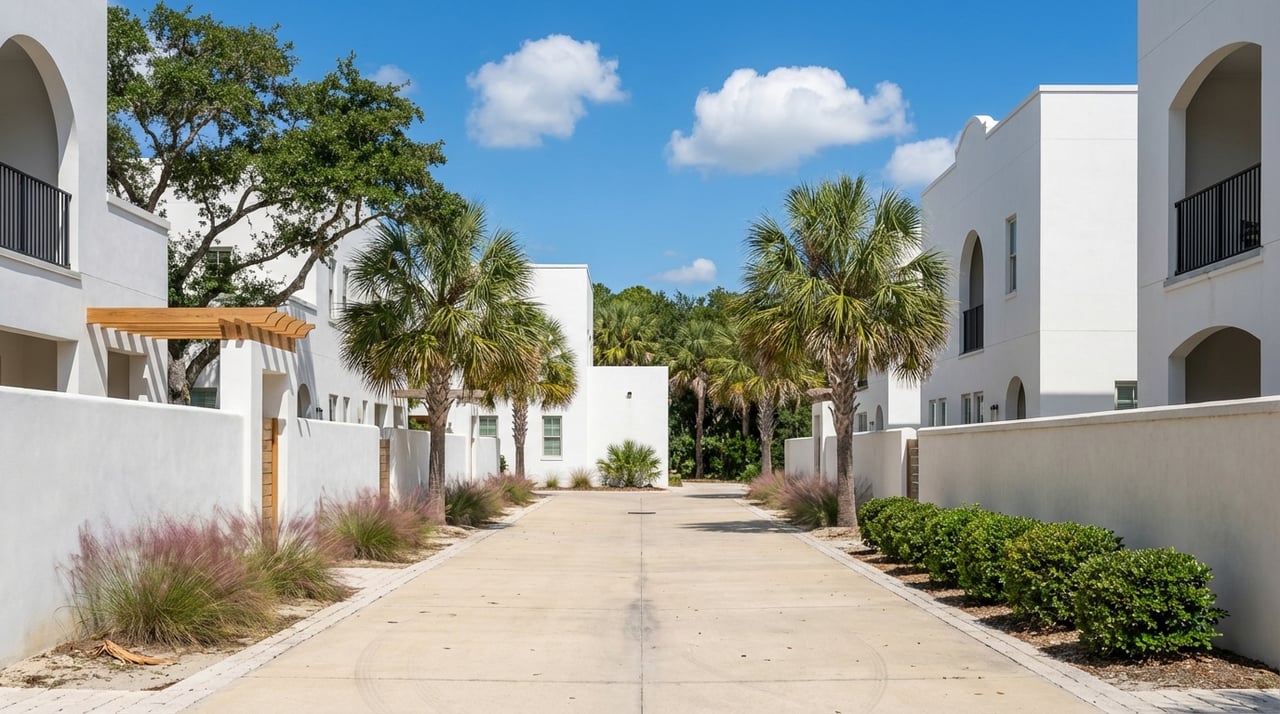
Buying a condo on Pensacola Beach can feel simple at first glance. You find a unit you like, picture the Gulf views, and start thinking about closing day. But on Santa Rosa Island, a smart condo purchase depends less on the showing and more on the building’s documents, insurance setup, and financing path. If you want to buy with confidence, this guide will walk you through what to check before you commit. Let’s dive in.
Start With Financing First
Before you tour too many condos, decide how you plan to use the property. Will it be your primary home, a second home, or an investment property? That answer affects both your loan options and the type of condo project that may work for you.
If you are using conventional financing, project eligibility matters early. Fannie Mae’s condo project guidance notes that lenders must evaluate the condo project, and problems like critical repairs, inadequate insurance, significant litigation, or hotel-like short-term rental operations can make a project ineligible.
If you are using a VA loan, confirm that the condo is in a VA-approved project before you get too far. The VA purchase loan page states that eligible buyers can purchase a condo in a VA-approved project. This step is especially important for military households working on a move timeline.
A preapproval should come before writing offers, not after. On Pensacola Beach, it is also wise to pair preapproval with a project-level review so you do not spend time and money chasing a unit in a building that may not fit lender standards.
Know Why Pensacola Beach Is Different
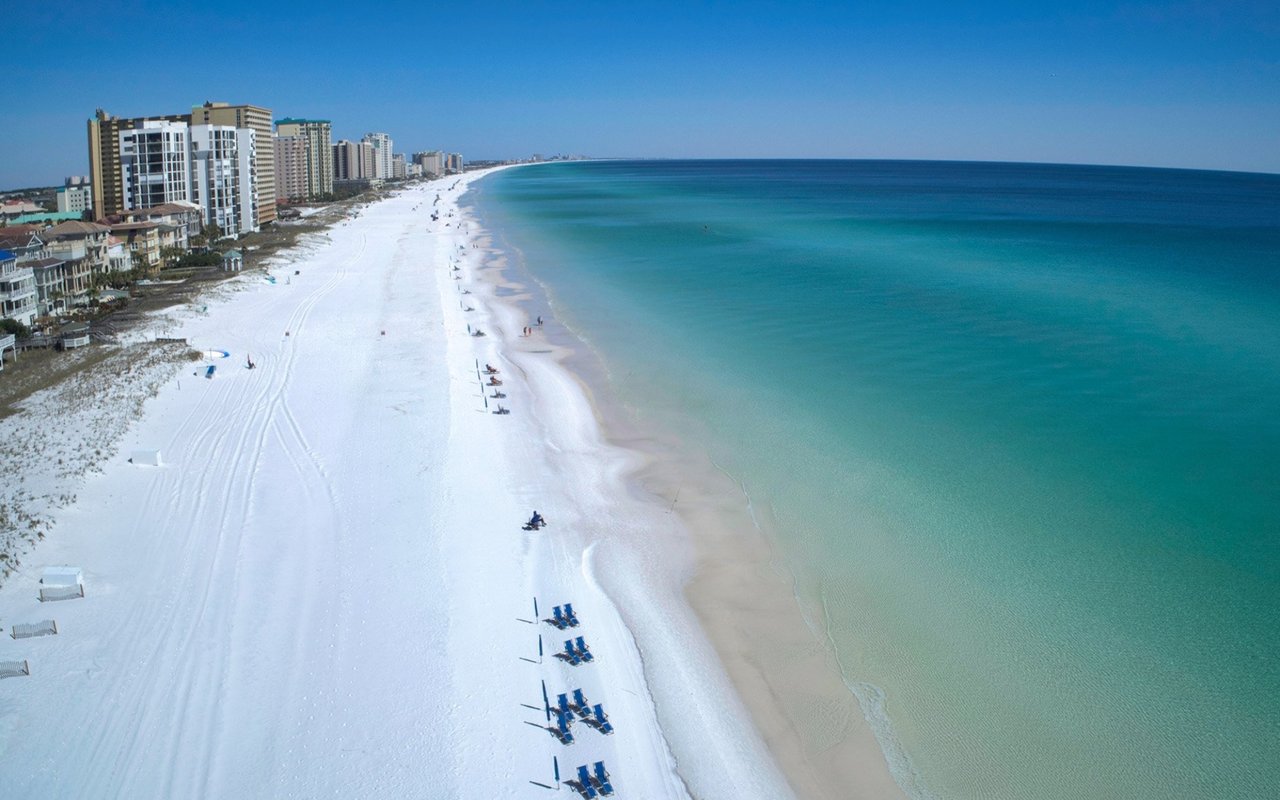
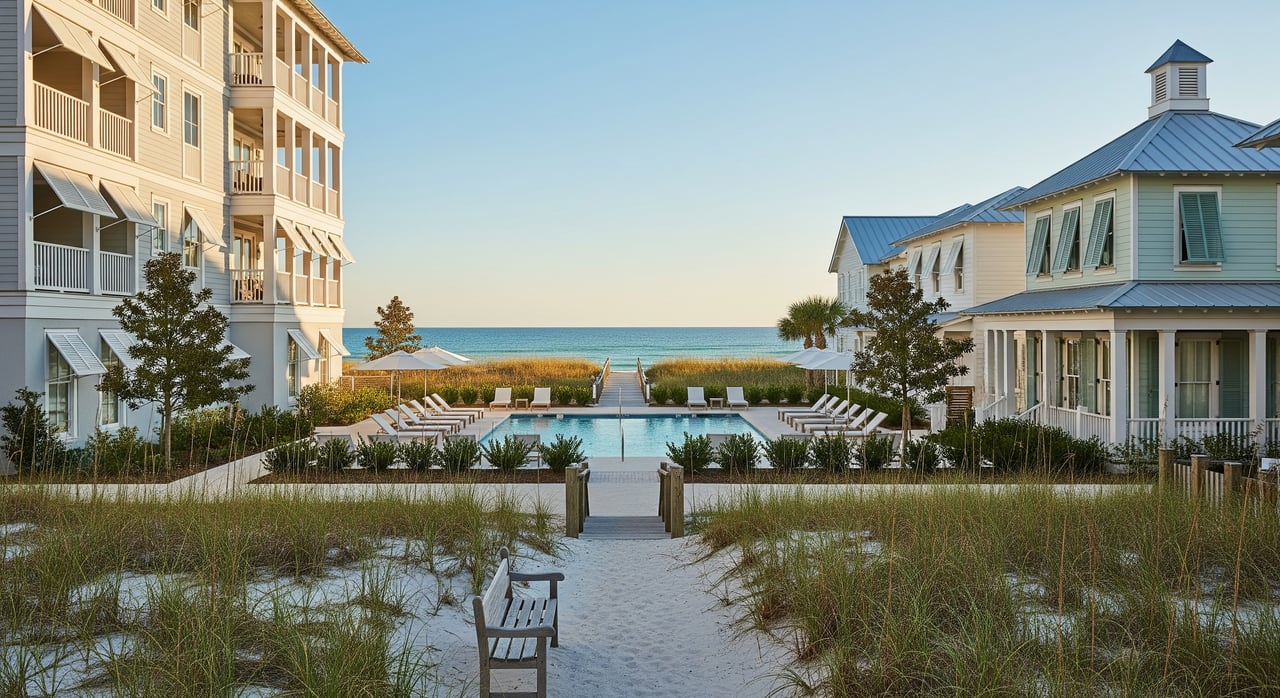
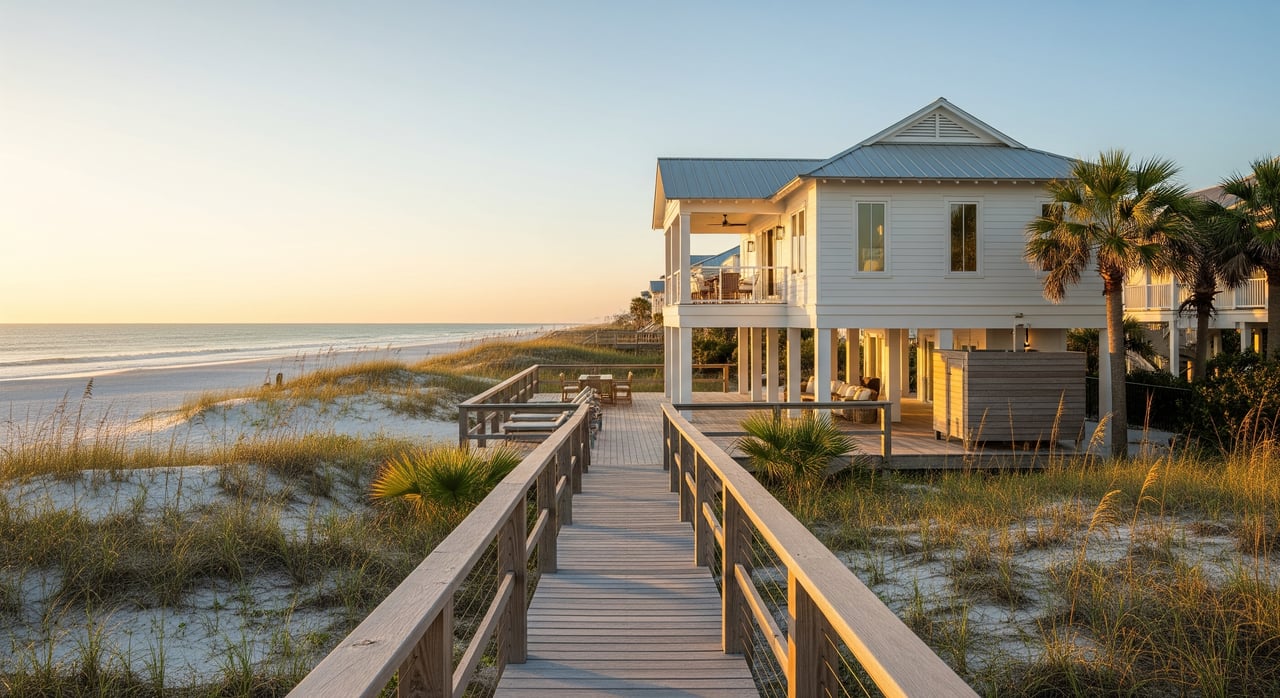
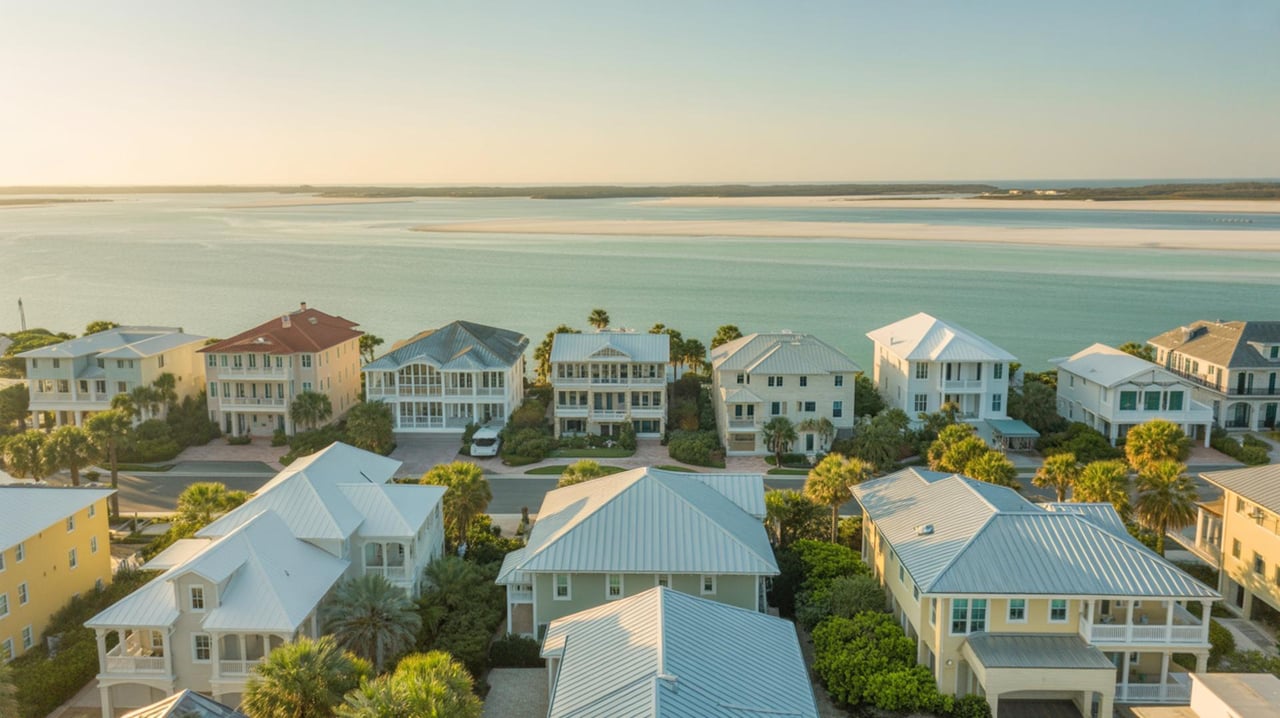
Pensacola Beach sits on Santa Rosa Island, and that coastal setting changes the condo-buying process. Local research, flood review, and building-level due diligence matter more here than they might in many inland markets.
The area is administered by the Santa Rosa Island Authority, and buyers often use Escambia County GIS tools and local flood resources to review parcel information, zoning, land use, and nearby flood-related data. That extra homework can help you catch issues early, especially when you are comparing multiple condo buildings.
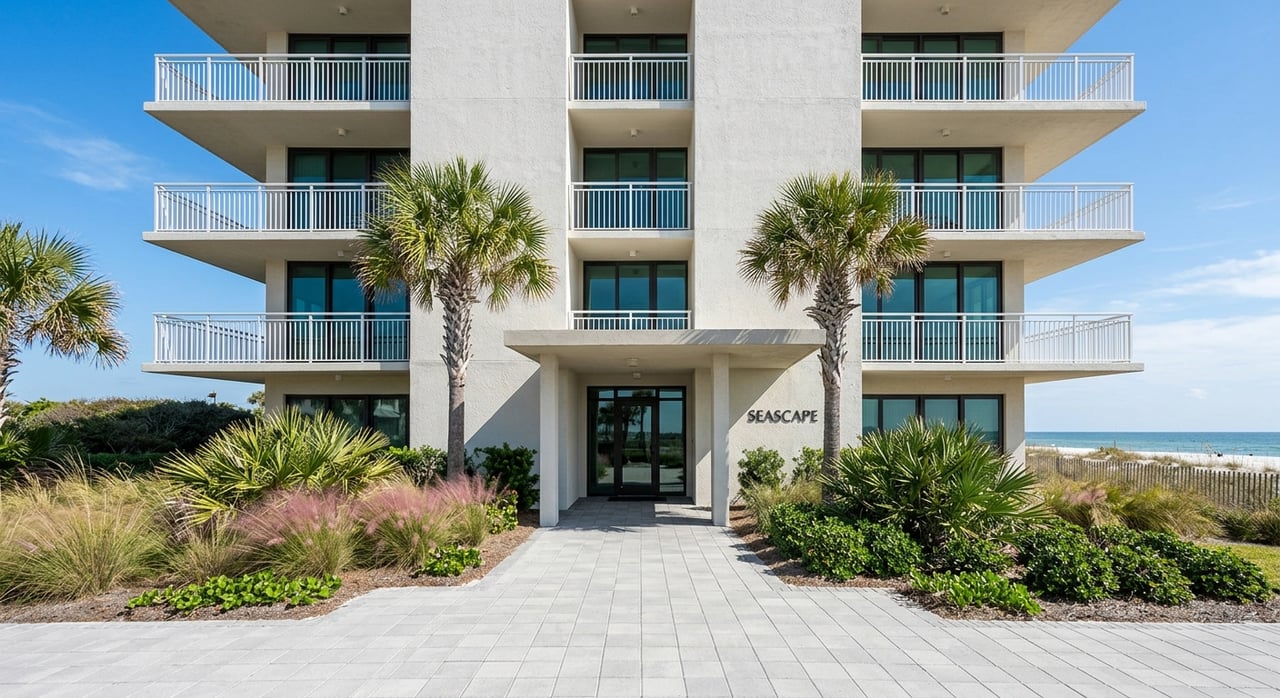
In practical terms, buying here means you should think beyond the unit itself. You are also evaluating the association, the building’s maintenance and reserve planning, and the insurance profile tied to a coastal location.
Review Condo Documents Carefully
In a Florida condo resale, the seller must provide key association documents. Under Florida Statute 718.503, that package generally includes the declaration, articles, bylaws and rules, annual financial statement and budget, and the FAQ document. If applicable, it also includes the milestone summary, most recent structural integrity reserve study, and turnover inspection report.
Once you receive the required documents, you generally have 7 days to cancel the contract. That short review window is one reason buyers should request documents as early as possible and read them with care.
This is where a condo purchase can either get stronger or fall apart. The documents can reveal whether the building is financially stable, whether reserve funding looks adequate, and whether rules on rentals, pets, parking, or guests fit your plans.
Questions To Ask In The Document Review
As you review the association package, focus on practical questions like these:
- Are reserves being funded properly?
- Are there recurring or upcoming special assessments?
- Do rental rules match how you want to use the condo?
- Are there pet, parking, or guest restrictions that could create problems?
- Is there any pending litigation or evidence of major repair concerns?
Florida law also requires associations to maintain a wide range of official records, including budgets, financial reports, minutes, rules, contracts, and reserve studies. Florida’s condominium statute makes clear that these records are central to understanding the health of the association.
Check Milestone Inspections And Reserve Studies
For many Pensacola Beach condos, structural review is not optional due diligence. Florida requires milestone inspections for condo buildings that are 3 or more habitable stories and generally by the time the building turns 30 years old, with repeat inspections every 10 years after that. In some cases, buildings near salt water may face an earlier 25-year schedule under Florida’s milestone inspection law.
The association must also provide owners with the inspector-prepared summary within 45 days after receipt and post it. For buyers, that summary can offer important insight into whether the building has signs of substantial structural deterioration.
Florida also requires many residential condo associations with buildings 3 or more stories to maintain a structural integrity reserve study, often called a SIRS. According to Florida condominium law, the study must address major components such as the roof, structure, fire protection, plumbing, electrical, waterproofing and exterior painting, and windows and exterior doors.
For a buyer, the key issue is simple: Has the building completed its required inspections and reserve study, and does the budget reflect what those findings mean? If not, you need to understand whether costs may be pushed into future assessments or financing complications.
Understand Rental Rules Before You Buy
Many buyers look at Pensacola Beach condos with a second-home or investment mindset. That makes rental restrictions one of the most important parts of your due diligence.
The first question is whether the declaration allows short-term rentals, long-term rentals, or no rentals at all. The second question is whether your lender is comfortable with that type of project. Fannie Mae’s guidance specifically flags hotel or motel style operations and daily or short-term rental activity as potential eligibility issues.
That means a condo can look attractive from an income standpoint but still create financing trouble. If rental use is part of your plan, confirm both the association rules and the lender’s project requirements before you move forward.
Budget For Insurance And Flood Risk
On Pensacola Beach, insurance is a front-end issue, not a last-minute item. In Florida, condo owners typically need an HO-6 policy. The Florida Chief Financial Officer’s homeowners insurance toolkit explains that an HO-6 policy may cover personal property, liability, and certain interior items not covered by the association’s master policy.
That same resource notes that the association’s master policy may not cover many interior items such as floor coverings, appliances, cabinets, and window treatments. It also says the HO-6 must include at least $2,000 of loss-assessment coverage.
Flood coverage is a separate question. The official FEMA Flood Map Service Center is the public source for flood hazard information, and FEMA notes that flood insurance is available for condos. FEMA also states that federally backed lenders require flood insurance in high-risk flood areas, and NFIP policies typically have a 30-day waiting period unless an exception applies.
For local review, Escambia County also provides flood plain management resources. On a barrier island purchase, you should price out HO-6, flood, and any lender-driven insurance requirements before your budget gets locked in.
Plan For Condo-Specific Closing Costs
Condo purchases often come with fees that buyers do not see in many single-family home transactions. One common example is the estoppel certificate, which helps confirm amounts owed to the association and other account details.
The Florida Department of Business and Professional Regulation currently lists estoppel certificate preparation and delivery at up to $299, with an expedited fee of $119 and an added delinquency fee of up to $179 in certain cases. DBPR also lists transfer fees of $150 per applicant in its estoppel and transfer fee schedule.
These costs may not be the largest part of your closing statement, but they should still be part of your upfront planning. It is always better to know the condo-specific fees before you are days away from closing.
Use Local Tools During Due Diligence
A Pensacola Beach condo purchase usually runs more smoothly when your research starts early and stays organized. Escambia County’s GIS page can help you check flood zones, evacuation routes, zoning, land use, and parcel data.
That matters because title, insurance, and building-level questions often overlap in a coastal market. If you are comparing buildings, these public tools can help you understand location-specific issues that may affect underwriting, insurance, and your comfort level as a buyer.
This is also where having a hands-on local agent makes a difference. Coordinating the lender, title company, insurance quotes, document delivery, inspections, association questions, and deadlines is a big part of keeping a Florida condo purchase on track.
A Smart Buying Order To Follow
If you want a simple roadmap, follow this order:
- Decide how you will use the condo.
- Get preapproved with that use in mind.
- Confirm project eligibility with your lender.
- Review condo documents as early as possible.
- Verify milestone inspection and reserve study status.
- Price out HO-6 and flood insurance.
- Review estoppel, transfer fees, and closing costs.
- Move to closing only after the association, insurance, and lender pieces make sense.
On Pensacola Beach, this process protects you from surprises. A beautiful unit is not enough if the building’s finances, inspections, or insurance profile create long-term risk.
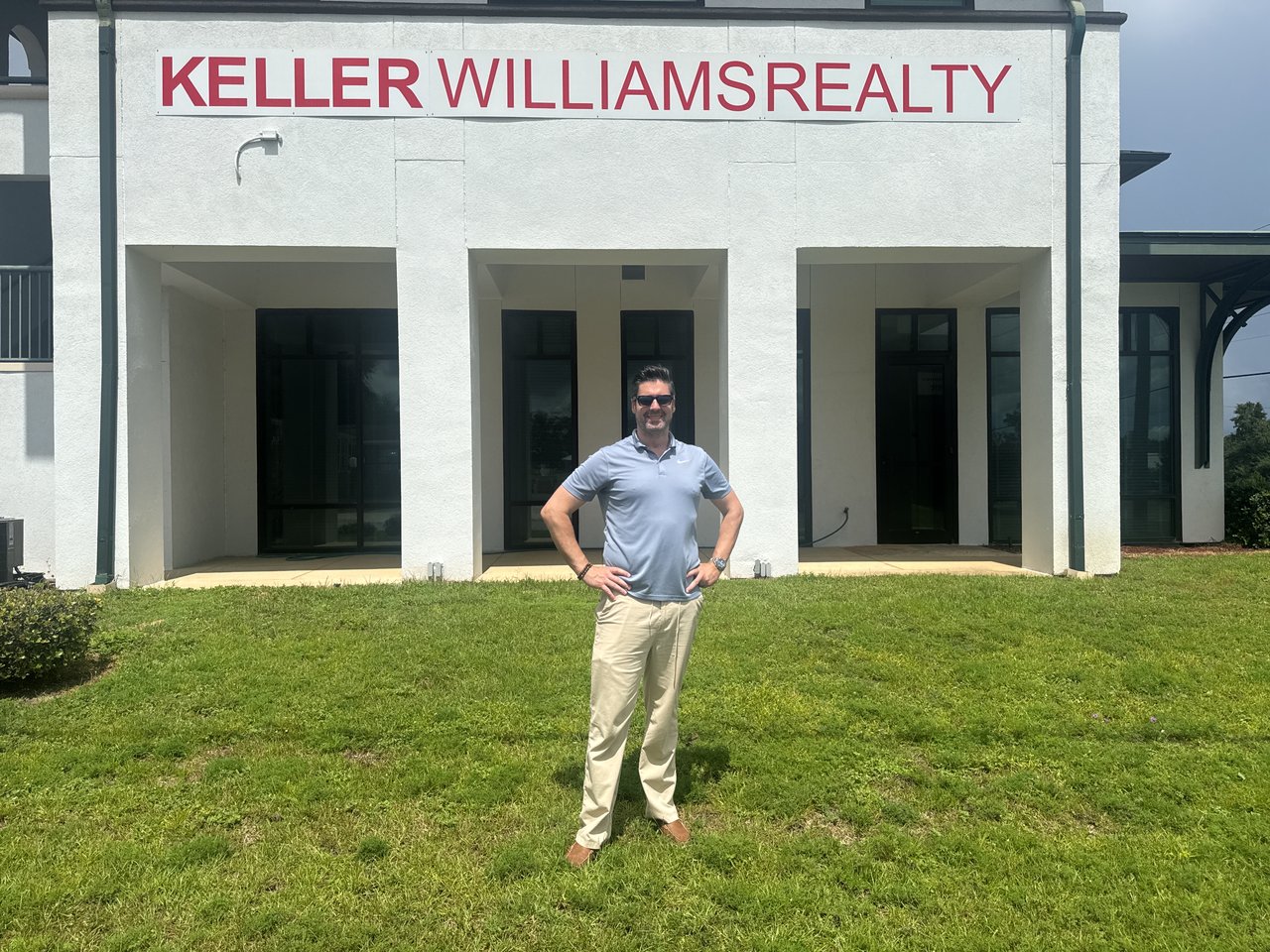
If you are thinking about buying a condo on Pensacola Beach, having a steady local guide can make the process much easier. Chris Schultz helps buyers navigate coastal purchases with clear communication, strong local insight, and full-service support from search to closing.
FAQs
What documents do you need to review when buying a Pensacola Beach condo?
- In a Florida resale, buyers should review the declaration, articles, bylaws and rules, annual financial statement and budget, FAQ document, and if applicable, the milestone summary, structural integrity reserve study, and turnover inspection report.
How long do you have to cancel after receiving Florida condo documents?
- Under Florida resale condo rules, you generally have 7 days after receiving the required documents to cancel the contract.
Can you use a VA loan to buy a condo on Pensacola Beach?
- Yes, if you are eligible and the condo is located in a VA-approved project.
Do Pensacola Beach condo buyers need flood insurance?
- Flood insurance may be required if the property is in a high-risk flood area and the loan is federally backed, so buyers should check FEMA maps and lender requirements early.
What does an HO-6 policy cover for a Florida condo owner?
- An HO-6 policy generally covers personal property, liability, and certain interior items not covered by the association’s master policy, subject to the policy terms.
Why do milestone inspections matter when buying a Florida beach condo?
- Milestone inspections help buyers understand whether a building has identified structural concerns and whether future repair costs or assessments may affect ownership.
Can a Pensacola Beach condo be used as a short-term rental?
- Maybe, but you need to verify both the condo association’s rental rules and your lender’s project eligibility standards before you buy.