Thinking about selling your Fort Walton Beach home but not sure when to list? Timing can make a real difference in how fast you sell and how confidently you negotiate. In our coastal market, buyer activity follows clear seasonal patterns, with extra lift from military moves and vacation demand. This guide shows you exactly how to use that seasonality to your advantage, when to go live for a faster sale, and how to prepare on a realistic timeline. Let’s dive in.
Why timing matters in Fort Walton Beach
Fort Walton Beach sits at the intersection of several demand drivers. Eglin Air Force Base and Hurlburt Field generate year-round moves from active duty, civilian staff, and contractors. Seasonal visitors and second-home buyers add waves of interest as spring approaches and summer nears. Tourism picks up in late winter and spring, and many buyers want to be settled by summer.
Weather and insurance also play a role. The Atlantic hurricane season runs June through November, which can influence buyer sentiment, inspections, and underwriting timelines. In some years, wind and flood insurance availability or costs can narrow the buyer pool for certain properties, especially older homes or those in higher-risk flood zones.
The best months to list for a faster sale
Across Gulf Coast resort communities with steady military demand like Fort Walton Beach, the strongest buyer activity usually runs from late winter through spring. Based on multi-year seasonal patterns, your prime window to minimize days on market typically falls between late January and April. Listing early in that range helps you ride the surge in search activity and gives buyers room to complete inspections and financing before summer.
To choose the exact week, look at three signals for the same months across several years: median days on market, absorption rate, and list-to-sale price ratio. Months with consistently lower days on market and higher absorption tend to deliver faster, cleaner deals. In many years, that means hitting buyer searches in February and March so your showings peak in March and April.
If speed is your top priority
- Aim to list in February or early March.
- Launch with strong presentation and a competitive price to capture early offers during the first two weekends.
- Keep showings flexible and paperwork ready so you can move from offer to contract quickly.
If maximizing your net price is the priority
- List in early spring with a clear pricing strategy built on a current CMA and seasonal context.
- Position your price to drive traffic and encourage multiple offers, then use clear timelines for best-and-final decisions if activity supports it.
- Consider small strategic concessions, such as a credit for minor items, to keep negotiations on track while protecting your net.
Planning backward from your target closing
If you want to close before summer, plan for a typical 30 to 60 days from contract to close. Work backward from your desired closing date to pick your list date. For example, a June closing often requires an April or even late March launch so you have time for showings, inspections, appraisal, and underwriting.
How seasonality plays out through the year
- Spring strength: Late February through May tends to bring the most active pool of buyers. Families and second-home buyers plan for summer occupancy, and military relocations add steady demand.
- Summer shift: Rental season peaks, and more owners list to catch summer traffic. Inventory can rise, which may lengthen days on market compared with spring.
- Late summer to fall: Activity can slow as storms, insurance reviews, and school calendars weigh on timing. Some buyers still transact, but the pool is smaller.
- Winter baseline: Winter brings a steady but smaller pool of buyers, including snowbird purchasers and off-cycle relocations. Well-prepared homes still sell, especially if competition is light.
Condo vs single-family timing
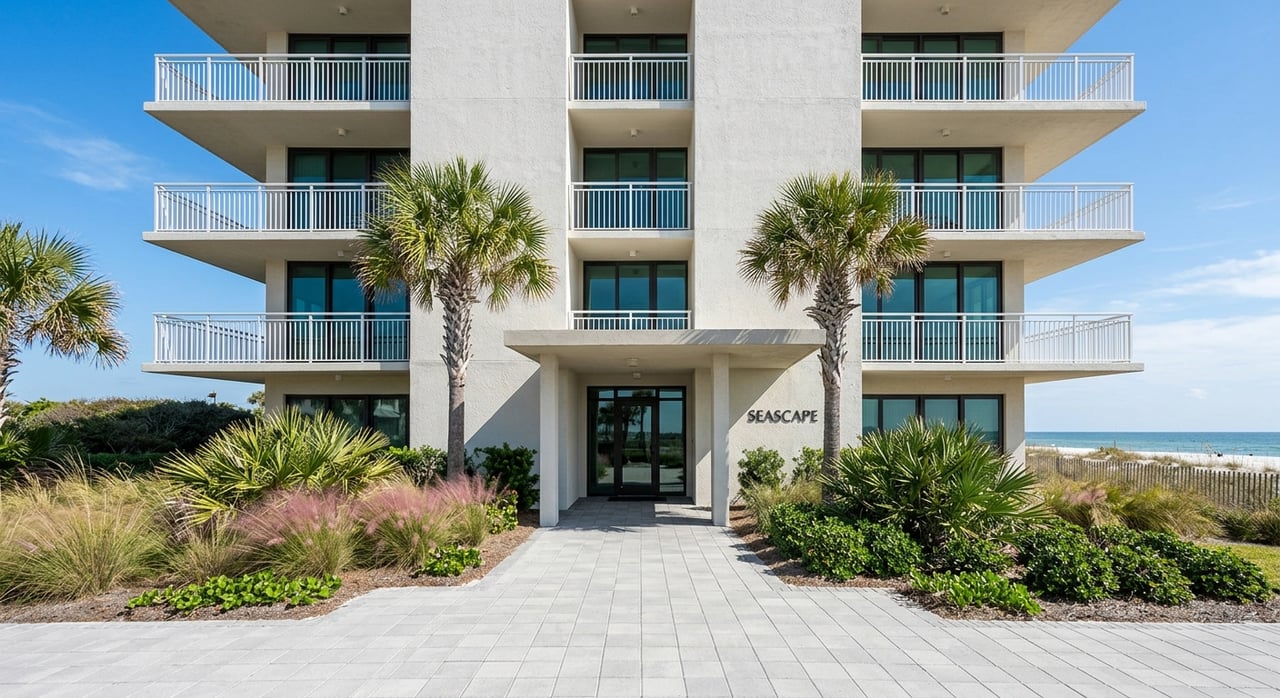
Condo sales often track rental and vacation calendars. Spring can be a sweet spot for second-home and investor interest, especially if buyers want summer occupancy or rental income. HOA rules, special assessments, and insurance requirements can affect timelines, so gather documents early.
Single-family homes serve a broad audience, including local families and military households. Spring still performs well, but well-priced homes can sell any time if they show cleanly, are easy to tour, and align with buyer timelines.
Your 12-week prep plan for a March to April sale
Use this simple plan to hit the spring window without last-minute stress.
Weeks 10 to 12
- Walk-through with your agent to build a prioritized repairs punch list.
- Book contractors for roof, HVAC, paint, or exterior work. Busy seasons can mean longer lead times.
- Gather key documents: deed, HOA rules, warranties, past utility bills, and any recent insurance or inspection reports.
Weeks 6 to 8
- Complete repairs and deep cleaning.
- Declutter and stage light. Refresh curb appeal with landscaping and pressure washing.
- If you want fewer surprises later, schedule a pre-listing inspection now.
Weeks 4 to 6
- Schedule professional photography, floor plans, and virtual tour. Choose a day with good light.
- Begin pre-marketing to build early interest, including outreach to relocation networks.
- Finalize a pricing strategy using a current CMA plus seasonal context and your goals.
Weeks 1 to 3
- Launch on a high-visibility day so you capture weekend traffic. Many sellers target a Thursday list date.
- Stack your first two weeks with open houses and early showings.
- Have disclosures, HOA packets, and inspection documents ready to speed negotiations.
Pricing strategy that fits your goals
Your pricing conversation should connect market data to your objectives. Review 6 to 12 comparable sales from the last 30 to 90 days, plus current actives and pendings. If multi-year data shows a seasonal premium in spring, factor that into your pricing position.
Tactics that support speed include pricing just under key search thresholds and setting clear offer deadlines once interest is proven. Tactics that support net price include strategic staging, thoughtful pricing bands, and a plan for multiple-offer handling, such as escalation clauses or best-and-final timelines. Decide ahead of time how you will handle concessions, inspection items, and backup offers.
Hurricane season and insurance considerations
If you are thinking about waiting until after hurricane season, weigh the trade-offs. Spring usually offers the strongest buyer pool and shorter days on market. Listing during hurricane season can still work, but you may face more weather-related delays, underwriting questions, or inspection rechecks. Reduce friction by:
- Clarifying flood zone status and recent insurance claim history.
- Sharing wind mitigation and four-point inspections if available.
- Discussing insurance options and timelines with your agent and buyer’s lender early.
Military relocations and your timing
Permanent Change of Station moves create predictable waves of demand in our area. Even outside peak months, Fort Walton Beach benefits from steady military-related activity. If your goal is a faster sale, align your launch with the broader spring surge and be ready for time-sensitive buyers who need quick showings, clear disclosures, and responsive communication. Your preparation and pricing will do as much as timing to keep your days on market low.
What to track if you want the data
If you love data, ask your agent for a multi-year, month-by-month view of:
- Median days on market
- Closed sales, new listings, and active inventory
- Months of inventory and absorption rate
- Median list and sale prices
- List-to-sale price ratio
The most reliable approach is to evaluate at least three to five years of monthly data, calculate averages for each month, and look for consistent patterns. Exclude or flag outlier years, such as the height of the pandemic. Segment by property type and price band so you do not let condo dynamics skew your single-family plan or vice versa.
The bottom line for Fort Walton Beach sellers
For most homeowners in Fort Walton Beach, the best time to sell for speed is late January through April. That window aligns with rising spring demand from local families, military moves, and second-home buyers. If you want a pre-summer closing, work backward from your ideal move date, follow the 12-week prep plan, and launch with polished marketing and a price that fits your goals. Doing those things well matters just as much as timing and puts you in position to say yes to the right offer fast.
Ready to map out your timing and pricing? Get a data-driven plan tailored to your home and neighborhood with Chris Schultz.
FAQs
When is the best time to list a home in Fort Walton Beach for a quick sale?
- Late January through April typically captures the strongest buyer activity and the shortest days on market, based on multi-year seasonal patterns in coastal Panhandle markets.
Should I wait until after hurricane season to sell in Fort Walton Beach?
- Not necessarily. Spring often delivers a stronger buyer pool and faster timelines. If you list during hurricane season, plan ahead for inspections, underwriting, and potential weather delays.
How do military PCS cycles affect my sale timing in Fort Walton Beach?
- Military relocations create steady, year-round demand with predictable spikes. Listing in spring helps you serve time-sensitive buyers while benefiting from broader market activity.
Does timing differ for condos versus single-family homes in Fort Walton Beach?
- Yes. Condos often track vacation and rental calendars, making spring a strong window. Single-family homes also perform well in spring, but good preparation and pricing can drive results year-round.
What timeline should I expect from contract to close in Fort Walton Beach?
- Plan for roughly 30 to 60 days from contract to close, allowing time for inspections, appraisal, and lender underwriting.
What preparation speeds up my sale the most in Fort Walton Beach?
- Complete repairs early, stage and photograph professionally, price strategically, and have disclosures, HOA packets, and inspection documents ready at launch.