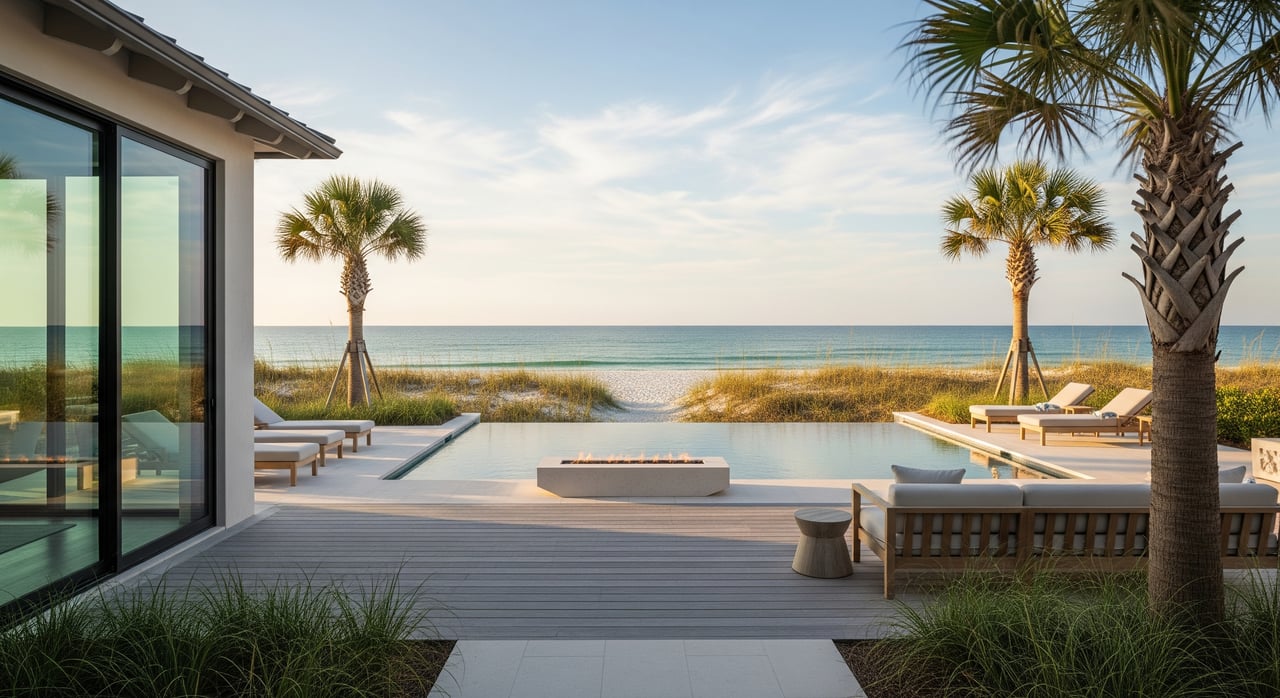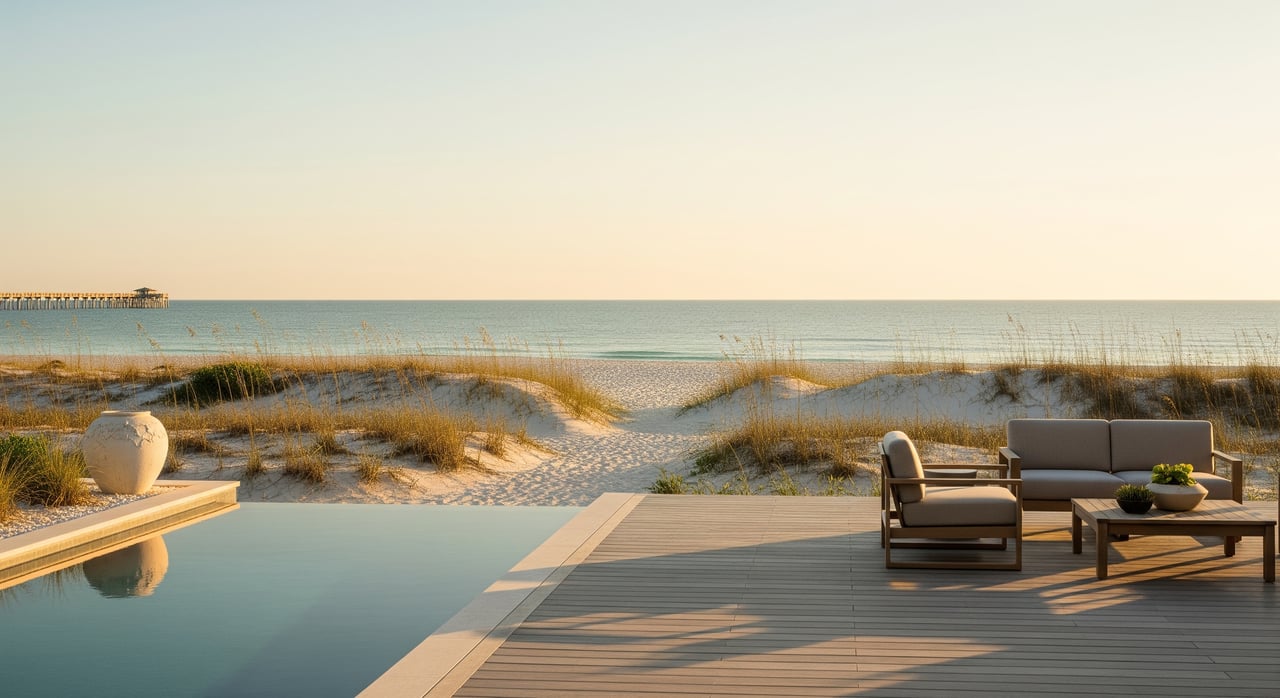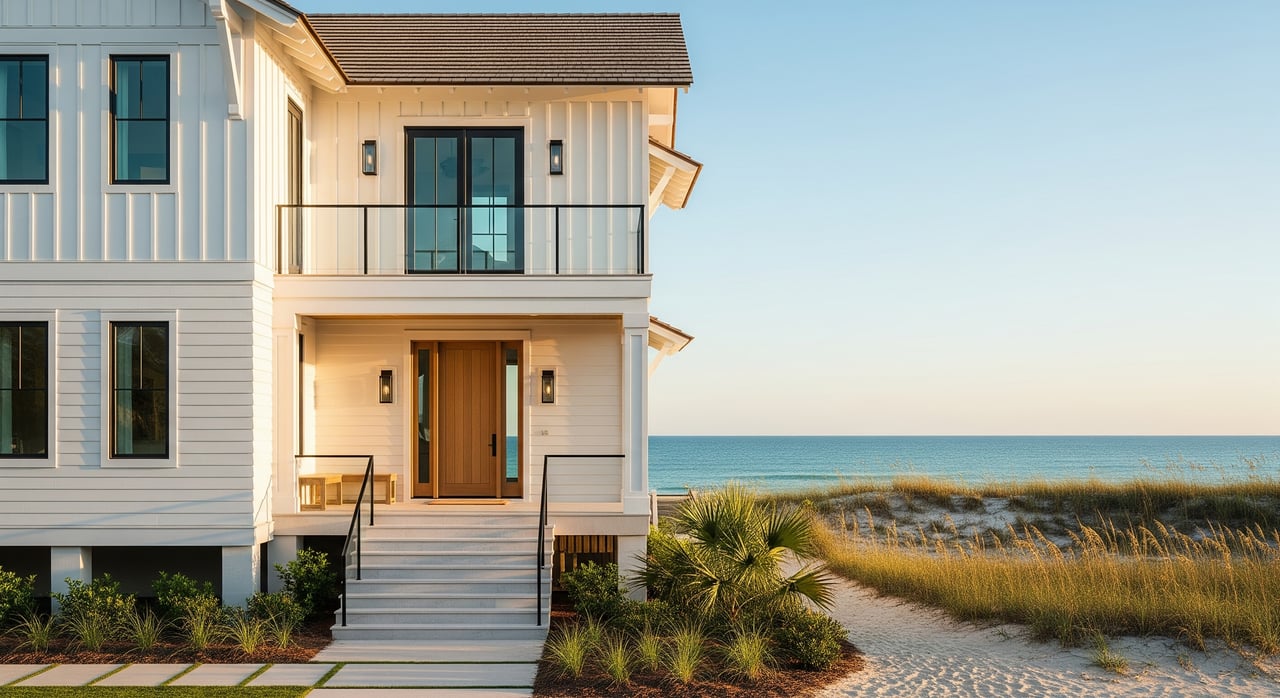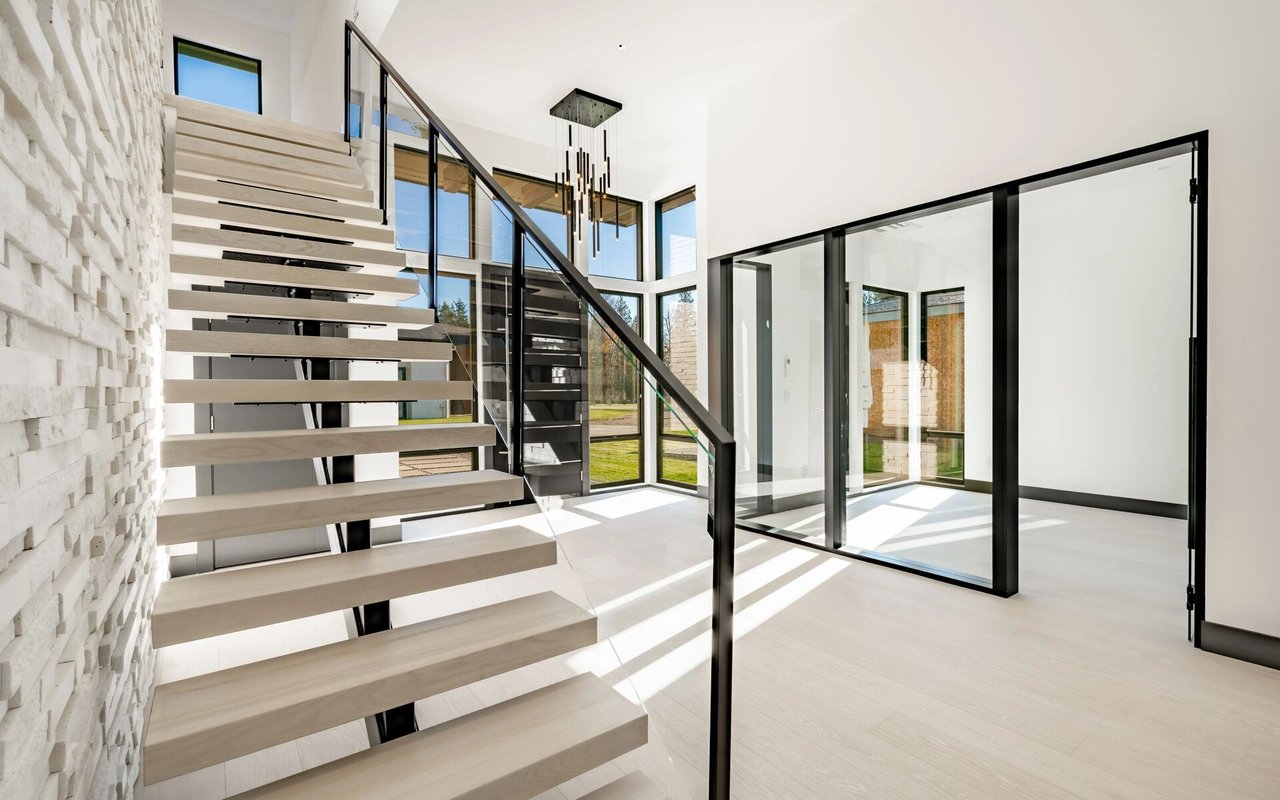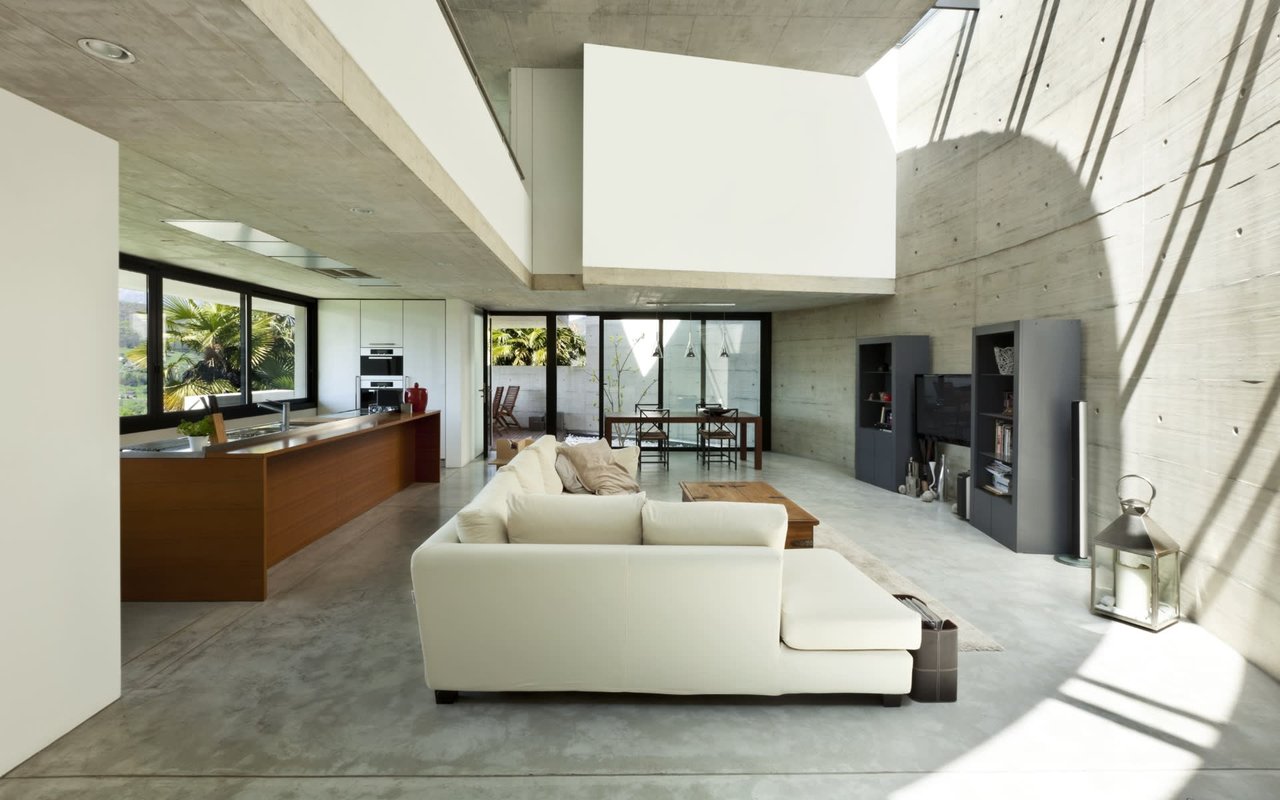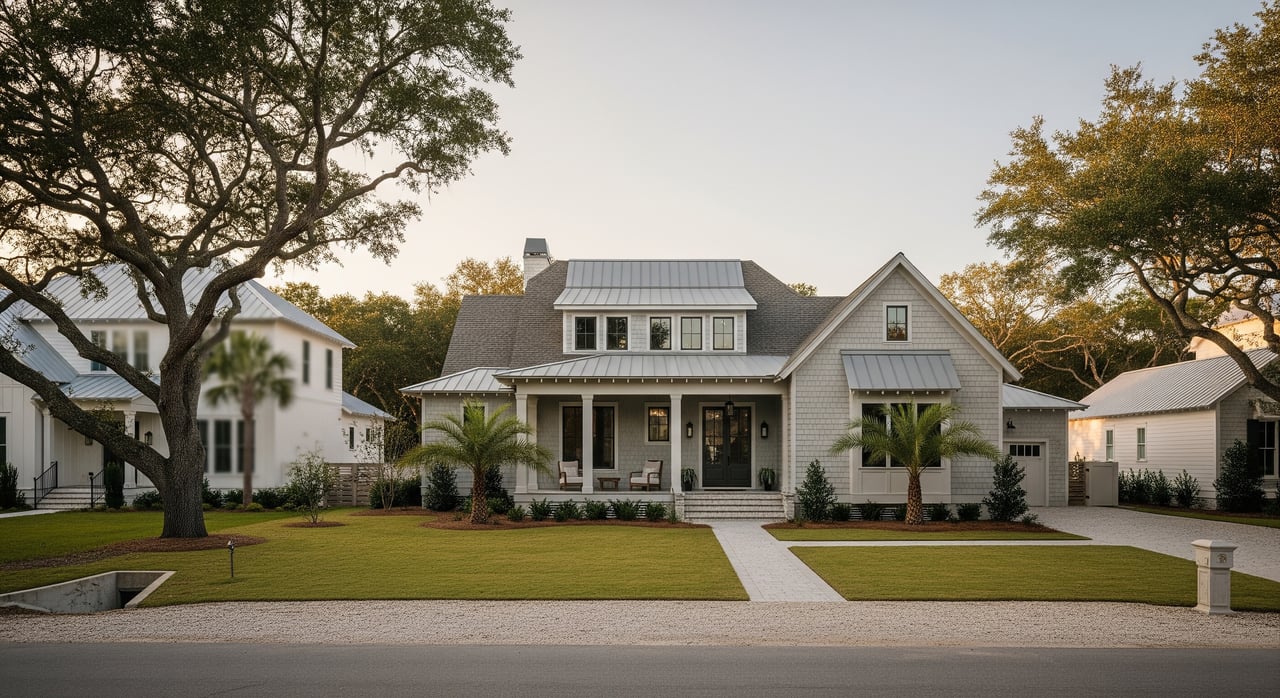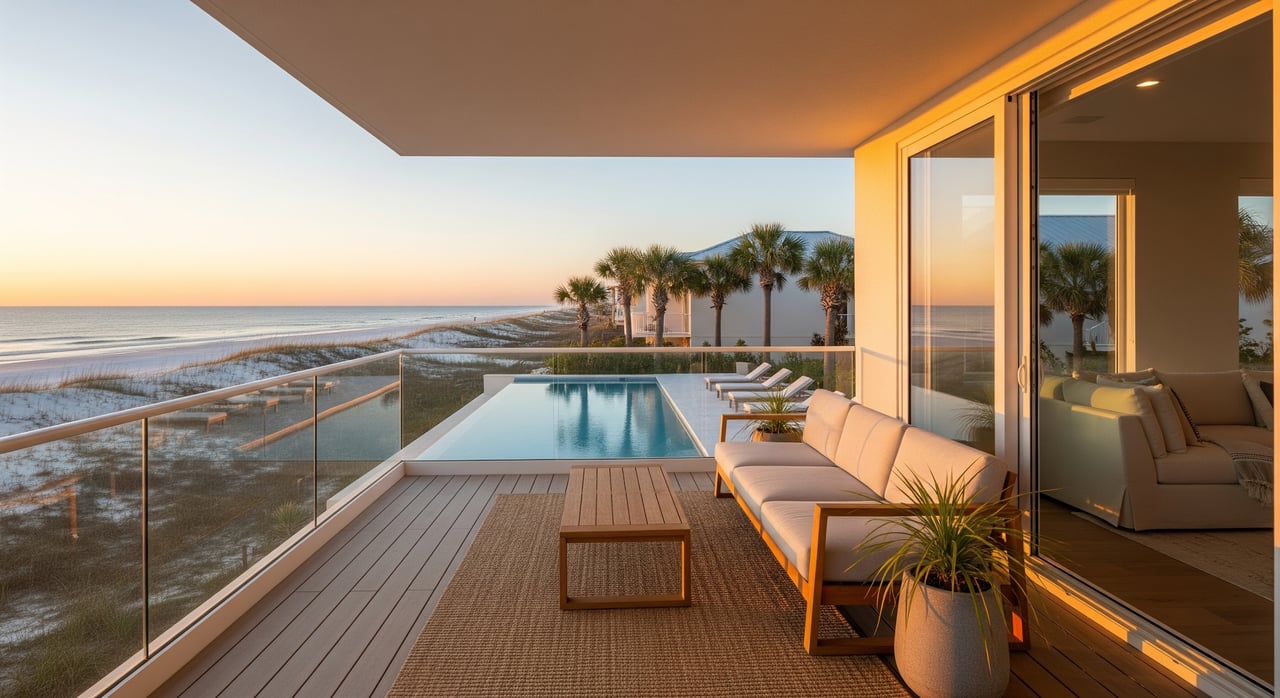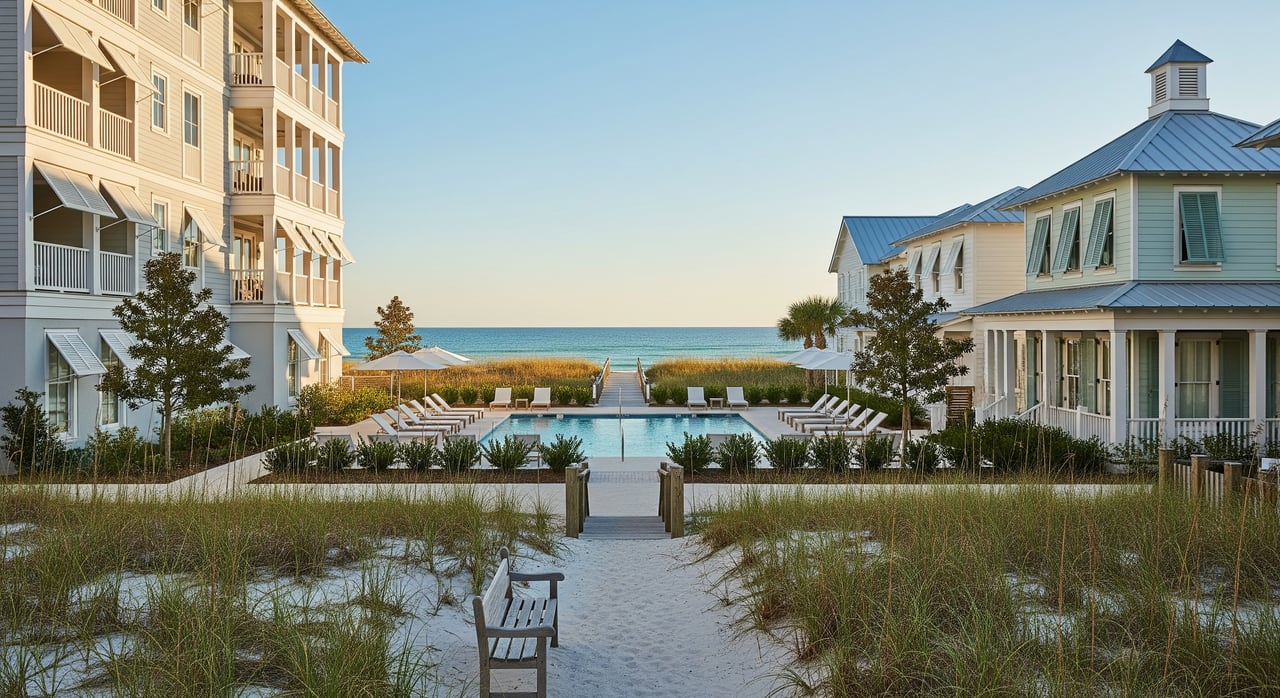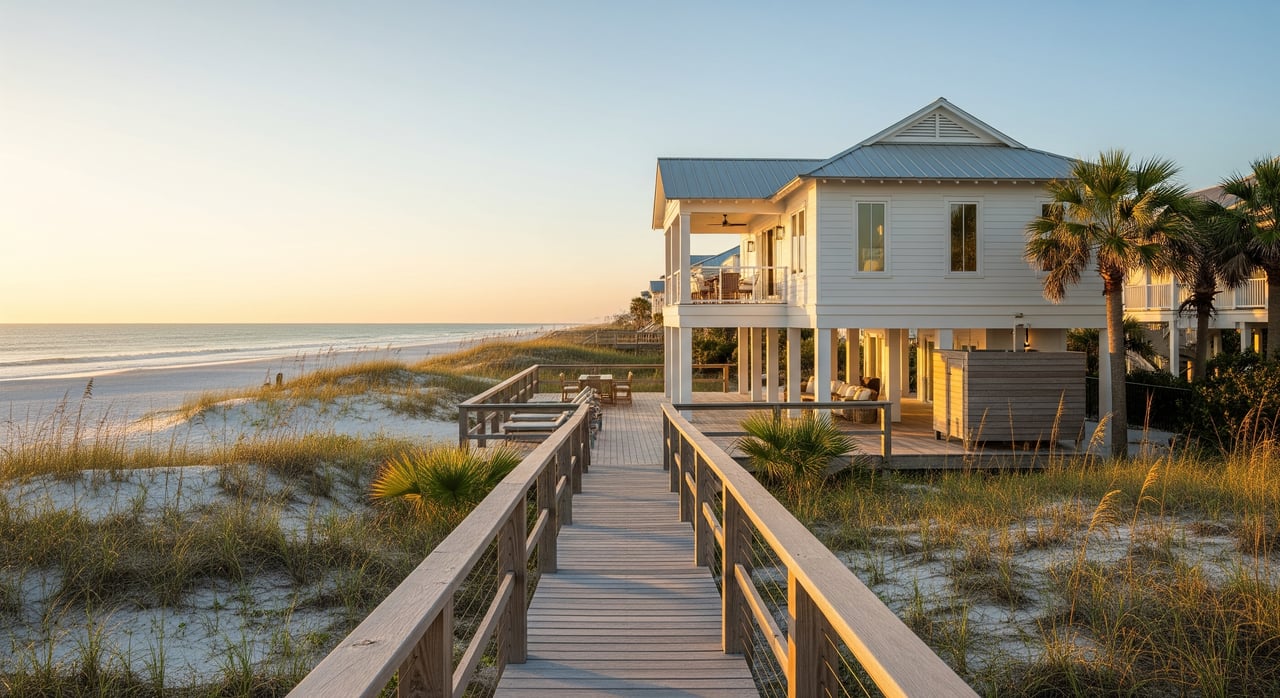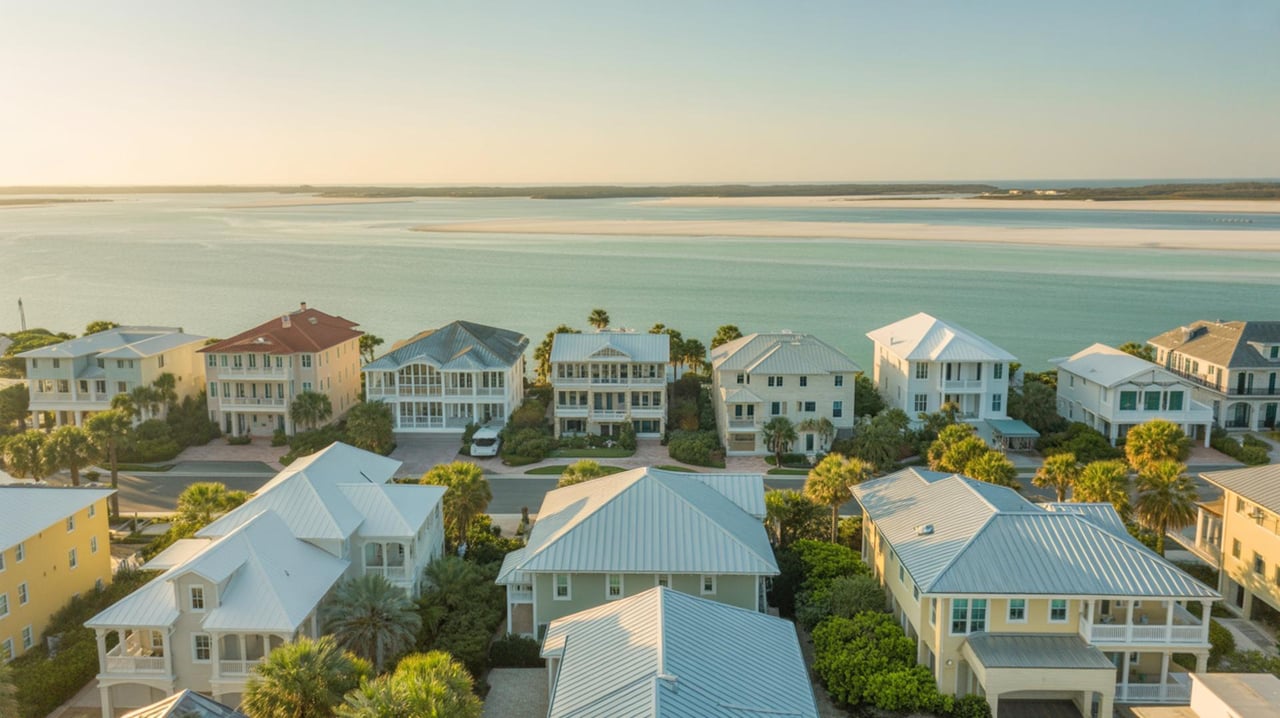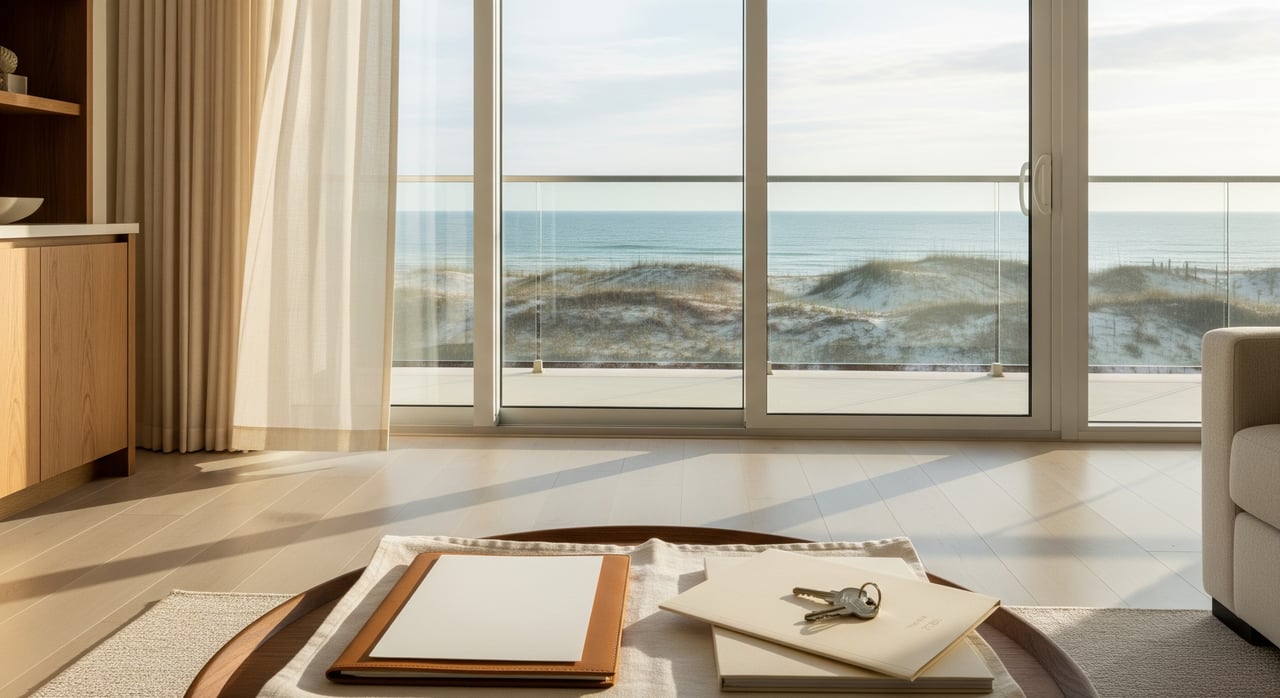
If you have been dreaming about a place on Navarre Beach, you are not alone. A second home here can give you easy access to the Gulf, flexible personal use, and in some cases part-time rental income. The key is planning for the costs, rules, and coastal risks before you buy so you can move forward with confidence. Let’s dive in.
Why Navarre Beach Stands Out
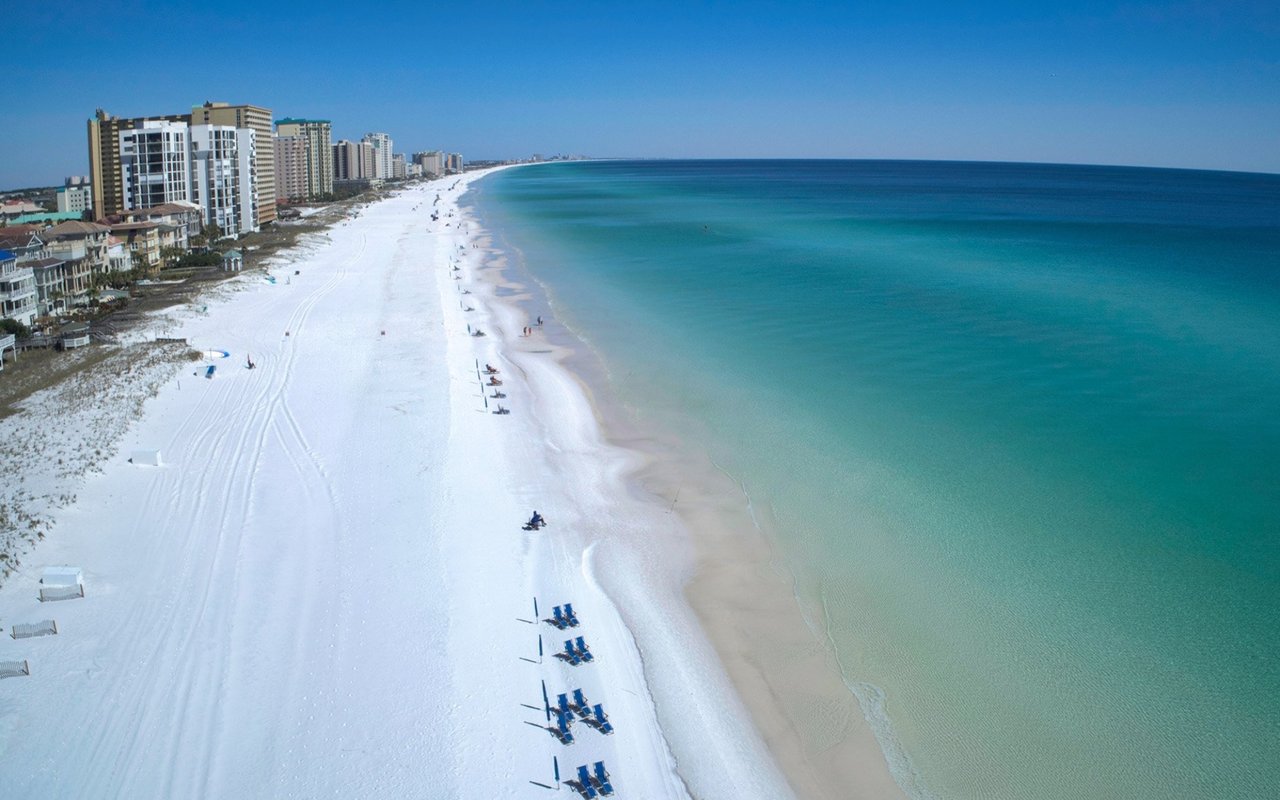
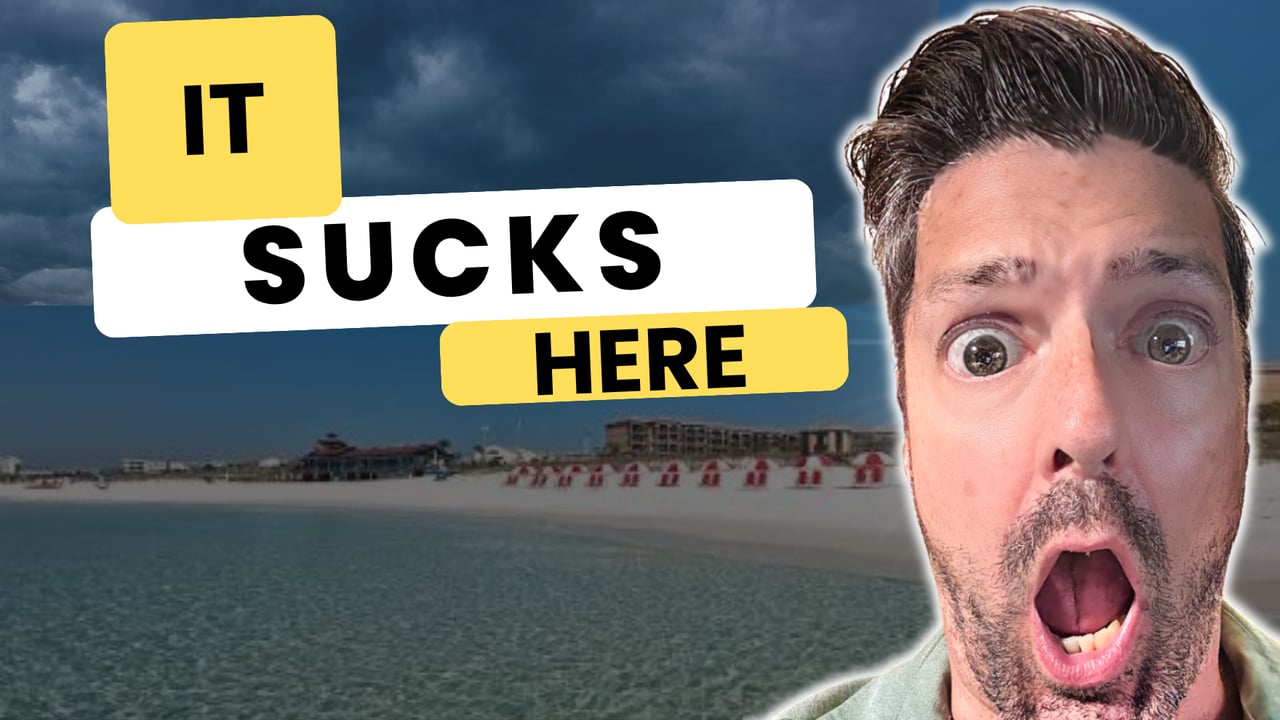
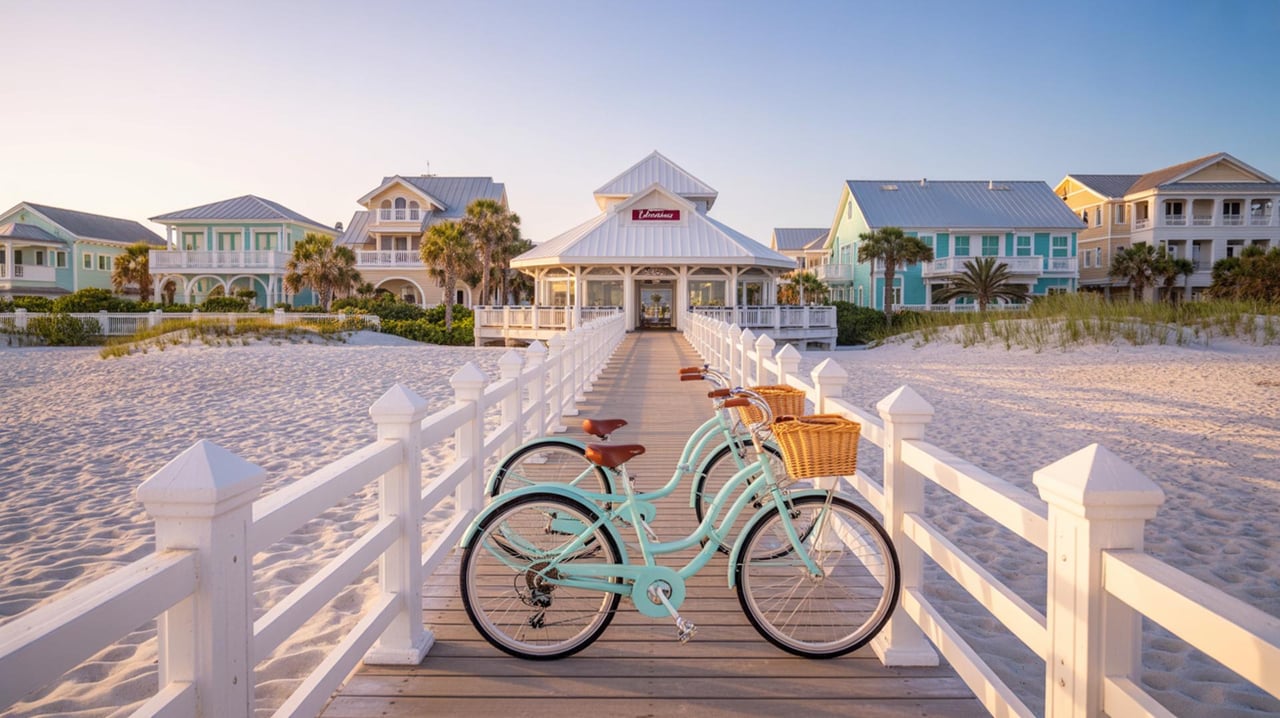
Navarre Beach is a four-mile barrier-island area on Santa Rosa Island, and that setting shapes both the lifestyle and the buying process. You get the appeal of a beach destination with public beach access, a county-managed pier, pavilion reservations, nearshore reef access, and live beach-condition tools provided by Santa Rosa County.
For many second-home buyers, that mix supports both personal enjoyment and guest appeal. The county-managed pier is 1,545 feet long, sits 30 feet above the water, and includes an outdoor restaurant plus a bait-and-tackle shop. If you are thinking about occasional rentals, those kinds of amenities can matter when you compare one location or property type to another.
Understand the Ownership Structure First
One of the most important things to know about Navarre Beach is that the land ownership framework is not the same as a typical mainland purchase. County planning documents state that development is constrained by parcel-specific and island-specific lease agreements because the land is owned by Escambia County and leased to Santa Rosa County.
That does not mean you should avoid buying here. It does mean you should confirm the exact legal interest, title details, and any lease language tied to the property before you assume it functions like a standard fee-simple mainland home. For an out-of-area buyer, this step is especially important.
This is where experienced local guidance can save you time and reduce surprises. A careful review early in the process helps you understand what you are buying, what rules may apply, and what questions to ask before you get too far down the road.
Choose the Right Property Type
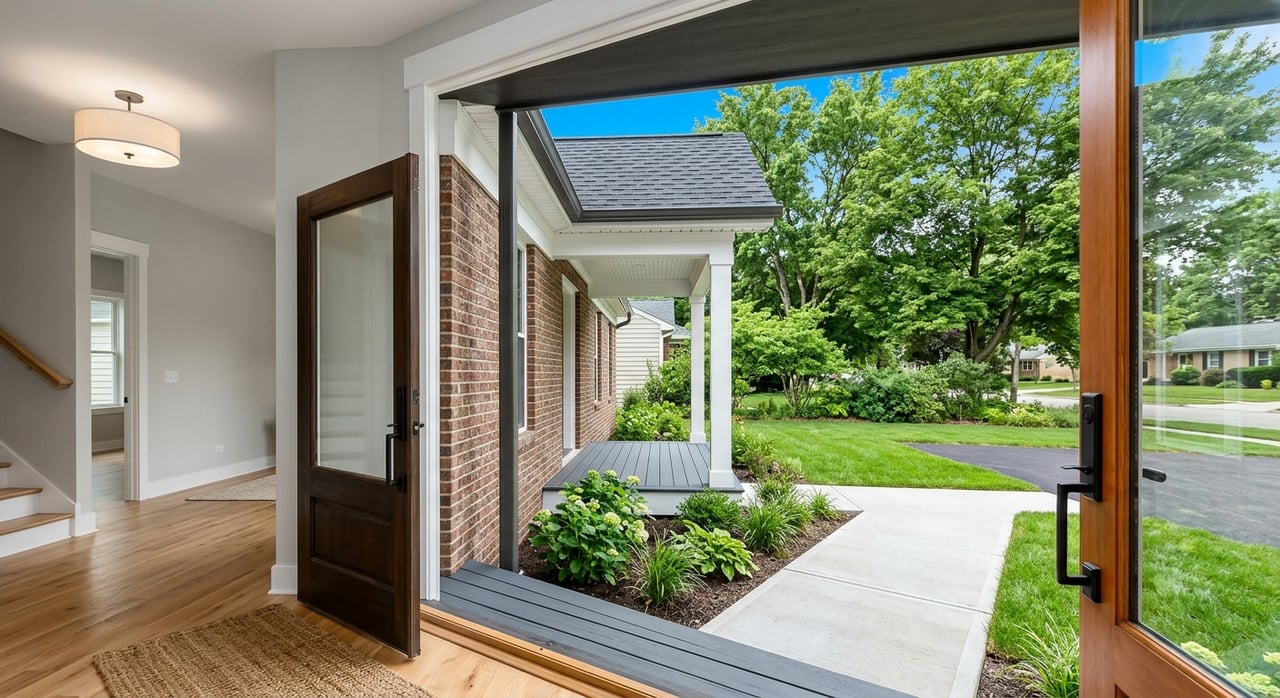
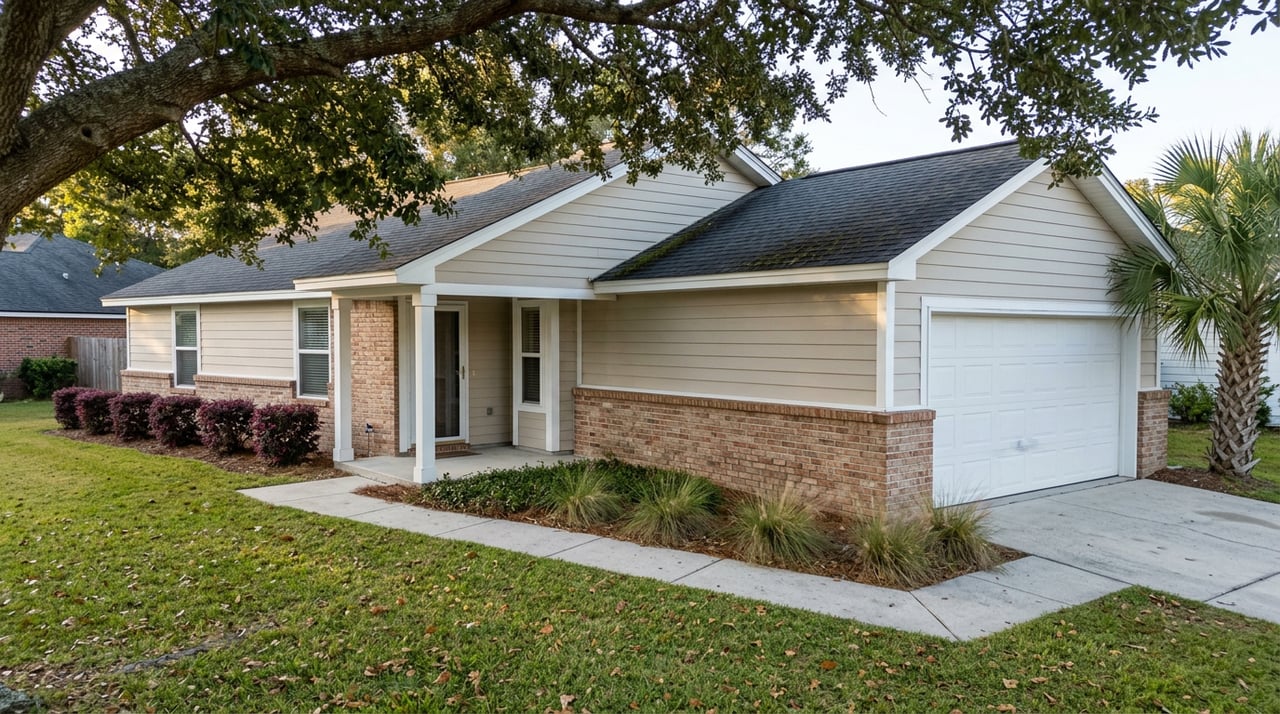
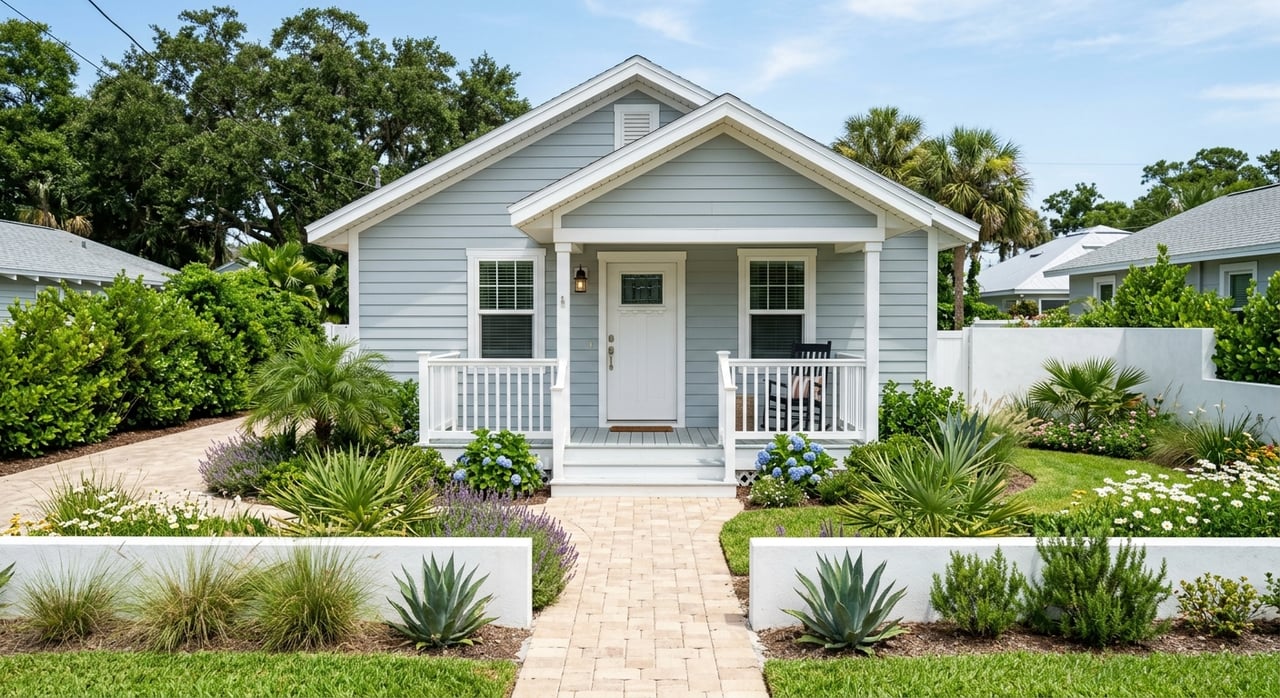
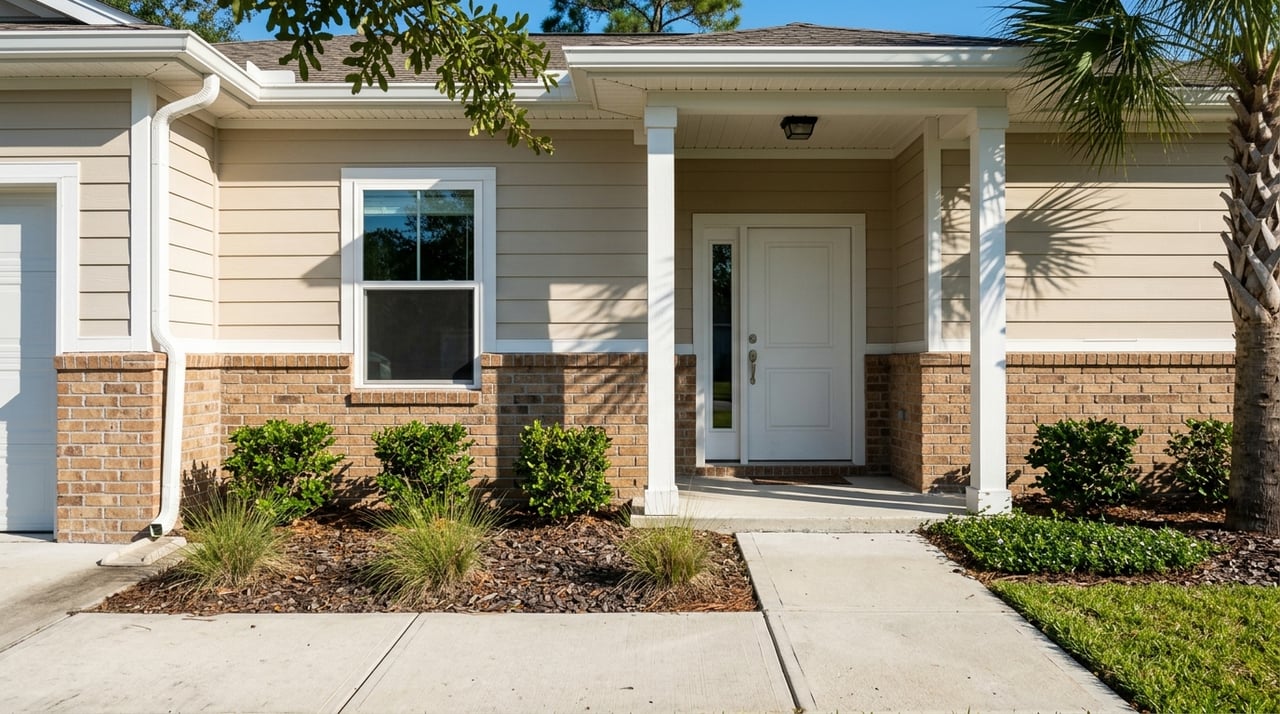
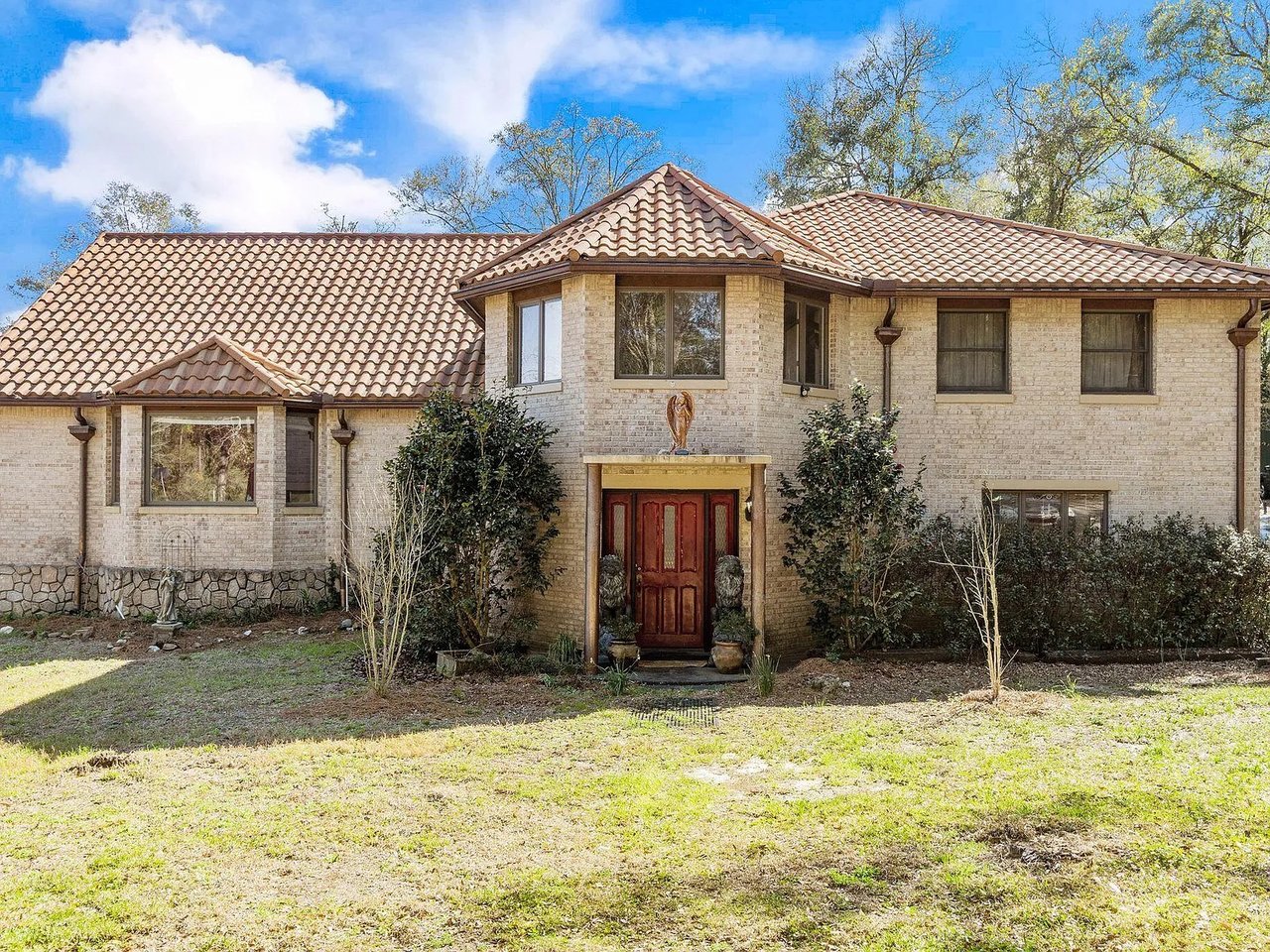
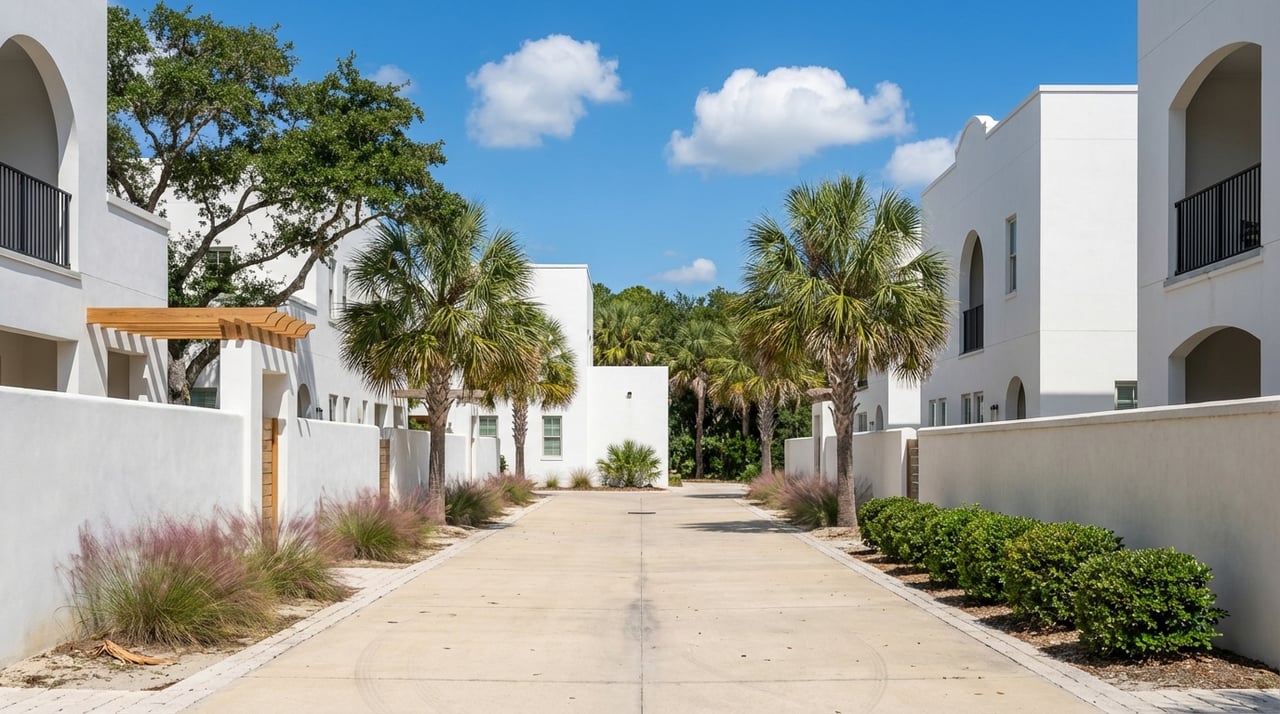
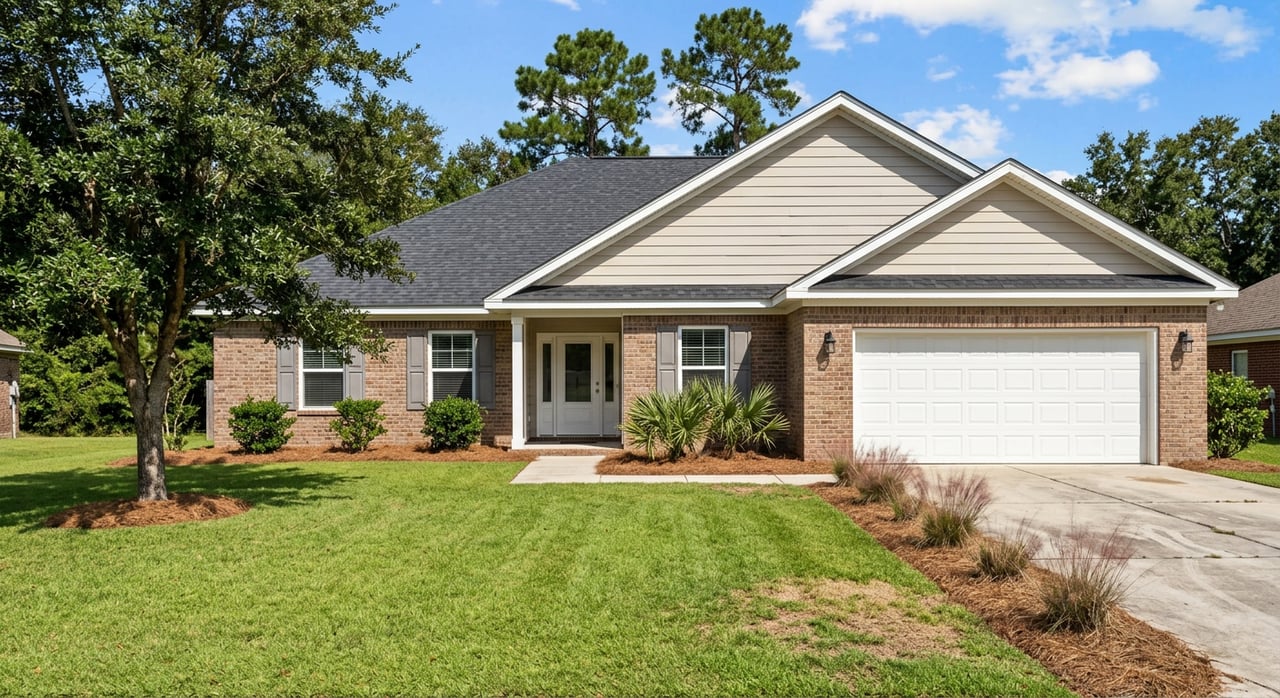
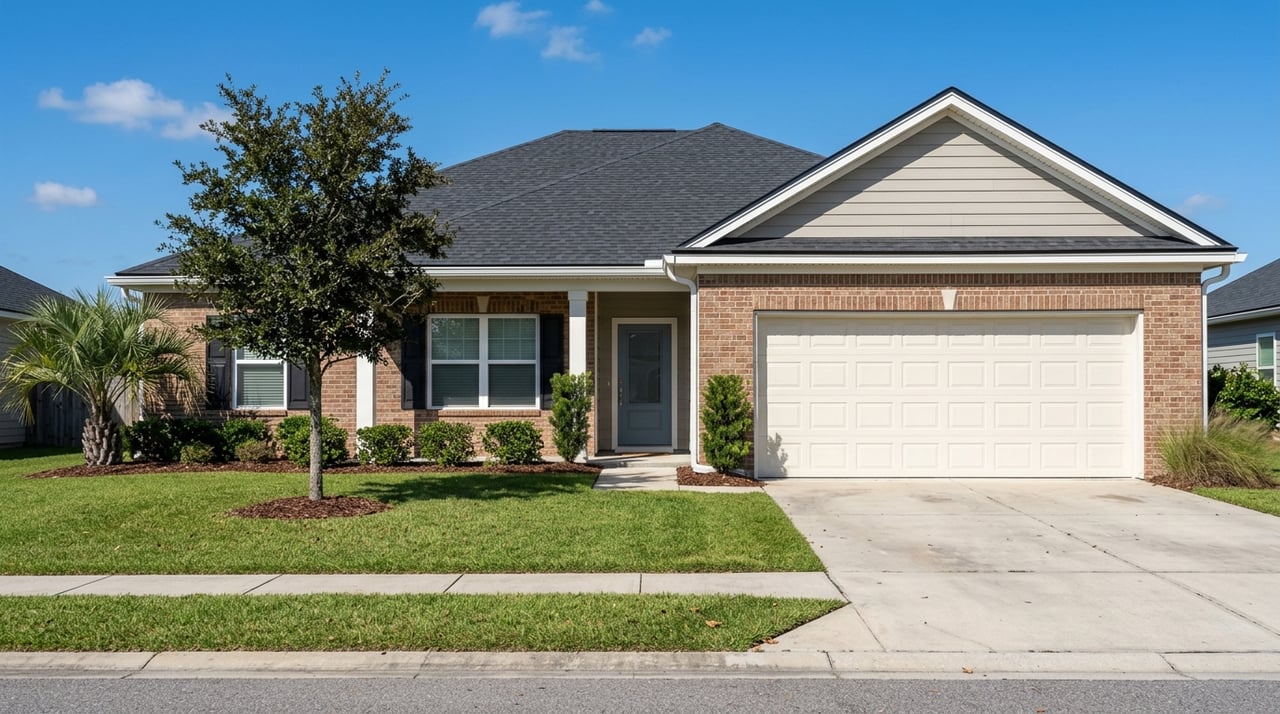
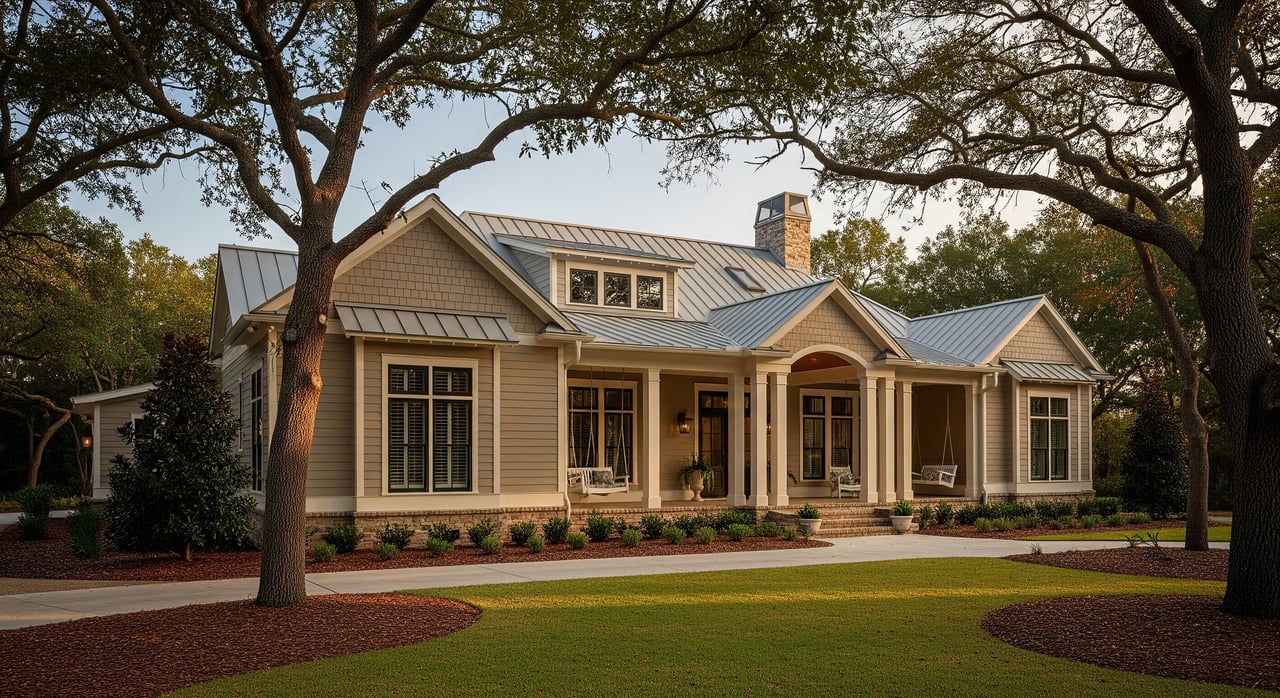
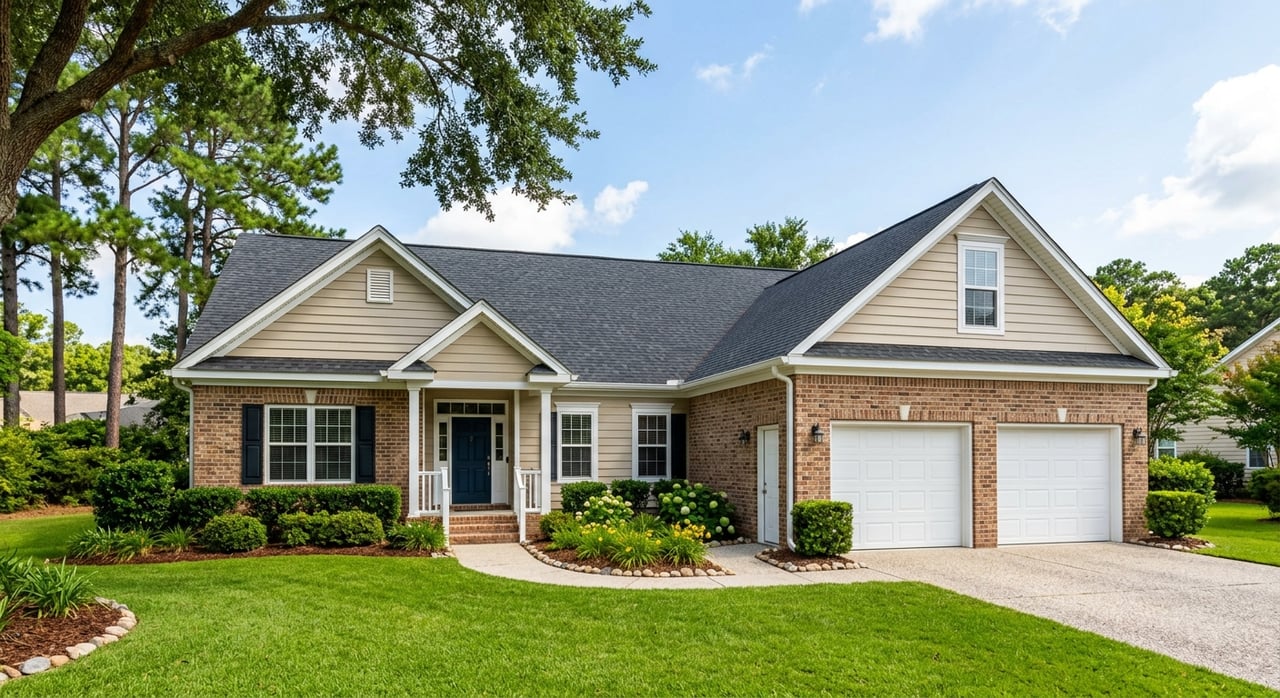
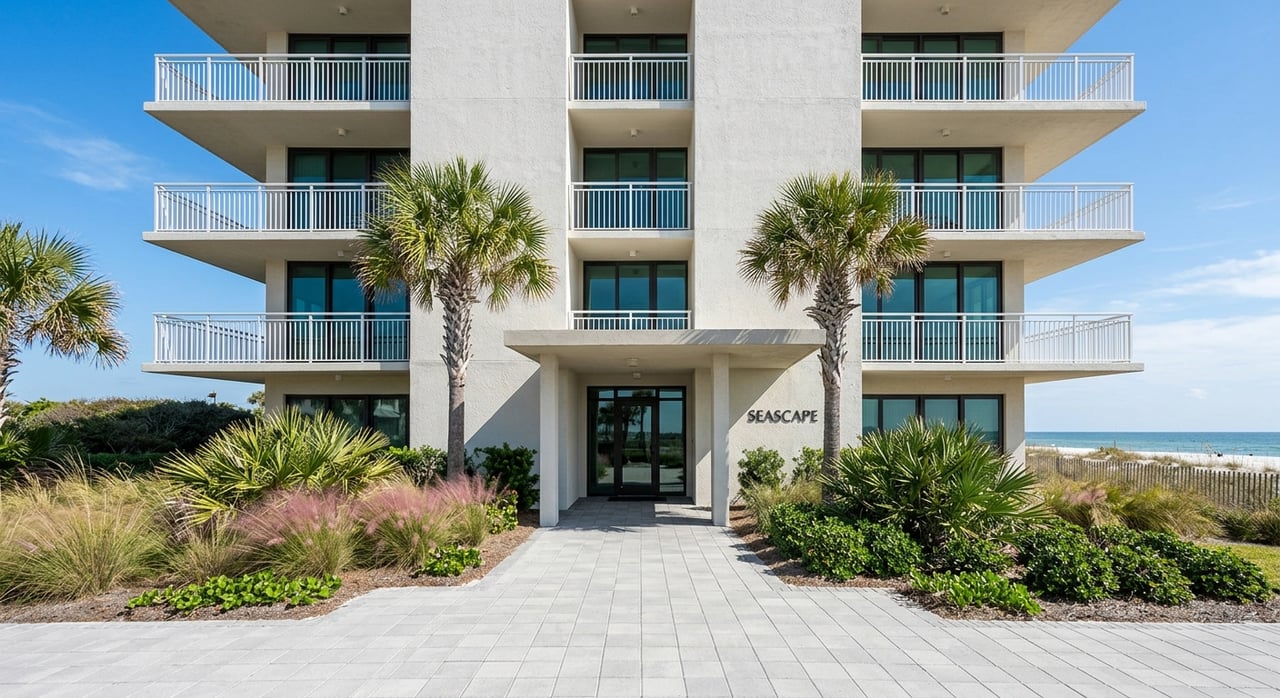
Navarre Beach offers more than one second-home path. Santa Rosa County land-use categories allow a range of residential forms in different areas, including single-family homes, townhomes, duplexes, triplexes, quadruplexes, and condominiums.
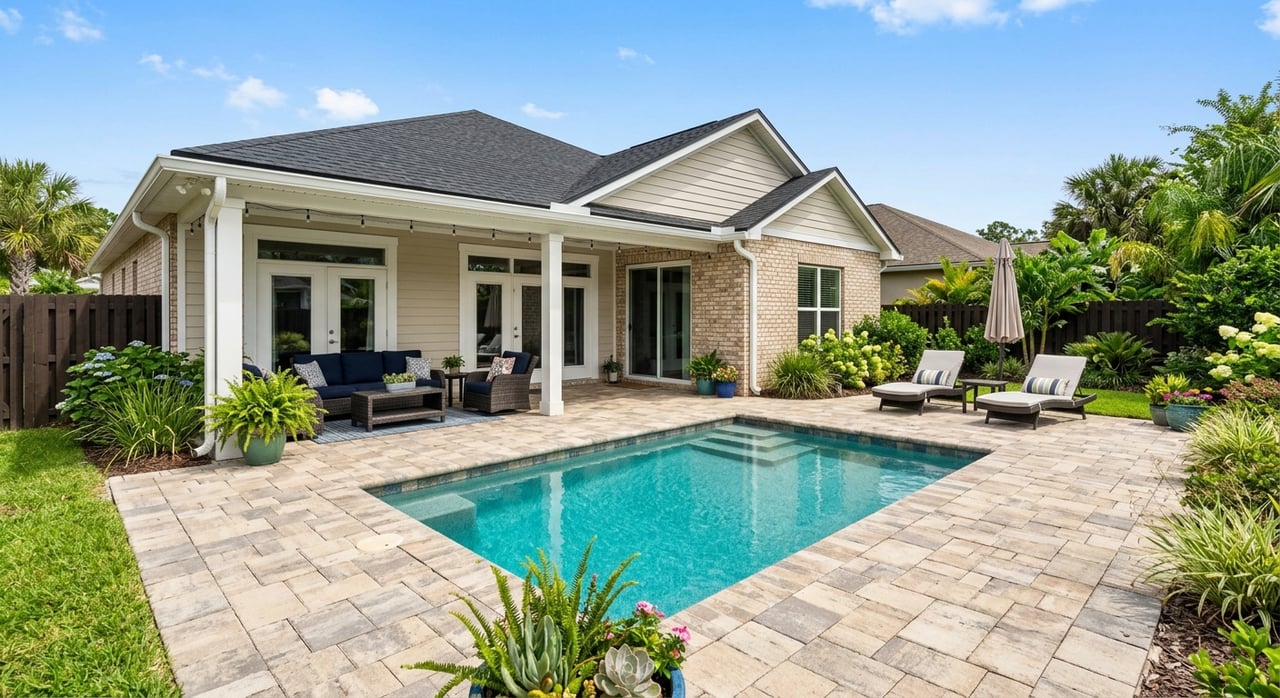
That gives you options depending on how you plan to use the property. If you want simplicity and lower day-to-day upkeep, a condo may fit your goals. If you want more privacy or more room for personal use, a single-family home or townhome may make more sense.
The right choice usually comes down to three questions:
- How often will you use the home yourself?
- Do you want a lower-maintenance setup?
- Are you considering part-time short-term rentals?
When you answer those honestly, your ideal property type usually becomes much clearer.
Budget for Full Carrying Costs
A second home on Navarre Beach involves more than the mortgage. To plan wisely, you need to look at the full carrying cost of ownership from the beginning.
Property Taxes
Santa Rosa County Property Appraiser data for 2025 shows a Navarre Beach total millage rate of 13.8663 mills. The appraiser’s formula is straightforward: assessed value minus exemptions equals taxable value, then taxable value times millage equals estimated taxes due.
For most second-home buyers, the big issue is homestead status. Santa Rosa County’s Property Appraiser states that properties not used as a primary residence are not eligible for homestead, so you should generally budget on the assumption that your second home will not receive that exemption.
You should also remember that some owners may pay MSBU amounts for items such as lighting, paving, canals, or sewage that do not appear on the millage chart. That is another reason to verify the property’s exact tax picture before closing.
Insurance and Flood Costs
On Navarre Beach, flood insurance should be treated as a core cost category. FEMA identifies the Flood Map Service Center as the official source for flood-hazard products, and Special Flood Hazard Areas are shown on Flood Insurance Rate Maps.
If a property is in a Special Flood Hazard Area and your mortgage is government-backed, flood insurance is required. Just as important, standard homeowners insurance typically does not cover flood damage. Before you buy, check the flood map by address and get realistic insurance estimates based on the specific property.
Utilities and Association Fees
Santa Rosa County says Navarre Beach is served by county-owned water and wastewater systems, and septic tanks are neither installed nor permitted on Navarre Beach. The county also publishes a utilities rate schedule with multiple billing classes, so you should confirm the property’s service class and meter setup before you finalize your budget.
If you are buying a condo or a home in an association, monthly dues can be another major line item. Condo or HOA fees are usually separate from the mortgage, which means they can materially change your monthly ownership cost.
Plan for Coastal Maintenance
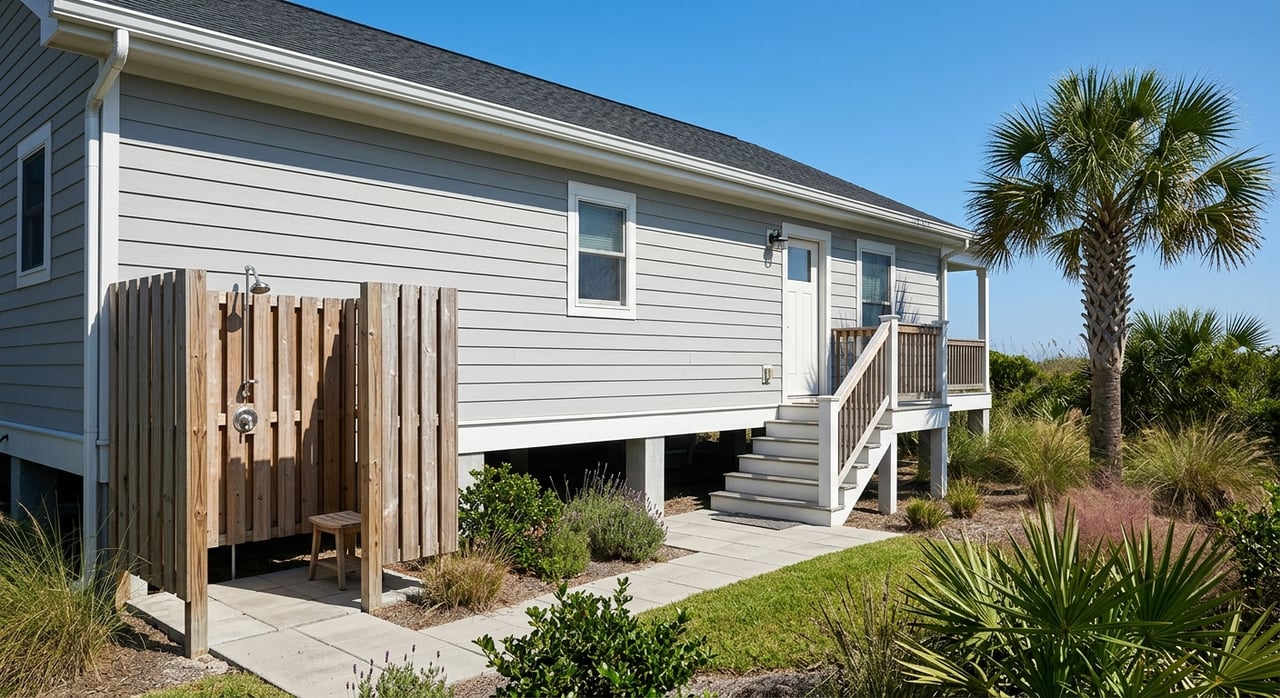
A second home at the beach comes with a maintenance profile that is different from an inland property. Salt air, storms, vacancy between visits, and weather-related wear can all affect your annual budget.
Santa Rosa County’s local mitigation strategy states that Santa Rosa Island at Navarre Beach has the greatest potential for coastal erosion on the county’s Gulf beaches. The county notes that erosion can happen slowly over time or rapidly during storms and hurricanes.
NOAA and the National Weather Service define hurricane season as June 1 through November 30. For you, that means building in room for storm prep, post-storm cleanup, and the possibility of short-term vacancy after a major weather event.
A realistic second-home budget should include:
- Routine maintenance and inspections
- Storm prep supplies or services
- Post-storm cleanup reserves
- Turnover or refresh costs between stays
- Extra cash for unexpected coastal repairs
If you treat these costs as part of ownership from day one, you are less likely to feel stretched later.
Know the Beach and Construction Rules
Buying a second home is not only about the property itself. It is also about understanding how the area operates day to day and what rules may affect your future plans.
Santa Rosa County’s beach rules prohibit glass, fires, pets on the beach, overnight parking, and camping. If you will use the home with guests or rent it part-time, these rules are worth sharing early so expectations stay clear.
If you are considering improvements, coastal permitting matters too. Santa Rosa County defines a shoreline protection zone, also called the Beach Preservation Zone, that runs from the mean high-water line to the primary dune system.
The county also requires zoning approval and a building permit before construction of boathouses, docks, dolphin poles, piers, retaining walls, or seawalls. If a property appeals to you because of future improvement potential, verify those possibilities before closing rather than assuming they will be simple later.
If You May Rent It Part-Time
Some second-home buyers plan to use the property personally and rent it for part of the year. That can be a valid strategy, but it only works well when you understand the tax and registration rules up front.
Santa Rosa County levies a 5% Tourist Development Tax on transient rentals. The county also requires owners to register short-term rental property with the Clerk of Courts and remit the tax monthly.
The county states that this tax applies to gross rental revenue, including separately stated deposits, cleaning fees, or prepayments. In other words, when you estimate income, make sure you are looking at gross and net numbers separately.
At the state level, Florida charges 6% sales tax on rentals, and Santa Rosa County has a 1% discretionary surtax. On a short-term rental, that state tax stack can sit on top of the county’s separate 5% Tourist Development Tax.
One more planning point matters here. Santa Rosa County states that Airbnb and VRBO do not currently remit Tourist Development Tax on behalf of hosts. You should not assume a booking platform will handle every local tax filing or payment requirement for you.
A Smart Due-Diligence Checklist
Before you make an offer on a Navarre Beach second home, it helps to work through a simple checklist. This keeps your decision grounded in facts, not just emotion.
Here is a practical starting point:
- Confirm the exact title and lease structure
- Check the FEMA flood map by address
- Verify whether the property is in an HOA or condo regime
- Estimate taxes without homestead exemption
- Get insurance quotes, including flood coverage if needed
- Confirm utility class, service setup, and possible fees
- Review beach rules that may affect your use or guest use
- Budget for hurricanes, erosion risk, and coastal maintenance
- If renting part-time, confirm registration and tax obligations
This kind of due diligence gives you a clearer picture of the true cost of ownership. It also helps you compare properties more accurately when one listing looks cheaper on the surface but carries higher ongoing costs.
How to Buy With Confidence
The best second-home purchases usually come from good planning, not fast decisions. On Navarre Beach, that means balancing the lifestyle appeal with the realities of taxes, insurance, utilities, ownership structure, and coastal risk.
If you approach the process with clear numbers and a local strategy, you can buy with much more confidence. You will know what the home is likely to cost, what rules may apply, and whether it fits your personal use or rental goals.
That is the kind of preparation that helps you enjoy your second home instead of feeling surprised by it. If you are thinking about a coastal purchase and want steady local guidance from search to closing, connect with Chris Schultz for a conversation about your goals on Navarre Beach.
FAQs
What makes Navarre Beach different from a typical second-home market?
- Navarre Beach is a barrier-island area on Santa Rosa Island, and county documents say parcel-specific and island-specific lease agreements can affect ownership, so title and legal-interest review are especially important.
What property types can you buy on Navarre Beach?
- Santa Rosa County land-use categories include options such as single-family homes, townhomes, duplexes, triplexes, quadruplexes, and condominiums in various areas of Navarre Beach.
Do second homes on Navarre Beach qualify for homestead exemption?
- In most cases, no. Santa Rosa County’s Property Appraiser states that properties not used as a primary residence are not eligible for homestead, so second-home buyers should usually budget for full ad valorem taxes.
Why is flood insurance important for Navarre Beach buyers?
- FEMA identifies flood maps as the official source for flood-hazard information, and standard homeowners insurance typically does not cover flood damage, so flood exposure should be reviewed by address before you buy.
Are septic systems allowed on Navarre Beach properties?
- No. Santa Rosa County says Navarre Beach is served by county-owned water and wastewater systems, and septic tanks are neither installed nor permitted on Navarre Beach.
What taxes apply if you rent out a Navarre Beach second home short-term?
- Santa Rosa County applies a 5% Tourist Development Tax to transient rentals, and Florida also charges 6% state sales tax plus Santa Rosa County’s 1% discretionary surtax on rentals.
Do Airbnb or VRBO handle Navarre Beach tourist tax payments for owners?
- Santa Rosa County states that Airbnb and VRBO do not currently remit Tourist Development Tax on behalf of hosts, so owners should not assume those platforms handle every local filing or payment.
What should you check before buying a second home on Navarre Beach?
- Start with the title or lease structure, flood-map status, tax estimates, insurance costs, HOA or condo rules, utility setup, and reserves for hurricane and erosion-related maintenance.